




Drug Possession Laws New York
Thanks for visiting Federal Lawyers – managed by our lead attorney, a second-generation law firm with over 40 years of combined experience defending drug cases in New York. Drug possession in New York operates on a graduated scale under Penal Law Article 220, where weight determines everything. Possess 500 milligrams of a controlled substance, that’s seventh degree – Class A misdemeanor, up to 364 days. Possess eight ounces, that’s first degree – Class A-I felony, 15-25 years minimum, same as murder. The difference between facing a year or facing decades has nothing to do with whether you’re a user, a dealer, or someone who made one catastrophically bad decision. It’s just weight.
Prosecutors don’t stop at weight – they infer intent to sell from circumstantial evidence. You had your drugs in multiple baggies? Intent to distribute. You had $400 cash and a scale? Dealer. You had more than what prosecutors claim is “personal use”? Must be selling. These inferences transform simple possession into possession with intent to sell, which means 10+ years of additional prison exposure for the same drugs. At Federal Lawyers – we challenge these inferences because the line between being called a user versus a dealer is often arbitrary, and it can mean everything.
Half a Gram Separates Misdemeanor From Felony
Seventh degree possession: any amount of a controlled substance. Class A misdemeanor, up to 364 days. This is simple possession – you had drugs for personal use, small quantity, no evidence of dealing. First offense often gets diverted to treatment programs if you have no record.
Need Help With Your Case?
Don't face criminal charges alone. Our experienced defense attorneys are ready to fight for your rights and freedom.
- 100% Confidential
- Response Within 1 Hour
- No Obligation Consultation
Or call us directly:
(212) 300-5196Fifth degree: possession with intent to sell, or possessing 500 milligrams or more. Class D felony, up to 7 years. Notice the jump – from 364 days to 7 years based solely on crossing the 500 milligram threshold. Half a gram separates misdemeanor from felony. Someone caught with personal-use quantities they bought in bulk to save money now faces the same charge as someone actively dealing.
First degree: possessing eight ounces or more of a narcotic with intent to sell. Class A-I felony, 15-25 years minimum. Same classification as intentional murder. You’re a low-level dealer who bought a large quantity to distribute at street level – you face the same mandatory minimum as someone who committed premeditated homicide.
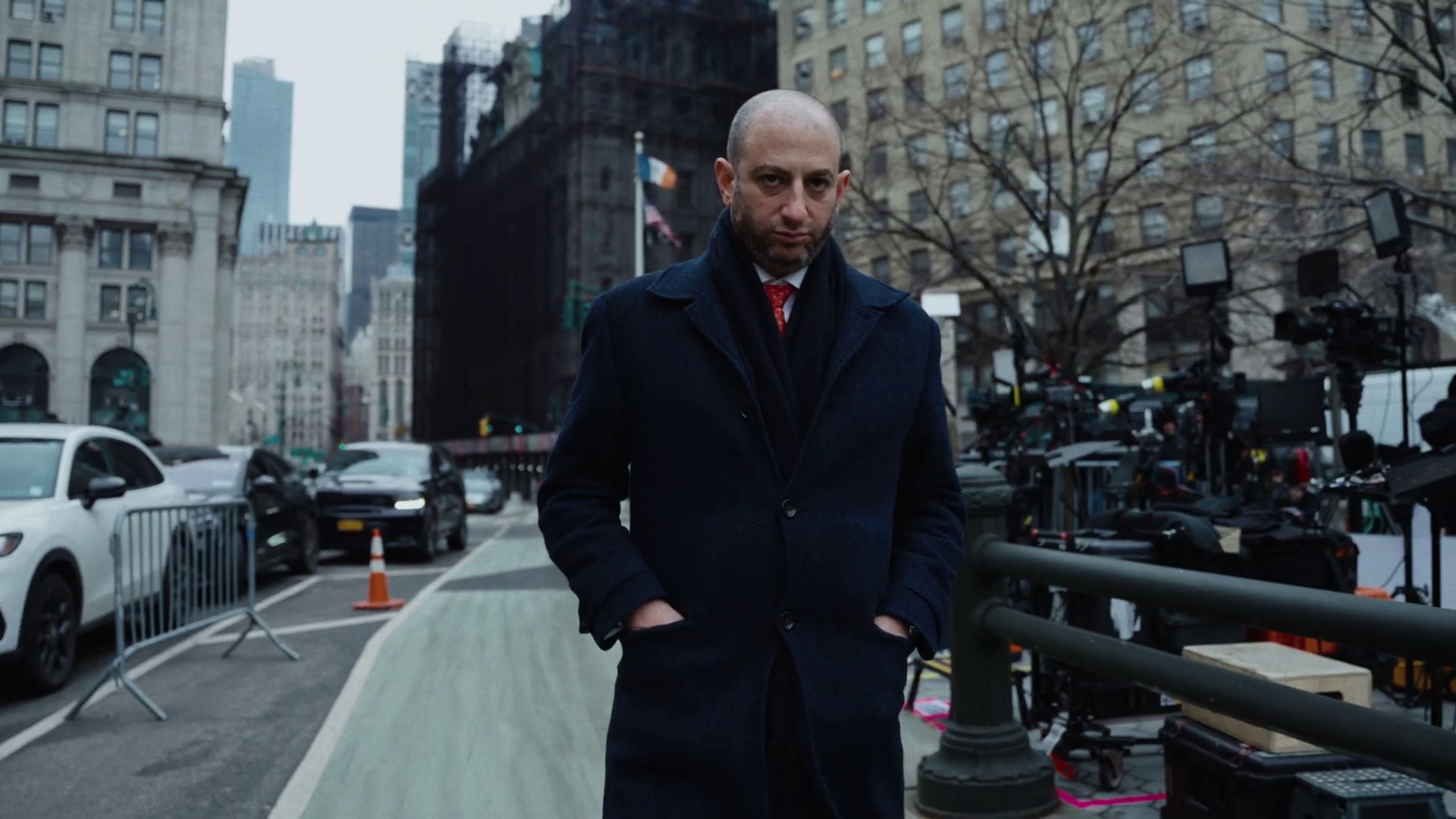
Todd Spodek
Lead Attorney & Founder
Featured on Netflix's "Inventing Anna," Todd Spodek brings decades of high-stakes criminal defense experience. His aggressive approach has secured dismissals and acquittals in cases others deemed unwinnable.
Federal agents execute a search warrant at your medical practice, seizing patient records and prescription logs.
Can they take patient records without patient consent?
A valid federal search warrant overrides HIPAA privacy protections. However, the warrant must be properly scoped. An attorney can challenge overly broad warrants and move to suppress improperly seized evidence.
This is general information only. Contact us for advice specific to your situation.
How Prosecutors “Prove” You’re a Dealer
Simple possession becomes possession with intent to sell when prosecutors can show you planned to distribute rather than use the drugs personally. They prove intent circumstantially. Drugs divided into multiple small baggies suggests individual sales packages rather than personal use. Scales, cutting agents, packaging materials indicate preparation for distribution. Large amounts of small bills suggest drug sale proceeds. Text messages about “meeting up” or “you got that” get interpreted as drug transaction arrangements. And quantity – any amount exceeding what prosecutors claim is reasonable personal use.