




DEA Drug Diversion Lawyers
The upswing in opioid abuse has also led to an increase in criminal cases involving prescription medications. New laws and government oversight have far-reaching implications for patients who legitimately need treatment for severe or chronic pain and their doctors. It also means closer scrutiny of those suspected of illegal drug diversion.
Understanding Drug Diversion
Put simply, drug diversion is the illegal use, trading, or sale of prescription medications. Any misuse of a prescription or prescribed medicine could be considered drug diversion. That includes abusing your own medications or giving them to someone else. This is a serious crime, and any charge of drug diversion means that you need a lawyer who’s experienced in this area of law.
Types of Drug Diversion
The various types of drug diversion include:
- Doctor shopping: This is the practice of going from doctor to doctor in an attempt to get multiple prescriptions under false pretenses. The DEA follows such individuals closely.
- Selling prescription drugs: When you sell your prescriptions or medication, even if they’re legally prescribed to you, you’re engaging in illicit drug trafficking.
- Online pharmaceutical sales: This has become a booming industry, especially from countries that have fewer restrictions over controlled substances. Individuals set up rogue pharmacies online in order to sell medications that are tightly regulated in the United States to patients without a legal prescription. They originate across borders to avoid state and federal regulations.
- Drug theft: Stealing a controlled substance from a manufacturing plant, robbing a pharmacy or medical facility, or stealing them from a legal prescription holder.
- Prescription fraud: This can involve anything from using someone else’s prescription to stealing prescription pads from a doctor’s office or clinic and forging a prescription.
- Illicit prescribing: Part of DEA oversight includes monitoring doctors who prescribe medically unnecessary medications or who write an unusually large number of prescriptions for commonly abused medications. Such medical practitioners are suspected of running an illegal ‘pill mill’.
DEA Red Flag Investigations
Due to the sheer number of potential sources for drug diversion, the Drug Enforcement Agency (DEA) has developed a warning system to alert them to possible abuses. Rather than relying on informants, the DEA uses what are called ‘red flag’ indicators to identify doctors, nurses, pharmacists and others along the supply chain for further scrutiny.
Doctors may be unaware of DEA scrutiny or the fact that some of their practices are considered red flag indicators until their practice is raided. A drug diversion lawyer from Federal Lawyers can audit your practice for indicators and devise changes to help you meet compliance. Here are some things that could draw attention to your office.
Need Help With Your Case?
Don't face criminal charges alone. Our experienced defense attorneys are ready to fight for your rights and freedom.
- 100% Confidential
- Response Within 1 Hour
- No Obligation Consultation
Or call us directly:
(212) 300-5196Examples of Red Flag Indicators
Implications for Drug Manufacturers, Medical Practitioners, and Pharmacists
All doctors and pharmacists have a duty to report any suspicious behavior from staff or patients. Under the Affordable Care Act, practices suspected of engaging in drug diversion could have Medicaid reimbursement suspended. They may also be terminated from participation in Medicaid or Medicare. Anyone found guilty of drug diversion faces fines, restitution, imprisonment, and loss of their medical or pharmaceutical license. You’re also legally required to report suspected drug diversion, thefts, break-ins, or missing medications to the DEA.
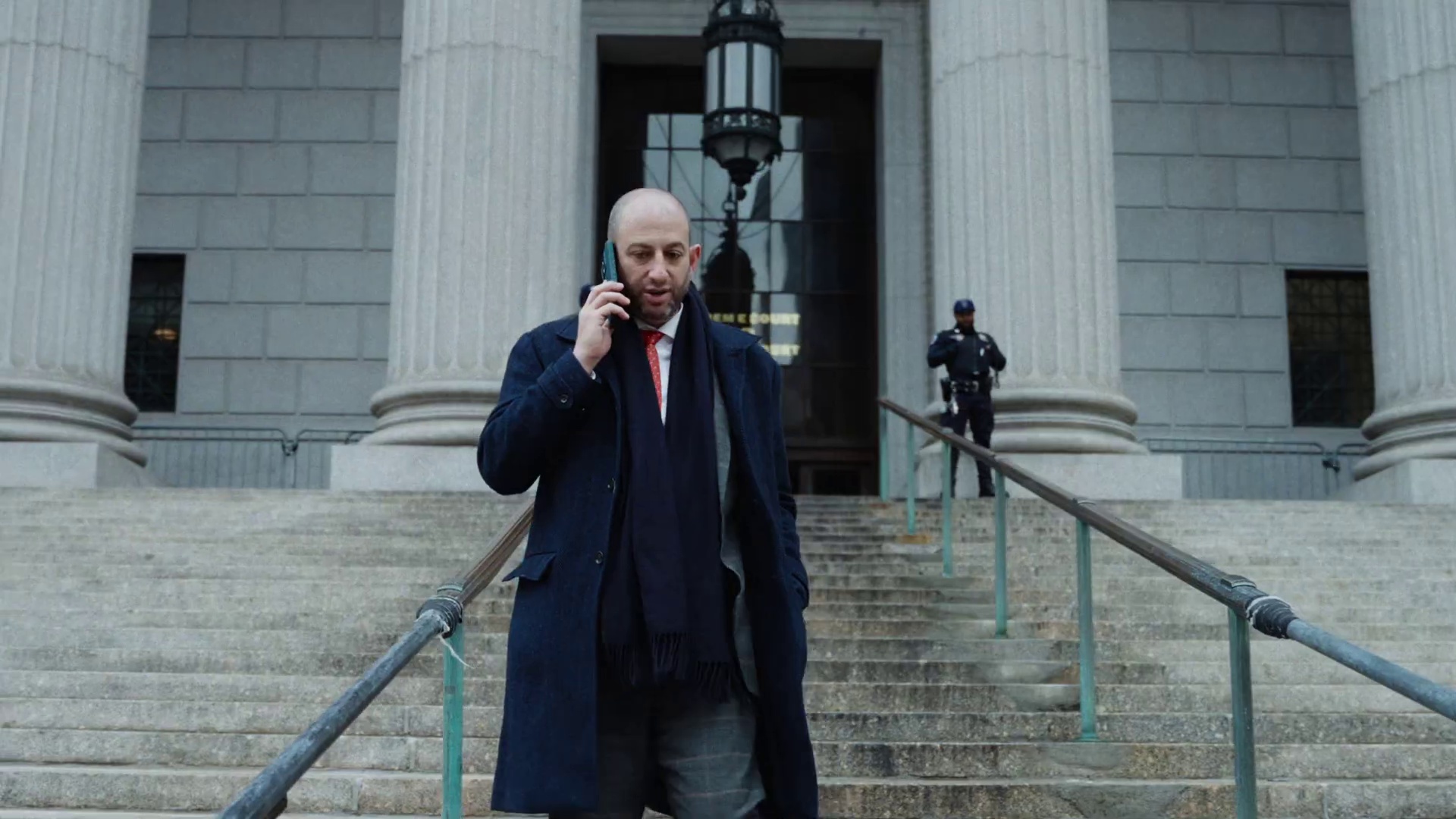
Todd Spodek
Lead Attorney & Founder
Featured on Netflix's "Inventing Anna," Todd Spodek brings decades of high-stakes criminal defense experience. His aggressive approach has secured dismissals and acquittals in cases others deemed unwinnable.
DEA Diversion Lawyers in New York
If you’ve been charged with a drug diversion crime in New York, contact the Federal Lawyers right away. Just like family, we’ll be there for you no matter what. You’ll receive a free initial consultation about your case, and we’re available 24/7.

Federal agents execute a search warrant at your medical practice, seizing patient records and prescription logs.
Can they take patient records without patient consent?
A valid federal search warrant overrides HIPAA privacy protections. However, the warrant must be properly scoped. An attorney can challenge overly broad warrants and move to suppress improperly seized evidence.
This is general information only. Contact us for advice specific to your situation.
{
“@context”: “https://schema.org”,
“@type”: “FAQPage”,
“mainEntity”: [{
“@type”: “Question”,
“name”: “What is Drug Diversion?”,
“acceptedAnswer”: {
“@type”: “Answer”,
“text”: “Drug diversion is the illegal use, trading, or sale of prescription medications. Any misuse of a prescription or prescribed medicine could be considered drug diversion. That includes abusing your own medications or giving them to someone else.”
}
}, {
“@type”: “Question”,
“name”: “What types of drug diversion exist?”,
“acceptedAnswer”: {
“@type”: “Answer”,
“text”: “The various types of drug diversion include doctor shopping, selling prescription drugs, online pharmaceutical sales, drug theft, prescription fraud, and illicit prescribing.”
}
}, {
“@type”: “Question”,
“name”: “What is DEA Red Flag Investigations?”,
“acceptedAnswer”: {
“@type”: “Answer”,
“text”: “Due to the sheer number of potential sources for drug diversion, the Drug Enforcement Agency (DEA) has developed a warning system to alert them to possible abuses. Rather than relying on informants, the DEA uses what are called ‘red flag’ indicators to identify doctors, nurses, pharmacists and others along the supply chain for further scrutiny.”
}
}]
}