NY Penal Law § 145.23: Cemetery Desecration in the First Degree
Cemetery desecration is a crime that can entail stealing from or vandalizing a cemetery plot, grave, tomb, mausoleum, burial place or other place of interment of human remains. Some common activities associated with the crime of cemetery desecration include damaging headstoness by knocking them over, spray painting or marking headstoness with graffiti in some other manner, stealing headstoness, damaging flowers, vases and other personal items left on a grave, and fully or partially digging up remains. You could be prosecuted for cemetery desecration in the first degree under New York Penal Law § 145.23 if you:
- Cause damages in to the real or personal property that is maintained as a place of interment of human remains in a value that exceeds $250,
- Intentionally steal personal property worth in excess of $250 that is situated at a place of interment of human remains and that is owned by the person or organization that maintains the place of human interment or is owned by the estate of the deceased individual interred there, or
- Commit cemetery desecration in the second degree again, after you have been previously convicted of the same crime.
For Example
As a joke, Frank, Farouk, and Forest went to a nearby cemetery and pushed 5 headstoness over. They then decided to have a contest to see which one of them could toss each of the headstoness the furthest. As a result, each of the 5 headstoness sustained severe damage. Frank, Farouk, and Forest could all be charged with cemetery desecration in the first degree, because the damage they caused likely exceeds a value of $250.
Offenses that are Related
Cemetery Desecration in the Second Degree: New York Penal Law § 145.22
Trespass: New York Penal Law § 140.05
Criminal mischief in the third degree: New York Penal Law § 145.05
Need Help With Your Case?
Don't face criminal charges alone. Our experienced defense attorneys are ready to fight for your rights and freedom.
- 100% Confidential
- Response Within 1 Hour
- No Obligation Consultation
Or call us directly:
(212) 300-5196Criminal mischief in the second degree: New York Penal Law § 145.10
Criminal mischief in the first degree: New York Penal Law § 145.12
Possible Defenses
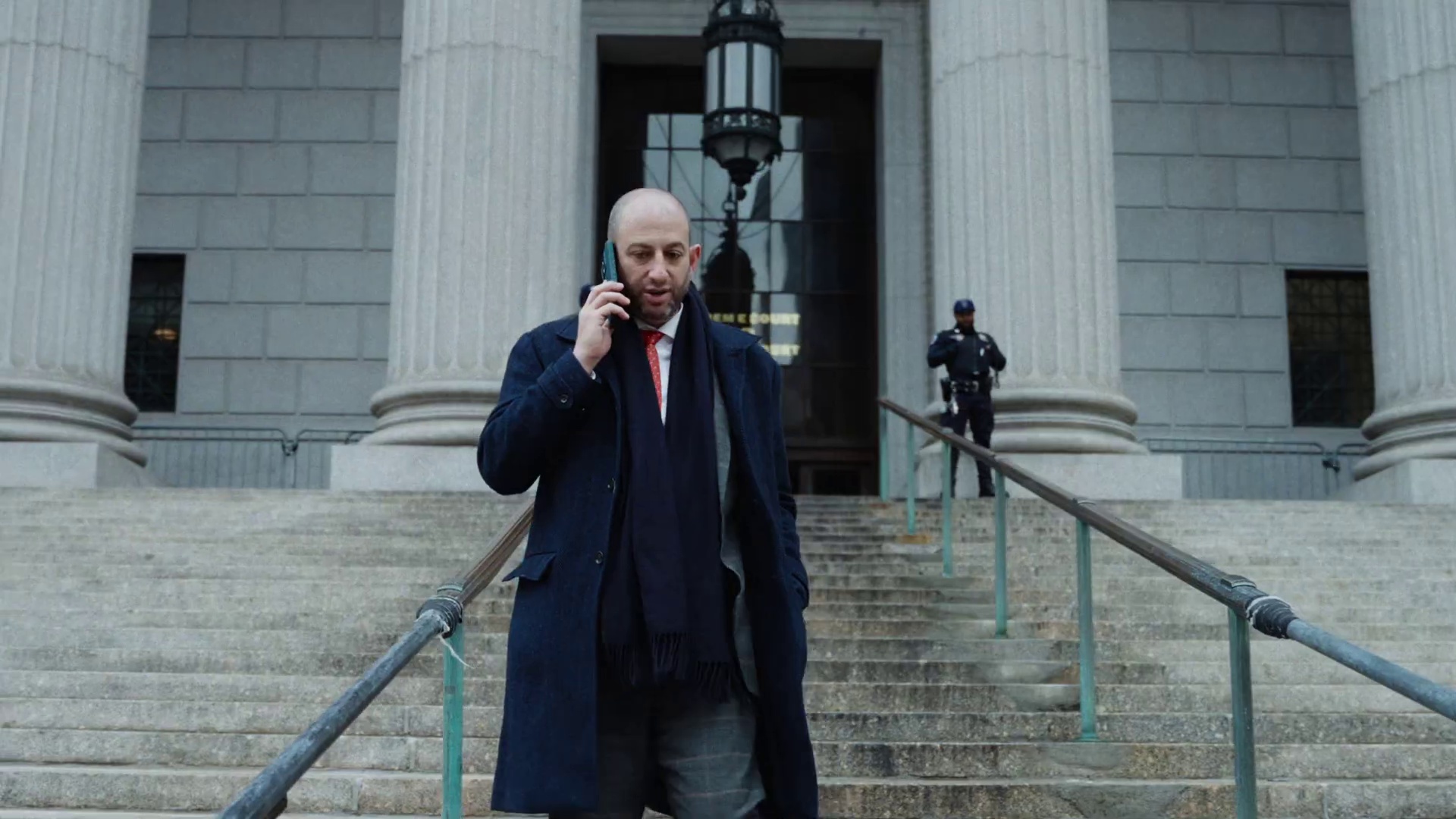
Todd Spodek
Lead Attorney & Founder
Featured on Netflix's "Inventing Anna," Todd Spodek brings decades of high-stakes criminal defense experience. His aggressive approach has secured dismissals and acquittals in cases others deemed unwinnable.
To be convicted of cemetery desecration in the first degree, the prosecutor must be able to demonstrate that the damage you are accused of causing or the property that you are accused of stealing has a value of more than $250. If the prosecutor is not able to produce proof that shows the required value of the damages, then you may have a valid defense against a charge of cemetery desecration in the first degree.

After a night of heavy drinking, you woke up to find police at your door with photos showing extensive damage to over a dozen headstones at a local cemetery. Witnesses identified your vehicle leaving the cemetery grounds, and security camera footage appears to show you and two friends toppling monuments and spray-painting obscenities on mausoleum walls.
What am I facing if they charge me with cemetery desecration in the first degree under NY Penal Law § 145.23?
Cemetery desecration in the first degree under NY Penal Law § 145.23 is a Class E felony, which carries a potential sentence of up to four years in state prison and significant fines. This elevated charge applies when the damage to cemetery property exceeds $250 in value or when multiple graves or monuments are desecrated, distinguishing it from the lesser misdemeanor charge under § 145.22. Given that over a dozen headstones were reportedly damaged and mausoleum walls were defaced, prosecutors will likely pursue the first-degree charge aggressively, and you could also face restitution orders covering the full cost of repairs or replacement. We need to immediately examine the surveillance footage, challenge witness identifications, and determine whether the evidence actually places you as a participant rather than merely present at the scene.
This is general information only. Contact us for advice specific to your situation.
The Sentence
Cemetery desecration in the first degree is categorized as a class E felony. The consequences of a conviction for this crime is that the judge may order that you be sent to prison for up to four years. On the other hand, it is also possible that the judge will not sentence you to any time in prison. He or she could instead sentence you to a 5 year probation term. On top of that , the judge may order you to pay a fine as well as monetary restitution to the victim.