





Understanding Counterfeiting Beyond Fake Money
When most people think of counterfeiting, they usually think about money being copied in some way and passed off as the real thing. While this is a form of counterfeiting, there are other items that can be faked as well, such as jewelry or antique objects. When someone is charged with counterfeiting, it’s usually considered a federal crime because it often involves a significant amount of money. Keep in mind that the federal government often thinks of counterfeiting in different ways than the general public might think of the crime.
What the Federal Government Considers Counterfeiting
Even though someone can counterfeit clothing, shoes, art and other items, the federal government usually refers to the crime as anything that has to do with money, documents or other items that are involved with the federal law and production. The federal government often sees counterfeiting as anything that has to do with defrauding the United States in some manner. Laws that are created typically cover money, stamps used for postage, patent letters, papers related to ships, and any type of legal document. These documents can include deeds, a power of attorney statement, receipts, contracts or documents that have been issued by the government.
Types of Counterfeiting Crimes
Possession of Counterfeit Items
There are a few other types of counterfeiting crimes that should be examined because you can be charged for these issues as well. If you are in possession of a counterfeit item, then you can be charged. At times, you might not know that you are in possession of a counterfeit. If you can provide proof, then you might be able to defeat the charges, especially with the assistance of an attorney.
Passing Counterfeit Items
Passing a counterfeit as a true document is another common charge. An example would be passing any kind of monetary bill as a true bill when it’s a fake. Sometimes, counterfeit money can get circulated in the general public. This would mean that you might not know that you’re in possession of a fake piece of money. If you do know that you hold a counterfeit bill, you need to turn it into the proper authorities so that it can be dealt with.
Possession of Counterfeiting Tools
Another way to be charged with counterfeiting is if you are in possession of the tools needed to complete the process. These tools could include printers, ink and original documents or materials that you plan to counterfeit. Counterfeiting includes removing numbers from vehicles so that you can add new ones. This is a type of counterfeiting charge that some mechanics or car dealers see. They will remove the numbers and apply for a new VIN number if they don’t want a buyer to know the past history, such as accidents of flood reports. If you need help with federal appeals, our federal appeals lawyers can assist with this as well.
Need Help With Your Case?
Don't face criminal charges alone. Our experienced defense attorneys are ready to fight for your rights and freedom.
- 100% Confidential
- Response Within 1 Hour
- No Obligation Consultation
Or call us directly:
(212) 300-5196Altering Money or Documents
An example of counterfeiting that you don’t hear about as often involves pasting pieces of money or documents on top of each other to make one that is fake. Some people will do this when they want to make counterfeit money. Charges could be separate or together depending on the amount of money involved, the materials that are involved and whether the person legitimately knew about the counterfeit materials.
Penalties for Counterfeiting
The penalty for counterfeiting varies in each state. Most of the time, people who counterfeit money can expect to receive up to 25 years in a federal prison and fines of up to $200,000. If there is any kind of financial gain, then the length of the prison sentence can be increased as well as the fines that you have to pay. If the counterfeited materials are only documents or minor documents, such as postage stamps, then the prison sentence will usually be decreased significantly as well as the fines involved.
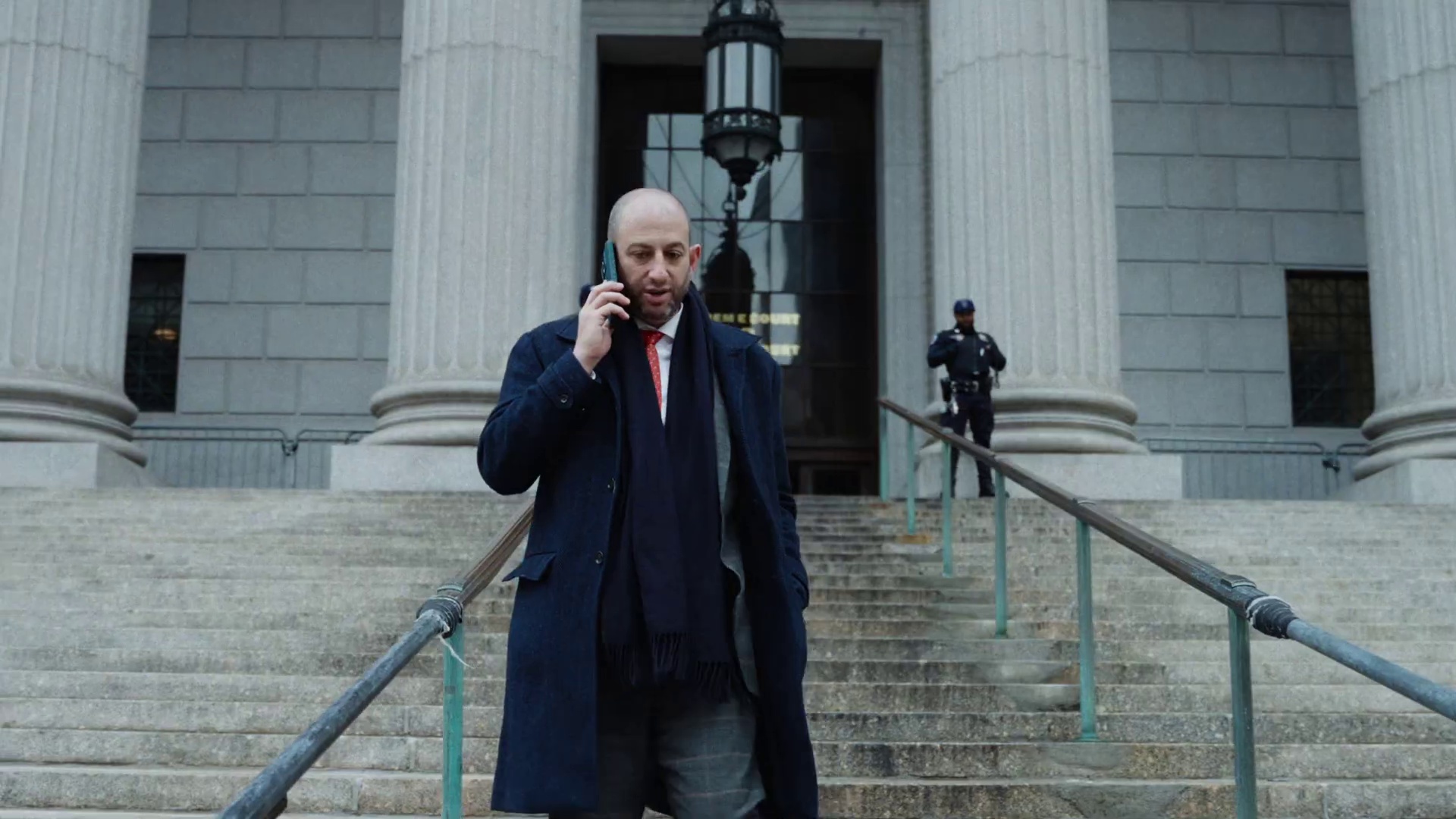
Todd Spodek
Lead Attorney & Founder
Featured on Netflix's "Inventing Anna," Todd Spodek brings decades of high-stakes criminal defense experience. His aggressive approach has secured dismissals and acquittals in cases others deemed unwinnable.
Defense Strategies
If you have been charged with counterfeiting, then you need to consider hiring an attorney who can help prepare your defense. Your attorney can examine the evidence that you produce as to whether you knew that the items were counterfeit or not. This evidence could mean staying out of jail or being sentenced to a lengthy prison term. Since counterfeiting is typically seen as a federal offense, it’s sometimes hard to fight the charges without an attorney. A common defense that is used is that you didn’t know the items were fake when you took them into your possession. If you can provide names of people who gave you the items, then the attorney can sometimes use the information to help in your defense.

You were selling designer-brand handbags online that you purchased from an overseas supplier who assured you they were authentic. After a customer filed a complaint, federal agents seized your inventory and informed you that every item was counterfeit, and you are now facing federal counterfeiting charges under 18 U.S.C. § 2320.
Can I be convicted of federal counterfeiting even though I genuinely believed the goods I was selling were authentic?
Federal trafficking in counterfeit goods under 18 U.S.C. § 2320 requires the prosecution to prove you knowingly used a counterfeit mark in connection with the sale of goods or services. If you had a genuine, good-faith belief that the products were authentic, that can serve as a powerful defense against the knowledge element of the charge. However, prosecutors often use circumstantial evidence—such as unusually low wholesale prices, lack of authorized dealer documentation, or communications with suppliers—to argue you knew or should have known the goods were fake. An experienced federal defense attorney can challenge the government's evidence on the knowledge element and work to get charges reduced or dismissed.
This is general information only. Contact us for advice specific to your situation.
Counterfeiting: What You Need to Know
Counterfeiting is the intentional act of forging something in order to pass it off as genuine, which is a serious federal offense that can result in up to 15 years of jail time and hefty fines. Although counterfeiting is often associated with money, such as bills, checks, and coins, it can also be used for making fake designer items, legal documents, IDs, and licenses. The key element in a counterfeiting case is acting willfully and with the intent to defraud, which prosecutors must prove. However, Federal Lawyers and Attorney our lead attorney will work hard to prove otherwise and to mitigate potential criminal penalties.