





Welcome to Federal Lawyers. If the FBI just seized your phone, computer, tablet, and every other electronic device in your possession, you need to understand something immediately: they didn’t just take your property. They took your entire digital life. Every text message you’ve sent for years. Every photo. Every email. Every late-night Google search. Every contact in your phone. Your location history showing everywhere you’ve been. And here’s what most people don’t realize – the “deleted” files you thought were gone forever are exactly what FBI forensic examiners specialize in recovering.
Your devices are now sitting in an FBI evidence locker, and they will stay there for months. The average backlog at federal forensic labs is nine months before anyone even begins to examine your electronics. Then the actual analysis takes another six to eighteen months. During this entire time, you have no access to your own life – your contacts, your documents, your photos, your work files. Everything is locked away in federal custody while forensic specialists methodically extract every piece of data your devices ever contained.
Here’s the constitutional question that makes this situation even more terrifying: courts across the country are split on whether the government can force you to unlock your phone. The Fifth Amendment protects you from self-incrimination, and some courts say providing your password forces you to reveal “the contents of your own mind.” Other courts disagree. The Supreme Court hasn’t decided. So you’re facing a genuine constitutional question mark while your entire digital existence sits in an FBI lab.
Your Digital Life Is Now FBI Evidence
When the FBI seizes your electronics, most people think about the devices themselves. Thats the wrong way to understand whats happening. The devices are just containers. What the FBI actualy seized is the comprehensive digital record of your life – and that record extends far beyond the physical devices agents carried out of your home.
Your phone contains years of text messages, including conversations you forgot you ever had. It contains every photo youve taken and every photo thats been sent to you. It contains your complete browsing history, your search queries, your app usage data, and your location history showing everywhere youve been for years. Modern smartphones track your movements constantly, and that data doesnt disappear when you leave a location.
Your computer contains every document youve created or downloaded. Every email youve received, including the ones you “deleted.” Every file youve accessed. Your login credentials for dozens of websites. Your financial records, your tax returns, your personal correspondence. The browsing history you thought “private mode” protected – forensic tools recover that too.
Every embarrassing photo, every angry text, every 3am Google search is now in FBI hands – not just what theyre investigating.
Need Help With Your Case?
Don't face criminal charges alone. Our experienced defense attorneys are ready to fight for your rights and freedom.
- 100% Confidential
- Response Within 1 Hour
- No Obligation Consultation
Or call us directly:
(212) 300-5196Heres what catches people off guard: cloud synchronization means the seizure extends far beyond the physical devices. Your phone syncs to iCloud. Your computer syncs to Google Drive or Dropbox. Your email lives on servers you dont control. When FBI agents seized your physical electronics, they gained access to everything those devices connect to. Theres no single location for your digital life anymore. Its everywhere – and the FBI can reach all of it with the appropriate warrants.
Attorney our lead attorney has represented clients who were shocked to discover the scope of what FBI forensics revealed. One client had forgotten about text messages from three years earlier. Another had no memory of certain files on their computer. Your devices remember everything, even when you dont.
The 9-Month Wait Before Anyone Even Looks
Heres something that surprises almost everyone whose electronics have been seized: your devices will probly sit in an evidence locker for months before any forensic examiner even touches them. The FBI operates 16 Regional Computer Forensics Laboratories around the country, in partnership with 130 state and local law enforcement agencies – and there still not enough to handle the volume.
The average backlog at federal forensic labs is nine months. Thats not how long the analysis takes. Thats how long your devices wait in line before the analysis even begins. During this time, your phone, your computer, your tablet – there all sitting in storage. You have no access to your contacts. You have no access to your photos. You have no access to your documents.
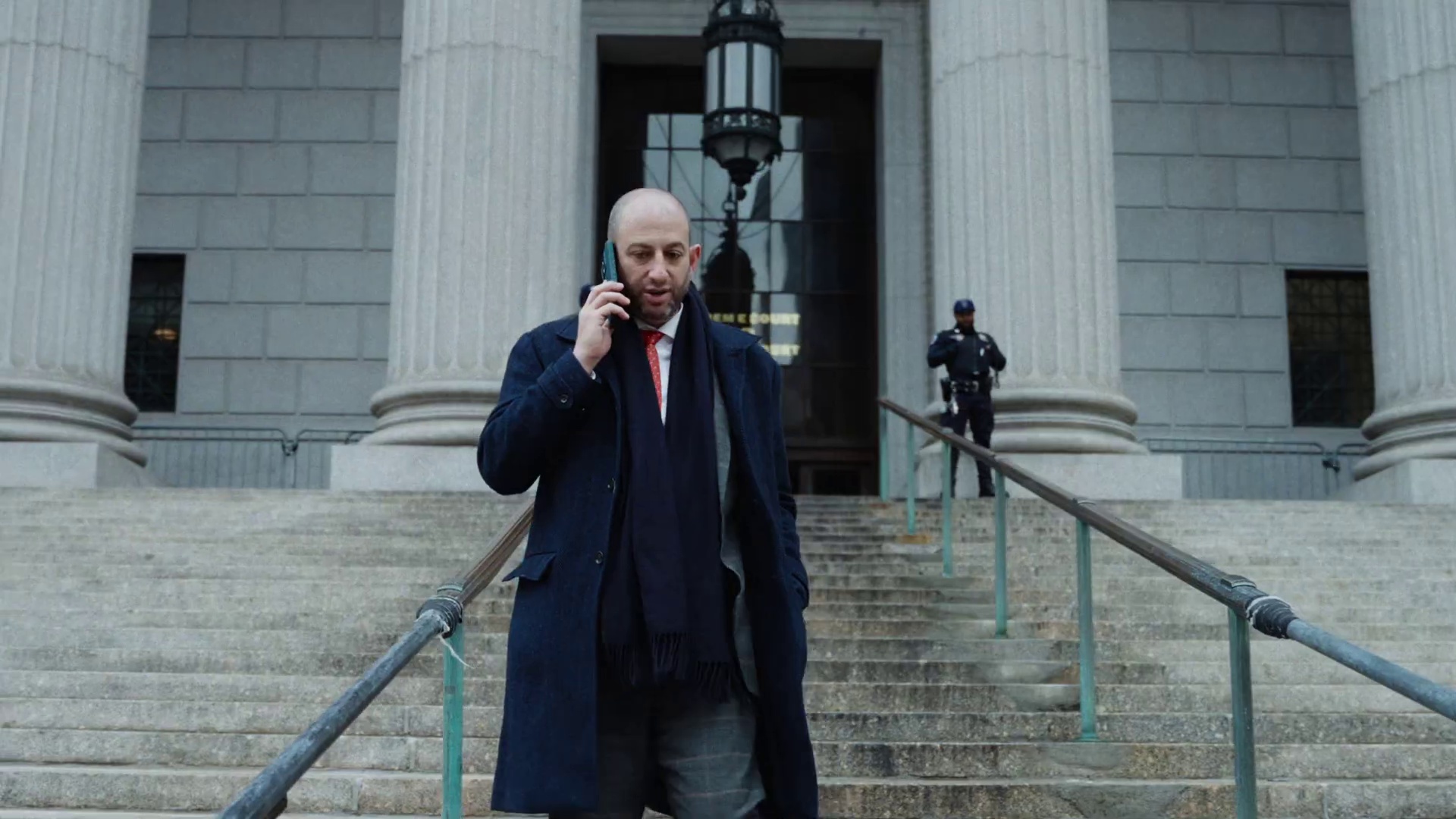
Todd Spodek
Lead Attorney & Founder
Featured on Netflix's "Inventing Anna," Todd Spodek brings decades of high-stakes criminal defense experience. His aggressive approach has secured dismissals and acquittals in cases others deemed unwinnable.
Think about what that means practically. If you ran your business from your computer, that computer is gone. If you stored client files on your laptop, those files are inaccessible. If all your contacts were in your phone, you cant reach anyone. If your password manager was on a seized device, you may not be able to log into accounts you need to function.

You wake up at 6 AM to FBI agents executing a search warrant at your home. They seize every electronic device you own — your personal phone, work laptop, two tablets, external hard drives, and even your children's gaming console — leaving you completely disconnected and unsure what they're looking for.
Can the FBI just take all of my electronics, and how long can they keep them before I get anything back?
Under the Fourth Amendment, the FBI can seize electronics only pursuant to a valid search warrant supported by probable cause, and that warrant must particularly describe the items to be seized. However, courts have recognized in cases like Riley v. California (2014) that digital devices contain vast amounts of private information deserving heightened protection. Your attorney can file a Rule 41(g) motion for return of property, arguing that the government must complete its forensic review within a reasonable time — courts have found retention beyond 60 to 90 days without filing charges to be presumptively unreasonable. Additionally, if the warrant was overbroad or agents seized devices outside its scope, your lawyer can move to suppress any evidence obtained and force the return of improperly seized property.
This is general information only. Contact us for advice specific to your situation.
For many people, having there electronics seized is like having there entire existence frozen. You cant work normally. You cant communicate normally. You cant access your own memories – photos of your children, records of important events, documents you need for your daily life. All of it sits in federal custody while forensic examiners work through there backlog.
The timeline typically breaks down like this: During the first six months, forensic examiners are working through cases ahead of yours. Eventually they get to your devices and create whats called a “forensic image” – an exact copy of every bit of data on your hard drive. They analyze that image using specialized tools that can recover deleted files, examine metadata, and reconstruct your digital activity.