




Federal Tax Evasion Charges Under 26 USC 7201: When IRS Becomes DOJ
So your probably facing federal tax evasion charges and your completely confused because you thought tax issues were civil matters. Maybe you received a notice that IRS-Criminal Investigation is looking into your returns. Maybe there’s allegations you concealed income or claimed false deductions. Or maybe your just accused of failing to file returns for several years. Look, we get it. Your ABSOLUTELY TERRIFIED about criminal tax prosecution. And you should be! Because tax evasion under 26 USC 7201 carries 5 YEARS in federal prison and prosecutors treat tax crimes as seriously as violent offenses because “everyone must pay their fair share”!
What Is Federal Tax Evasion Under 26 USC 7201?
Let me explain how civil tax problem becomes criminal case. Section 7201 is broadest and most serious criminal tax offense – punishes any willful attempt to evade or defeat tax! Originally designed for sophisticated tax cheats but now applied to regular people with tax debts!
The statute has THREE elements prosecutors must prove: (1) existence of tax deficiency, (2) willfulness, and (3) affirmative act of evasion! Each element strictly construed but prosecutors twist all three against defendants!
Here’s what’s really scary – IRS-Criminal Investigation has 93% conviction rate! They only prosecute cases with overwhelming evidence! If IRS-CI knocks on your door, you’re likely target of criminal investigation! Regular revenue agents don’t do criminal work – presence of special agents means criminal case!
Penalties are DEVASTATING beyond prison! Maximum $100,000 fine ($500,000 for corporations) PLUS costs of prosecution PLUS restitution of unpaid taxes PLUS civil penalties PLUS interest! We’ve seen defendants pay 3X the original tax debt after criminal conviction!
What’s the Difference Between 7201, 7203, and 7206?
Three primary criminal tax statutes with DIFFERENT elements and penalties!
Section 7201 is tax evasion – most serious! Requires willfulness, affirmative act, and tax deficiency! Maximum 5 years prison and $100,000 fine! Used for substantial tax evasion with concealment!
Section 7203 is failure to file tax return – misdemeanor! Only requires willful failure to file when required! Maximum 1 year prison and $25,000 fine! Easier to prove because no affirmative act required! But can’t charge 7203 if defendant filed FALSE return – that becomes 7206!
Section 7206 is making false statements on return – felony! Requires knowingly and willfully signing return containing material false statements! Maximum 3 years prison and $100,000 fine! Doesn’t require proof of tax deficiency!
Need Help With Your Case?
Don't face criminal charges alone. Our experienced defense attorneys are ready to fight for your rights and freedom.
- 100% Confidential
- Response Within 1 Hour
- No Obligation Consultation
Or call us directly:
(212) 300-5196Prosecutors charge MULTIPLE statutes for same conduct! Didn’t file for 5 years then filed false return? That’s five 7203 counts PLUS 7206 counts! Evaded taxes through offshore accounts? 7201 PLUS 7206 for false return PLUS FBAR violations!
The 7206 statute has multiple subsections! 7206(1) is false return! 7206(2) is aiding and assisting in preparation of false return – targets accountants and tax preparers! Can prosecute both taxpayer and preparer!
What Is “Willfulness” in Tax Crimes?
Willfulness is CRITICAL element but definition helps defendants!
Willfulness means voluntary, intentional violation of known legal duty! Government must prove beyond reasonable doubt that defendant KNEW federal tax law imposed duty AND intentionally violated it!
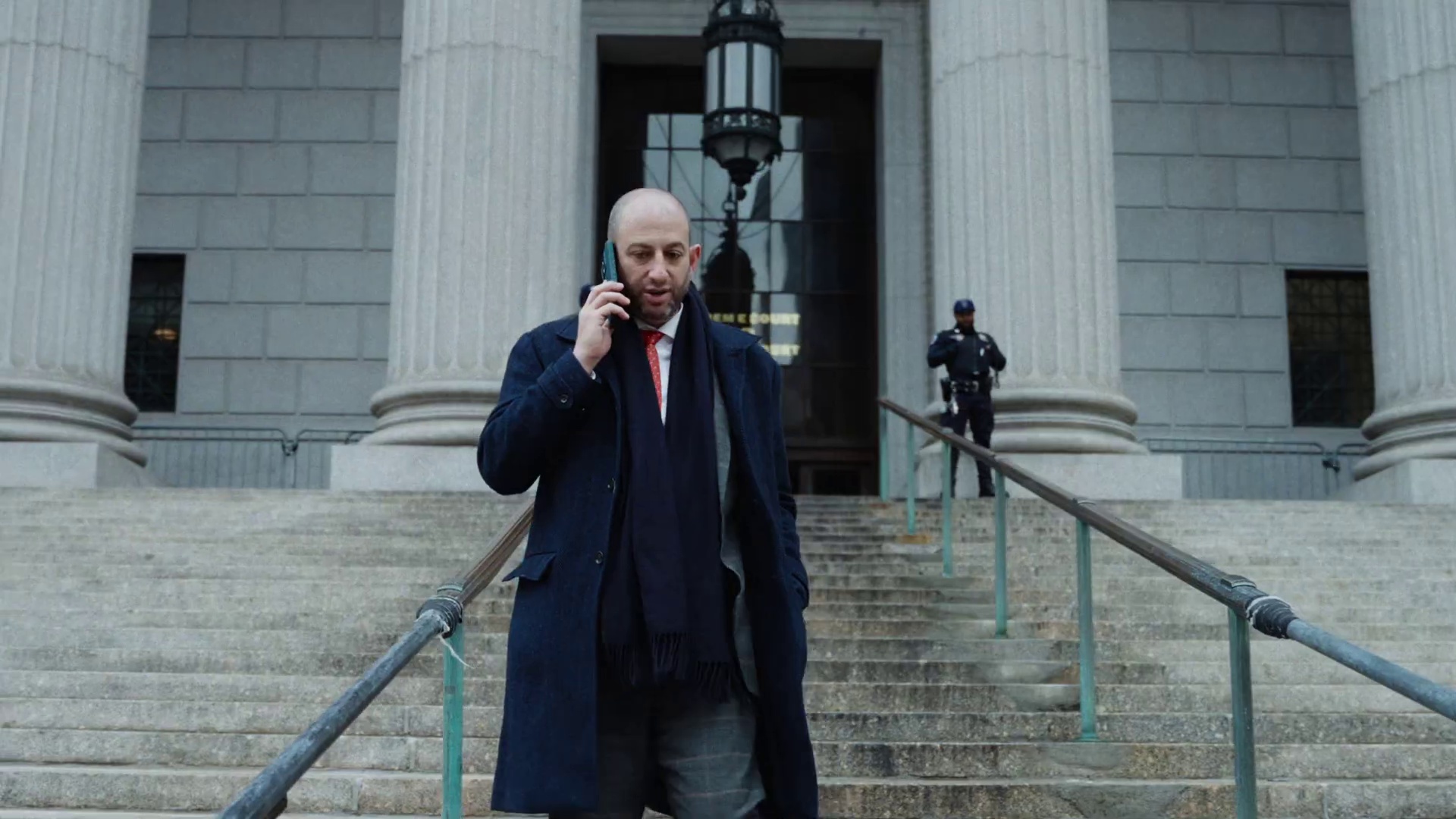
Todd Spodek
Lead Attorney & Founder
Featured on Netflix's "Inventing Anna," Todd Spodek brings decades of high-stakes criminal defense experience. His aggressive approach has secured dismissals and acquittals in cases others deemed unwinnable.
This creates powerful defense! If you didn’t know you had tax obligation or misunderstood law, no willfulness! Supreme Court in Cheek v. United States held good faith belief negates willfulness! Even objectively unreasonable good faith belief is defense!
Example: believe wages aren’t taxable income because of tax protester arguments? Courts say that’s objectively wrong BUT if you genuinely believed it, no willfulness! We’ve won cases where clients had sincere (though incorrect) beliefs about tax law!

You've been filing your own tax returns for years, reporting your W-2 income but never declaring the $40,000–$60,000 in annual cash payments you received from freelance consulting work. Now you've received a target letter from the U.S. Attorney's Office stating that a federal grand jury is investigating you for tax evasion under 26 USC § 7201.
What's the difference between a civil tax audit and criminal tax evasion charges, and how serious is this?
The difference is enormous — a civil audit means the IRS wants you to pay what you owe plus penalties, but a criminal charge under 26 USC § 7201 means the Department of Justice is prosecuting you for willfully attempting to evade taxes, which carries up to 5 years in federal prison and fines up to $250,000 for each count. The key element prosecutors must prove is 'willfulness,' meaning you intentionally and deliberately tried to evade your tax obligations, not that you simply made a mistake or misunderstood the tax code. Once IRS-Criminal Investigation refers your case to the DOJ Tax Division, conviction rates exceed 90%, which is why it's critical to retain experienced federal defense counsel immediately — before you speak to any investigators or appear before the grand jury. We can challenge the government's evidence of willfulness, negotiate with prosecutors, and in some cases work to resolve the matter civilly before an indictment is ever filed.
This is general information only. Contact us for advice specific to your situation.
But willfulness can be proven circumstantially! Pattern of underreporting, using cash, offshore accounts, lying to accountant, destroying records – all evidence of willfulness! Jury infers you KNEW you were violating law!
Reckless disregard for truth can satisfy willfulness! Signing return without reading it? Not defense! Ignoring accountant’s questions? Evidence of willfulness! “I didn’t look at my return” doesn’t work!