





DOJ Target Letter: Understanding Your Rights and Next Steps
The rights exist. The question is whether they will be exercised before the window to exercise them closes.
A Department of Justice target letter arrives with an implicit invitation to misunderstand it. The language is formal, occasionally bureaucratic, and structured in a way that may suggest the matter is preliminary, that clarification is expected, or that a cooperative response is the natural next step. None of those implications are accurate. The letter represents the conclusion of a substantial investigative process, not the beginning of a dialogue.
The Right to Remain Silent
The Fifth Amendment protection against compelled self-incrimination applies with full force at the pre-indictment stage. You are not required to speak with federal investigators. You are not required to appear before the grand jury unless subpoenaed, and if subpoenaed as a target, you retain the right to invoke the Fifth Amendment on any question whose truthful answer might incriminate you.
The right extends beyond formal proceedings. It applies to voluntary interviews, to conversations at the door with agents who appear without warning, and to any communication with government representatives outside the presence of counsel. The exercise of this right cannot be used as evidence of guilt at trial. It is a constitutional protection, not an admission.
The Right to Counsel
You have the right to retain counsel of your choosing before responding to any aspect of a target letter. If you cannot afford counsel, the Sixth Amendment right to appointed counsel attaches at the point of formal charge. In the pre-indictment period, however, appointed counsel is not available, and the gap between a target letter and a formal charge is precisely the interval in which retained counsel can accomplish the most.
The right to counsel includes the right to have counsel communicate with the prosecuting attorney’s office on your behalf. It includes the right to have counsel review any subpoenas issued in connection with the investigation and challenge their scope or legality. It includes the right to have counsel present at any voluntary interview you elect to provide, subject to the exception applicable inside the grand jury room itself.
The Constitution guarantees the right. It does not guarantee the outcome. Those are different things, and the interval between the letter and any charge is where the distinction matters most.
Need Help With Your Case?
Don't face criminal charges alone. Our experienced defense attorneys are ready to fight for your rights and freedom.
- 100% Confidential
- Response Within 1 Hour
- No Obligation Consultation
Or call us directly:
(212) 300-5196The Right to Be Informed of Your Status
Department of Justice guidelines require that targets be advised of their status before being called to testify before a grand jury. This notification is the function served by the target letter itself. The guidelines also require that targets be advised of their Fifth Amendment right not to testify, which is why most target letters include that language explicitly.
These guidelines are internal DOJ policy. They are not statutory rights enforceable in court. A prosecutor who fails to issue a target letter before proceeding to indictment has not violated a right that a defendant can assert as a basis for dismissal. The notification exists as a matter of prosecutorial policy, not as a procedural protection with judicial enforcement available to you.
The Right to Challenge Grand Jury Proceedings
Grand jury proceedings are subject to legal challenge in limited circumstances. A subpoena may be challenged on grounds that it seeks privileged material, that it is unreasonably broad, or that it was issued for an improper purpose. Evidence presented to the grand jury that was obtained through unconstitutional means may, in some circumstances, support a motion to dismiss the indictment.
These challenges are narrow and the standard for success is high. Federal courts are reluctant to intervene in grand jury proceedings, viewing the grand jury as an independent institution whose investigative function warrants protection from judicial interference. But narrow does not mean nonexistent, and counsel familiar with the specific facts of an investigation can assess whether a challenge is warranted.
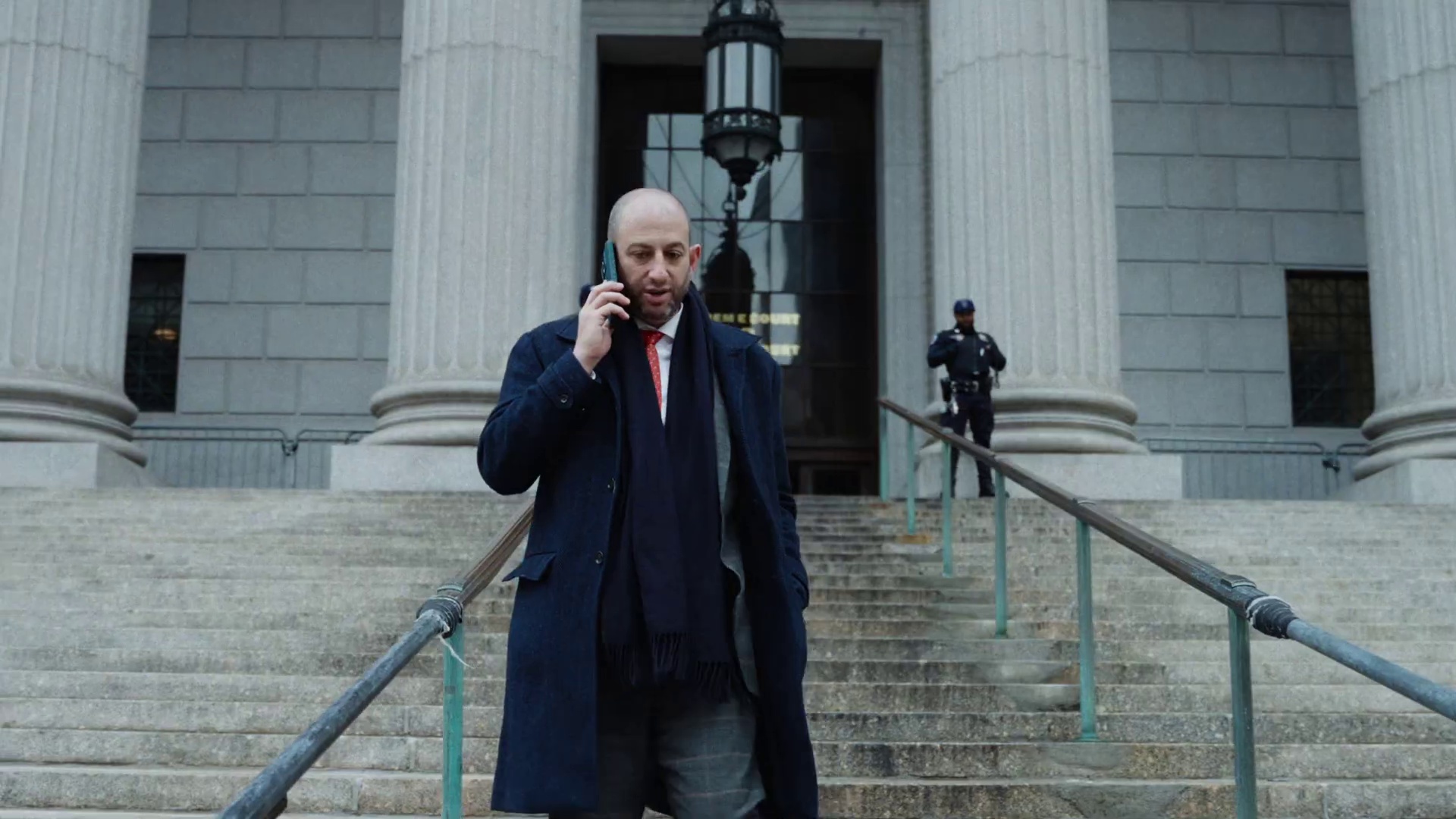
Todd Spodek
Lead Attorney & Founder
Featured on Netflix's "Inventing Anna," Todd Spodek brings decades of high-stakes criminal defense experience. His aggressive approach has secured dismissals and acquittals in cases others deemed unwinnable.
The Next Steps, in Order
Retain counsel. Do not speak with investigators, family members connected to the matter, or business associates who may be witnesses. Preserve all documents, communications, and records connected to the subject matter identified in the letter. Do not contact the prosecutor named in the letter directly. Wait for counsel to establish contact and assess the government’s current posture.
Those steps, taken in that sequence, represent the exercise of every right the letter’s arrival has placed in play.
The first consultation is available now. The rights it protects have a shorter shelf life than they appear.
