




Retail Food Stamp Fraud Investigated by the USDA
Retail food stores are expected to comply with USDA laws and regulations related to food stamp programs.
Failure to comply can lead to investigations, fines, or disqualification from participating in the program.
These government food programs are designed to help needy families and individuals.
Beneficiaries use an Electronic Benefits Transfer (EBT) card, which allows the USDA to track purchases.
Retailers who misuse these programs for personal gain can receive a fraud charge letter.
If your retail store has been charged, it is essential to consult with a USDA violations lawyer and understand the investigation process so you can take appropriate action.
Initiating the Investigation
The USDA typically begins an investigation when it discovers inconsistent information — either through its
internal computer match systems, the quality control department, or tips from the public.
Once an investigation starts, you will receive a charge letter.
USDA agents may also visit your store or contact you for questioning.
For example, if your store reports low profits but still manages to cover expenses, you may be asked to explain how.
Failure to do so could lead investigators to assume you have unreported income.
It is crucial to speak with your lawyer before answering any USDA questions.
The USDA maintains computer programs in every state to verify the eligibility of applicants and retailers.
These systems are linked with other databases such as the Child Support Office, Bureau of Vital Statistics,
Unemployment Office, and prison systems.
This allows agents to detect discrepancies quickly and initiate investigations when necessary.
Need Help With Your Case?
Don't face criminal charges alone. Our experienced defense attorneys are ready to fight for your rights and freedom.
- 100% Confidential
- Response Within 1 Hour
- No Obligation Consultation
Or call us directly:
(212) 300-5196Receiving a charge letter does not automatically mean you are guilty of fraud.
Sometimes, errors may occur due to computer or human mistakes.
However, once you receive a letter, you have 10 days to respond.
Failure to respond allows the USDA to rule based on their evidence, which could result in fines or disqualification.
A qualified violations lawyer will guide you on how to respond and what documents to provide in your defense.
Gathering Information
The USDA cannot prosecute you without sufficient evidence that you intentionally provided fraudulent
information or knowingly deceived the department. They conduct their own investigations,
which may include on-site visits or requests for financial documentation.
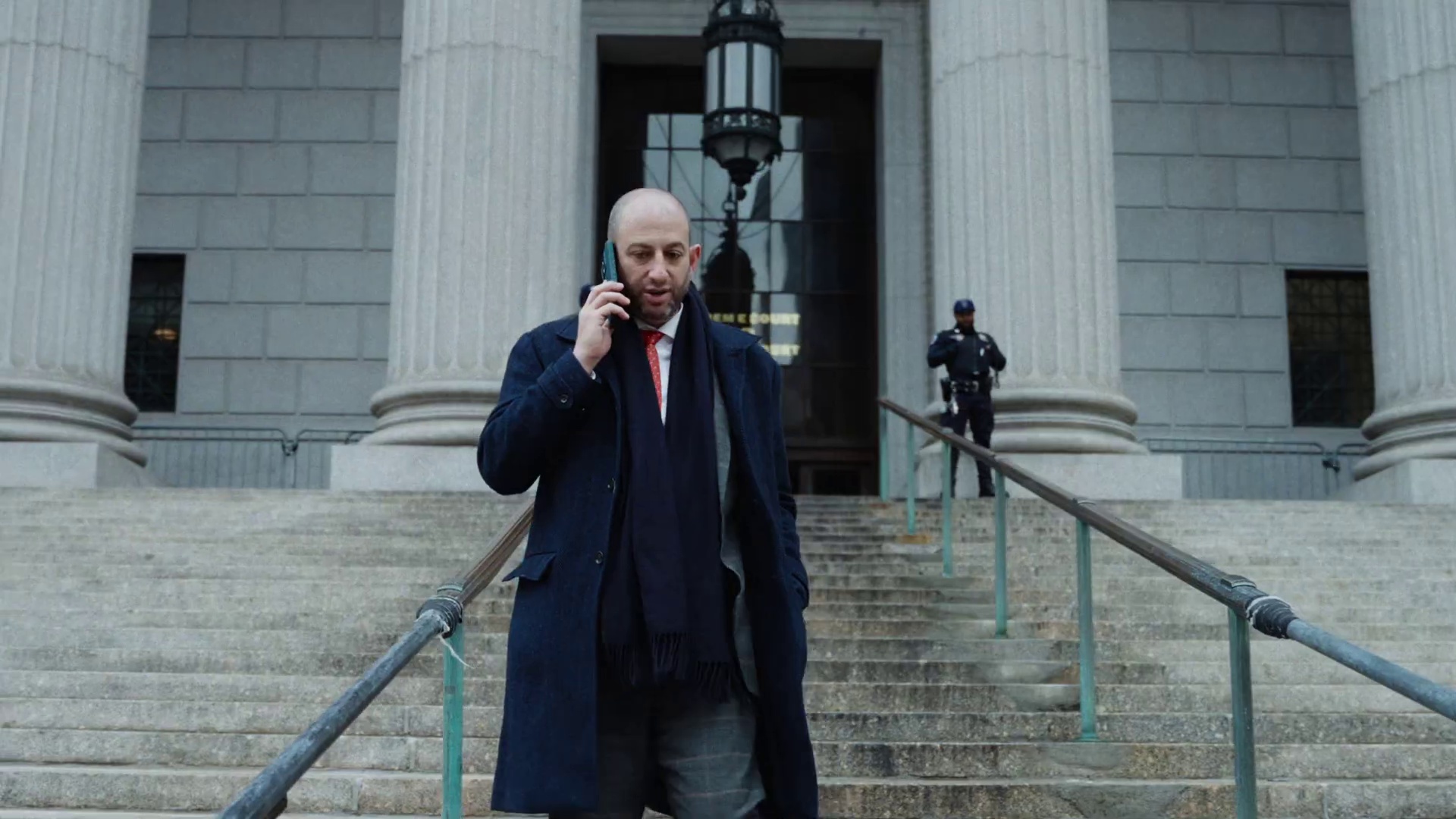
Todd Spodek
Lead Attorney & Founder
Featured on Netflix's "Inventing Anna," Todd Spodek brings decades of high-stakes criminal defense experience. His aggressive approach has secured dismissals and acquittals in cases others deemed unwinnable.

You own a small grocery store that accepts EBT cards, and a USDA Office of Inspector General investigator just visited your store asking questions about unusually high SNAP redemption volumes compared to your inventory purchases. You suspect a former employee may have been running an illegal scheme to exchange EBT benefits for cash without actual food purchases.
What kind of penalties am I facing if the USDA determines my store was involved in food stamp trafficking, even if I didn't personally authorize it?
Under 7 U.S.C. § 2024, food stamp fraud—including trafficking EBT benefits for cash—is a federal crime carrying up to 20 years in prison and fines up to $250,000. The USDA Food and Nutrition Service can also permanently disqualify your store from the SNAP program under 7 C.F.R. § 278.6 if trafficking is established, which for many small retailers is a financial death sentence. Even if you were unaware of the scheme, the government can hold you responsible as the authorized retailer, so building a strong defense around your lack of knowledge and any compliance measures you had in place is critical. You need an attorney experienced in USDA administrative proceedings immediately, because you may have as few as 10 days to respond to a charge letter before disqualification takes effect.
This is general information only. Contact us for advice specific to your situation.
Over the years, the USDA has implemented advanced technologies to detect fraud, including:
- Electronic Audit Trail: Tracks and identifies suspicious activity.
- Anti-Fraud Locator: Monitors the EBT system for unusual patterns.
- Investigative Team: Over 100 trained investigators and analysts nationwide working closely with law enforcement.