




New York Penal Code § 215.51: Criminal Contempt in the First Degree
Receiving a New York Penal Code § 215.51: Criminal Contempt in the First Degree charge is a serious matter, and the government jump at the chance to clamp down on you if you don’t protect yourself. I see prosecutors push these charges because it help them look tough, and our lead attorney always warn clients that ignoring this risk will only embolden overzealous officials. I watch our lead attorney on that Netflix series about Anna Delvey, and he hammered home the idea that if you let the state run wild, they corner you in a heartbeat, which is why our firm invests in a fully digital client portal to keep you updated on every stage of your case.
Why This Charge Feels Overwhelming
You face these allegations when they claim you violate a court order or disobey protective mandate under NY Penal Code § 215.51. The prosecutors want paint you as a troublemaker, so they can rack up wins in front of the press, and our lead attorney, a second-generation attorney, see through that bluff because he’s dealt with massive publicity during his representation of high-profile defendants. Our firm’s white glove service means we respond to your messages, keep track your bail conditions, and fight to keep the state from pushing you around.
Need Help With Your Case?
Don't face criminal charges alone. Our experienced defense attorneys are ready to fight for your rights and freedom.
- 100% Confidential
- Response Within 1 Hour
- No Obligation Consultation
Or call us directly:
(212) 300-5196How the Law Usually Works
Criminal contempt in the first degree typical arises when a court order is violated with intent, as established in People v. Lonegan, 70 N.Y.2d 297 (1987). The key is prove you know about the order and choose to disregard it, so the prosecution tries to highlight every slip-up, and our lead attorney always warns that you must never ignore procedural steps under CPL 170.70 or you risk indefinite detention. We harness a nationwide network of offices, from New York to Los Angeles, to coordinate a defense strategy that highlight each flaw in the government’s case.

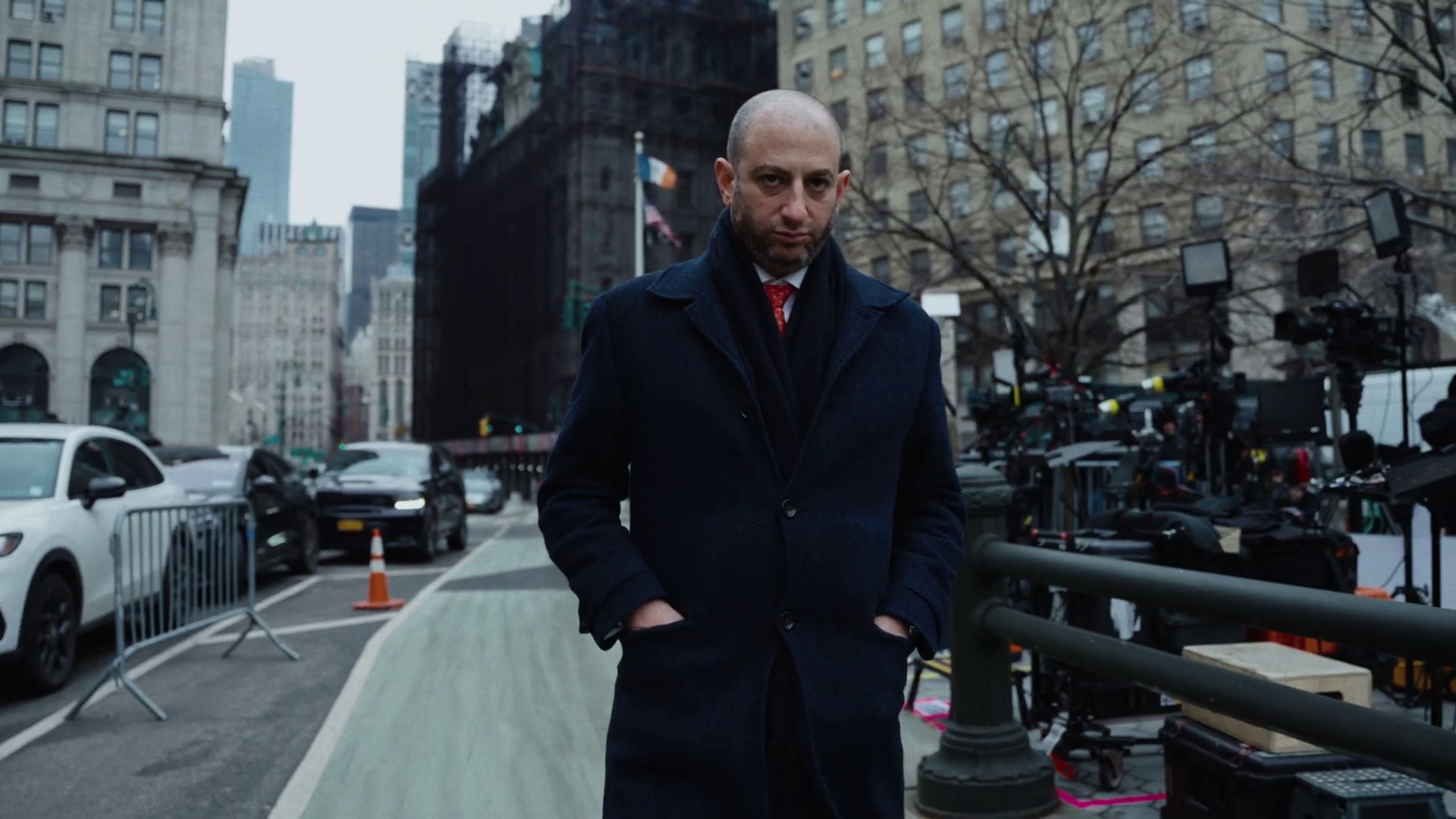
Todd Spodek
Lead Attorney & Founder
Featured on Netflix's "Inventing Anna," Todd Spodek brings decades of high-stakes criminal defense experience. His aggressive approach has secured dismissals and acquittals in cases others deemed unwinnable.
After a heated custody dispute, you violated an order of protection by repeatedly calling and texting your ex-spouse despite a judge's explicit directive to have no contact. You've now been arrested and charged under New York Penal Code § 215.51 with Criminal Contempt in the First Degree, a Class E felony.
What are the potential penalties for a first-degree criminal contempt charge, and is there any way to get this reduced?
Under Penal Code § 215.51, Criminal Contempt in the First Degree is classified as a Class E felony, carrying up to four years in state prison and a permanent criminal record. The statute specifically targets repeated or aggravated violations of court orders, including orders of protection, and prosecutors take these cases seriously because they involve defiance of judicial authority. We would immediately examine whether the underlying order of protection was properly served and whether your alleged contacts truly meet the statutory threshold for a felony charge versus a misdemeanor under § 215.50. In many cases, we can negotiate the charge down or challenge the sufficiency of the evidence, particularly if the communications were ambiguous or initiated by the other party.
This is general information only. Contact us for advice specific to your situation.
Innovative Defense Strategies: Roleplaying Scenarios
Imagine a scenario where you left a voicemail for someone protected by a restraining order, but message was unclear. The prosecutor want to argue you intentionally threaten the person, and our lead attorney’s approach is to show the jury that your statement was ambiguous, plus we might file a motion under CPL 240.20 to obtain discovery that proves your voice was misheard. We also rely on People v. Latham, 113 A.D.3d 885 (2d Dep’t 2014) that recognized context matter when determining intent.