




Manslaughter + Laws, Charges & Statute of Limitations
Manslaughter is a term that refers to homicide. The difference between manslaughter and murder is the intent of the crime. A manslaughter charge recognizes that the defendant had no malicious intent to murder. in both a manslaughter and murder case a killing occurs. The difference is, the behavior of manslaughter is somewhat justifiable according to the legal system.
What Laws Govern Manslaughter
In a manslaughter case, the defendant is already identified as the killer of the victim. Guilt is already established. The question that is left for the legal system to answer is whether the defendant’s actions are reasonable. The code declares that manslaughter is classified as a no malice unlawful killing of another individual.
Need Help With Your Case?
Don't face criminal charges alone. Our experienced defense attorneys are ready to fight for your rights and freedom.
- 100% Confidential
- Response Within 1 Hour
- No Obligation Consultation
Or call us directly:
(212) 300-5196The law that governs manslaughter can be found in 18 U.S. Code. There is a specific manslaughter section.
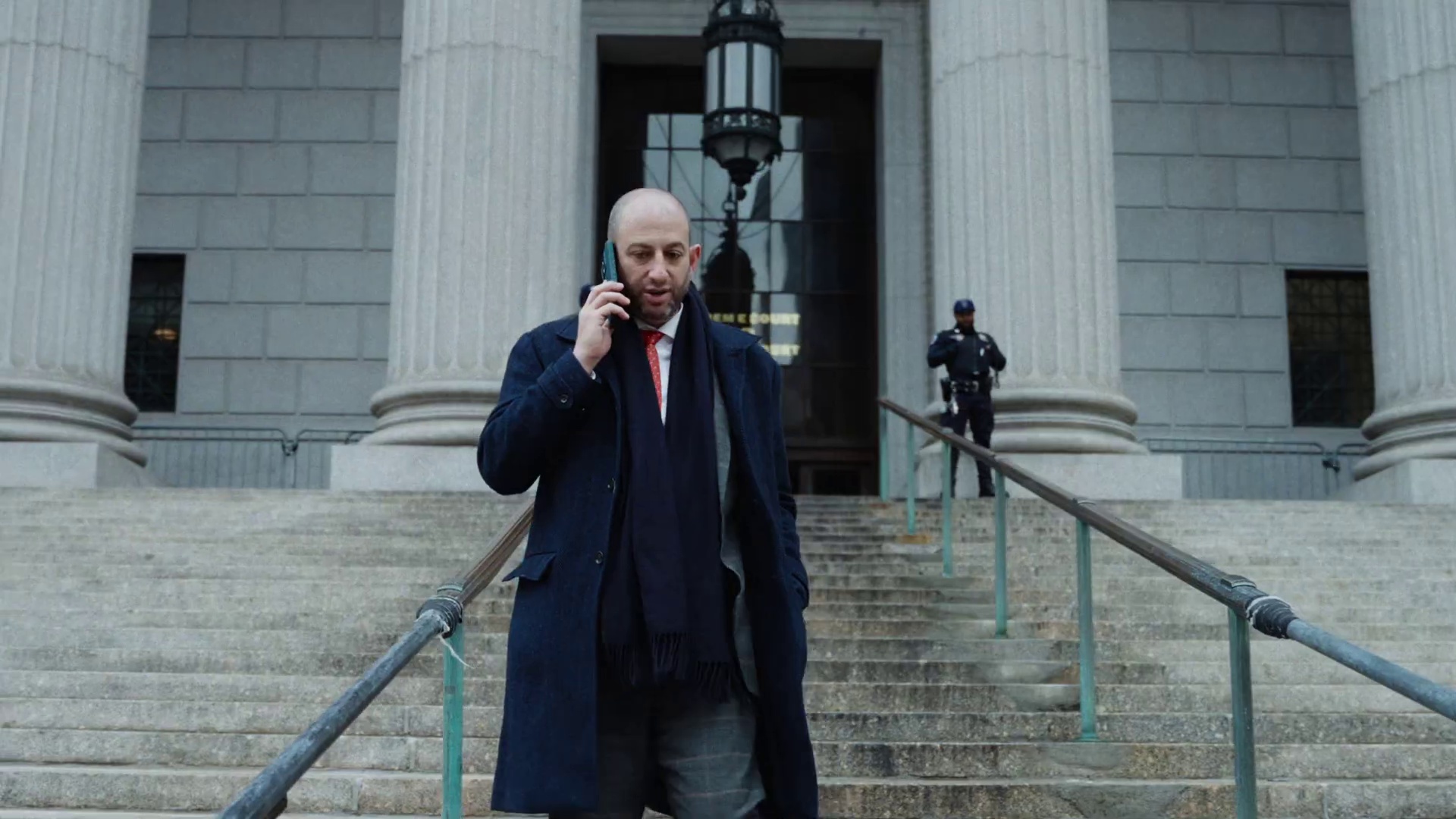
Todd Spodek
Lead Attorney & Founder
Featured on Netflix's "Inventing Anna," Todd Spodek brings decades of high-stakes criminal defense experience. His aggressive approach has secured dismissals and acquittals in cases others deemed unwinnable.

After a heated argument at a bar, you shoved another patron who then fell, hit his head on the concrete floor, and died two days later from a brain hemorrhage. Police have arrested you and the prosecutor is deciding whether to charge you with murder or manslaughter.
What is the difference between a murder charge and a manslaughter charge in my situation, and what kind of sentence am I facing?
Based on what you've described, this situation most likely fits the definition of involuntary manslaughter, since there was no premeditated intent to kill — the death resulted from a reckless or negligent act during a confrontation. Under most state statutes, involuntary manslaughter carries significantly lighter penalties than murder, often ranging from 2 to 10 years depending on the jurisdiction, compared to 15 years to life for a murder conviction. A key factor will be whether the prosecution can prove you acted with 'malice aforethought,' which would elevate the charge to second-degree murder, or whether your actions constitute the kind of reckless conduct that falls under manslaughter laws. We would also need to examine whether any provocation defense or heat-of-passion doctrine applies, which in many states can reduce what might otherwise be charged as murder down to voluntary manslaughter.
This is general information only. Contact us for advice specific to your situation.
Involuntary Manslaughter vs. Voluntary Manslaughter
There are two types of manslaughter. They are:
- Involuntary manslaughter – an unlawful crime that is not deemed a felony. Death of a human-caused by another human that acted unlawfully and without caution.
- Voluntary manslaughter – described as a “heat of passion murder.” This type of manslaughter action occurs after a quarrel or altercation
| Type of Manslaughter | Definition | Key Characteristics |
|---|---|---|
| Voluntary Manslaughter | Described as a “heat of passion murder” | This type of manslaughter action occurs after a quarrel or altercation |
| Involuntary Manslaughter | An unlawful crime that is not deemed a felony. Death of a human-caused by another human that acted unlawfully and without caution | A killing that happens by accident is involuntary manslaughter |
| Criminal Negligence | In some cases, involuntary manslaughter is considered criminal negligence |