Is prank calling illegal? A defense attorney explains
Prank calling has been around for years and years. Since the dawn of the telephone, callers have been entertaining themselves by disguising their voices and engaging in jokes with whoever picks up the phone. Sometimes though, prank calls can cross ethical and legal lines – resulting in criminal offenses such as harassment, threats, or fraud. When does a prank call become illegal? As a criminal defense attorney, I’m often asked to examine the legality of prank calls. Here’s an overview of laws and examples of potentially criminal prank calls:
When Does a Prank Call Become Illegal?
Most calls that are jokes, to friends, or businesses are legal, but slightly immature to say the least! But, prank calls can break laws depending on the situation at hand:
- Harassment – Repeatedly engaging in unwanted calls to annoy, abuse, or threaten someone can be perceived as harassment.
- Trespassing – Prank delivering food/services to someone else’s house without consent is a form of tresspassing..
- Swatting pranks – Falsely reporting crimes which result in the FBI/Police raiding someone’s house is a form of swatting. This is not a legal prank.
- Obscenity – If you make lewd, or vulgar calls, without consent, this is illegal – and no longer
- Impersonation – If you do this to get money, or information, fraudulently, then this is a crime.
- Threats – If you intimidate, or threaten injury, during the call – then the prank call is illegal.
- Disrupting phone service – Blocking lines or making repeated calls in order to disrupt someones phone service – this is illegal.
- Privacy violations – Each state is different when it comes to recording calls, you have to make sure you’re not illegally recording a call.
The key to figuring out whether the prank call is illegal, is whether the call resulted in someone being in fear, in panic, incited violence, caused actual damages, or was made for fraudulent purposes. There’s a big difference between harmless and illegal conduct. But if you act maliciously, threaten someone, or make dangerous calls – then it can result in felony charges.
Need Help With Your Case?
Don't face criminal charges alone. Our experienced defense attorneys are ready to fight for your rights and freedom.
- 100% Confidential
- Response Within 1 Hour
- No Obligation Consultation
Or call us directly:
(212) 300-5196Harassment Charges For Unwanted Calls
In many state laws, if you repeatedly call someone in a harassing manner – then it’s a misdemeanor or felony crime. What constitutes harassment? Here are some factors prosecutors consider:
- Number of calls – Repeated unwanted calls to the same individual, can show intent to harass.
- Time of day – Late night or early morning calls can be indicative of harassment.
- Call content – Abusive, vulgar, threatening, or obscene language will be looked to see if it was harmless joke, or actual harassment.
- Caller ID spoofing – Masking your number could be used to determine what your intent was.
- Purpose – Calling solely to annoy or frighten the intended target is going to be considered when harassment is in question.
- Impact on victim – Prosecutors will look to see what happened to the victim based on your conduct.
While an isolated immature prank call may not get noticed, a pattern of unwanted prank calls, especially threatening calls, can warrant criminal charges with penalties of up to 2 years in some states.
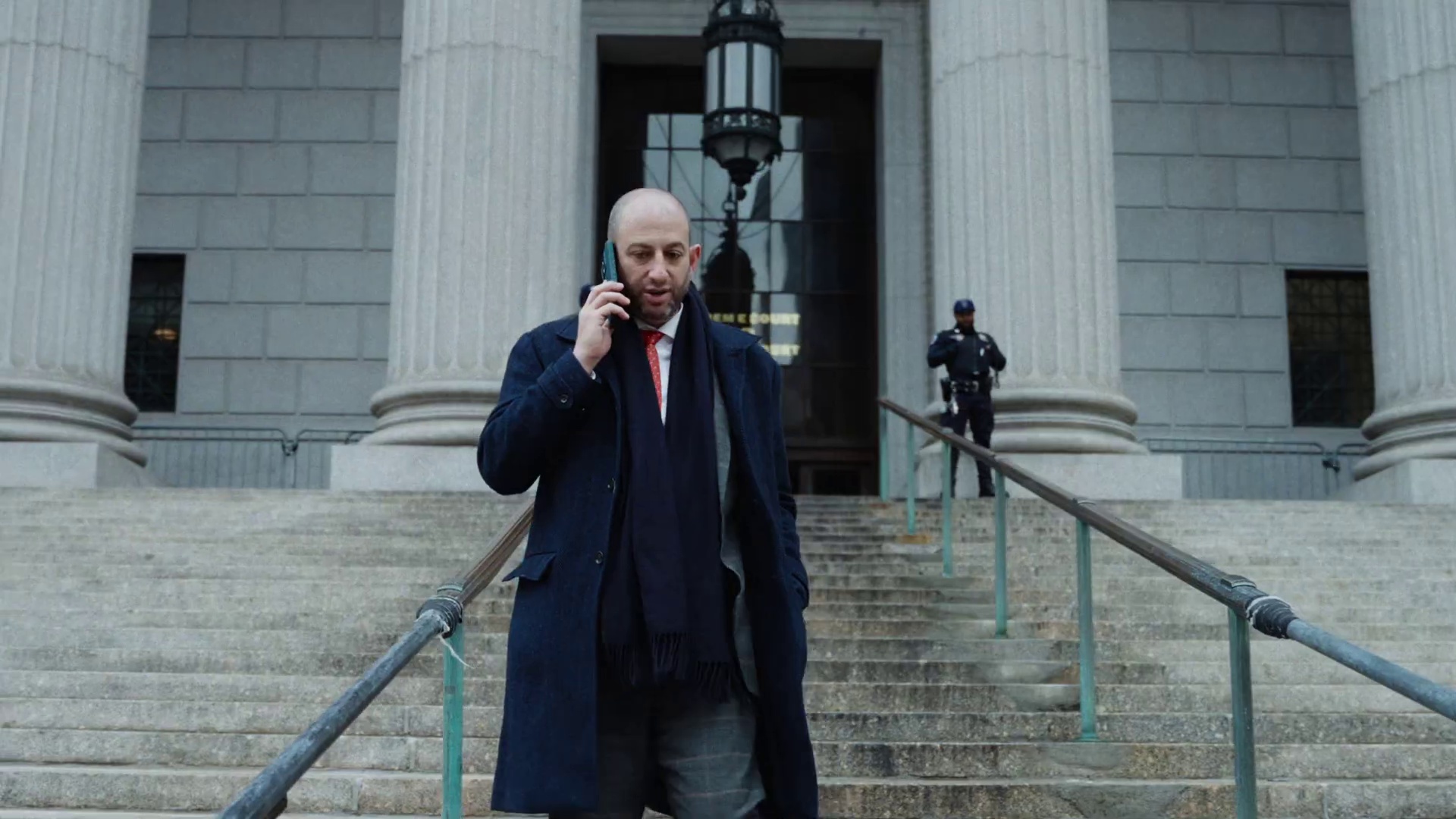
Todd Spodek
Lead Attorney & Founder
Featured on Netflix's "Inventing Anna," Todd Spodek brings decades of high-stakes criminal defense experience. His aggressive approach has secured dismissals and acquittals in cases others deemed unwinnable.

A college student recorded himself making prank calls to local businesses, pretending to place massive fake orders and posting the reactions on social media. One of the business owners filed a police report, and now the student has been charged with aggravated harassment and is facing potential additional charges related to the recordings.
Can I really face criminal charges just for making prank calls that were meant to be funny content for my social media?
Prank calls that involve repeated unwanted contact, threats, or obscene language can be prosecuted as harassment under state criminal statutes — in New York, for example, Penal Law § 240.30 covers aggravated harassment in the second degree, which includes making calls with intent to harass or annoy. Recording those calls without the other party's consent may also violate wiretapping and eavesdropping laws, which in many states require two-party consent. The fact that your intent was comedic does not serve as a legal defense if the conduct meets the statutory elements of harassment, fraud, or illegal recording. An experienced defense attorney can evaluate whether the charges fit the actual conduct and may be able to negotiate reduced charges or pursue dismissal if the calls did not rise to the level of criminal behavior.
This is general information only. Contact us for advice specific to your situation.
Swatting Is Dangerous – And Illegal
One of the most dangerous illegal pranks is “swatting” – making fake calls to emergency services reporting violent crimes in progress to elicit an armed law enforcement response at a targeted home. This reckless hoax endangers everyone by wasting critical resources and creating police encounters that can turn fatal in seconds.