Federal Child Pornography Sentencing Guidelines
Federal Child Pornography Sentencing Guidelines: What You Need to Know
Child pornography is an extremely serious federal crime; that carries harsh penalties. If you or a loved one has been charged with a child porn offense, it’s crucial to understand the potential consequences and how the sentencing guidelines work. This article will break down the key points about federal child porn sentencing – so you can make informed decisions moving forward.
The Basics: What is Child Pornography?
First things first, let’s define what exactly constitutes child pornography under federal law. Child porn is any visual depiction of a minor (under 18) engaged in sexually explicit conduct. This includes photographs, videos, digital images, undeveloped film – basically any pornographic material involving a child.Merely possessing or accessing these materials is a federal crime. But the charges get even more serious for producing, distributing, receiving, or trafficking child porn across state lines or on the internet. This article from Findlaw has a good overview of the different federal offenses related to child porn.
How Federal Sentencing Works
In the federal system, sentencing is guided by the U.S. Sentencing Guidelines – a complex set of rules and calculations. The guidelines aim to promote uniformity and fairness in sentencing for similar federal crimes.Here’s a quick rundown of how the federal sentencing process works:
- The offense conduct gets assigned a “base offense level” based on the crime
- That level can then be adjusted up or down based on specific aggravating/mitigating factors
- The defendant’s criminal history is calculated into a point score
- Those two numbers (final offense level and criminal history score) are cross-referenced on a sentencing table
- This provides a recommended guideline sentencing range (e.g. 51-63 months in prison)
The judge must consider this guideline range – but can depart from it in certain circumstances. Ultimately, the final sentence is up to the judge’s discretion within the statutory maximum.So where do child porn cases typically fall on the guidelines? Let’s take a look.
Need Help With Your Case?
Don't face criminal charges alone. Our experienced defense attorneys are ready to fight for your rights and freedom.
- 100% Confidential
- Response Within 1 Hour
- No Obligation Consultation
Or call us directly:
(212) 300-5196Child Porn Sentencing Guidelines
Federal child porn crimes get grouped under the guidelines’ section for sexual exploitation of a minor (§2G2.2). The base offense level here is pretty high – 22 for just possession, 32 for distribution/trafficking.But then there are a whole host of aggravating factors that can significantly increase the offense level:
- Using a computer/internet to possess/distribute (+2 levels)
- Material involving a prepubescent minor or sadistic/masochistic conduct (+4 levels)
- Material portraying violence or sexual abuse of an infant/toddler (+4-5 levels)
- Distributing for money/favors/other illegal reasons (+2-5 levels)
- Engaging in pattern of activity involving sexual abuse/exploitation of a minor (+5 levels)
- Using a file-sharing program (+2 levels)
As you can see, the levels can stack up quickly – easily reaching offense levels in the 30s or 40s for more serious conduct. With minimal criminal history, that could mean a guideline range of 10+ years in federal prison.To illustrate, here are some actual child porn sentencing statistics from 2021:
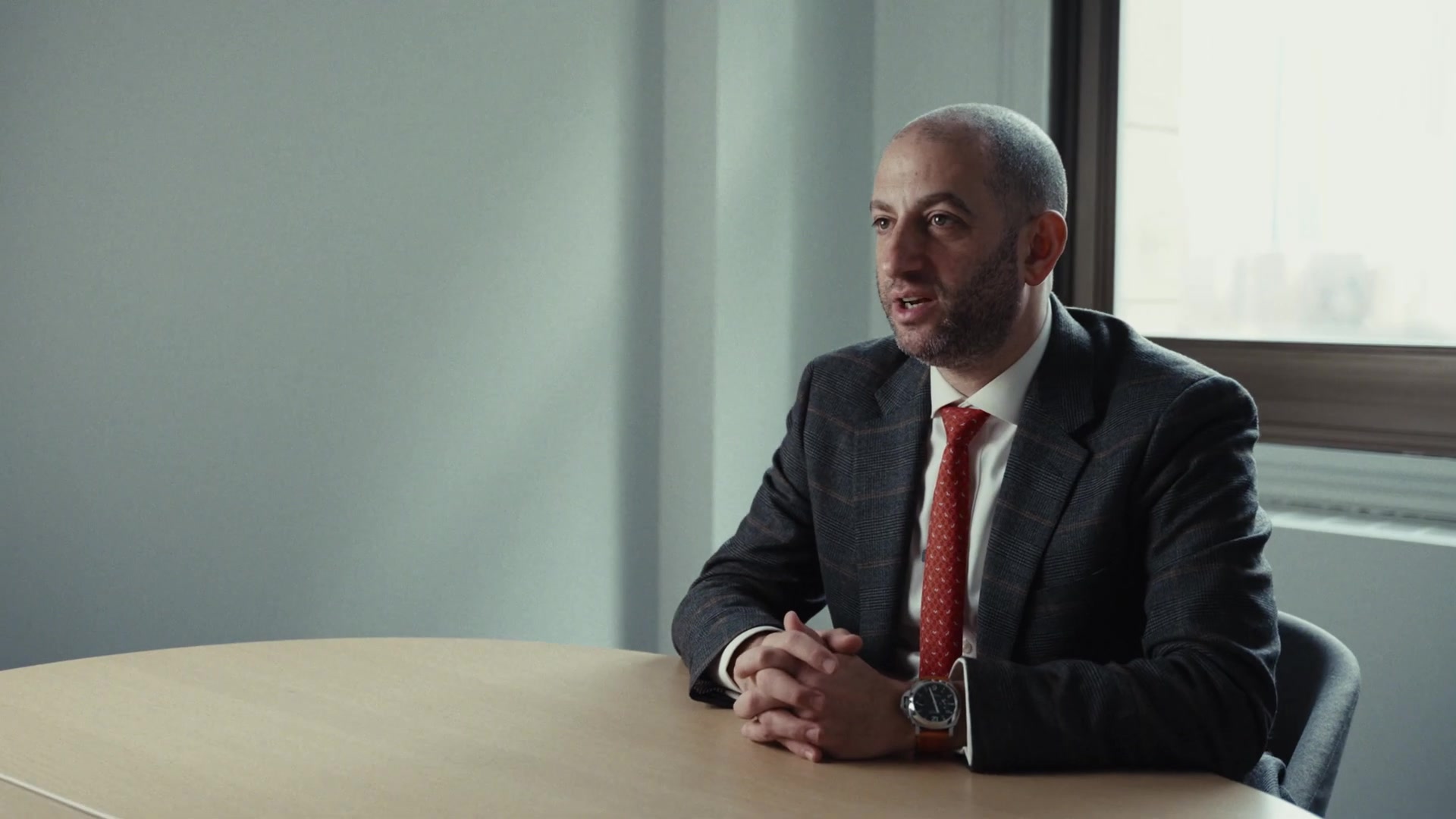
Todd Spodek
Lead Attorney & Founder
Featured on Netflix's "Inventing Anna," Todd Spodek brings decades of high-stakes criminal defense experience. His aggressive approach has secured dismissals and acquittals in cases others deemed unwinnable.
- Average sentence for possession: 92 months (7.6 years)
- Average sentence for distribution: 240 months (20 years)
- 28.5% of offenders received a sentence above the guideline range
So the penalties tend to be quite harsh, especially for distribution and more aggravated circumstances. This underscores how critical it is to have an experienced federal defense lawyer fighting for you.
A man discovered that his adult son had been downloading illegal images of minors onto a shared family computer. After reporting it to authorities, federal investigators seized the computer and informed him that hundreds of files were found, and now his son faces federal charges under 18 U.S.C. § 2252.
What kind of prison sentence is my son realistically facing under the federal sentencing guidelines for possession and receipt of child pornography?
Under federal law, simple possession of child pornography carries a mandatory minimum of 0 years but up to 10 years in prison, while receipt carries a mandatory minimum of 5 years and up to 20 years under 18 U.S.C. § 2252(b). The U.S. Sentencing Guidelines apply specific offense characteristics that can dramatically increase the guideline range — factors like the number of images, the age of the victims, whether the material depicts sadistic conduct, and whether a computer was used all trigger enhancements under USSG §2G2.2. A skilled federal defense attorney can argue for a downward variance by presenting mitigating factors such as lack of prior criminal history, mental health issues, or evidence that your son did not distribute the material. Early intervention by counsel is critical because negotiating with prosecutors before indictment can sometimes result in reduced charges that avoid the harshest mandatory minimums.
This is general information only. Contact us for advice specific to your situation.
Potential Sentencing Departures and Reductions
While the guidelines are advisory, they carry a lot of weight. But there are some opportunities for a skilled attorney to argue for a lower sentence:
- Downward departures for specific mitigating factors (e.g. diminished capacity, aberrant behavior)
- Safety valve provision for certain non-violent offenders to get below mandatory minimums
- Substantial assistance departure if the defendant provides valuable cooperation
- Arguing for a non-guideline reasonable sentence based on the circumstances