





Abuse of controlled prescription medication has been on the rise in recent years. Law enforcement and the court system have been battling the unauthorized sale of controlled substances, and they take this issue very seriously in New York and all across the country. If you are charged with a violation of Penal Code 178.25, you need to understand what the code says and know what your legal rights entail for a defense. Following is a breakdown of penal code 178.25, an example illustrating an infraction of the law, and possible defenses that a good attorney could use to either reduce the charges or get them dropped altogether.
Penal Code 178.25 Broken Down
New York Penal Code 178.25 states that a person is guilty of criminal diversion of prescription medications and prescriptions in the first degree when they transfer a prescription medication or device to someone for money when they know the recipient has no medical need for it. Another aspect of the law is when a person receives a medical prescription or device from someone they know does not have the legal authority to sell it to them. When the monetary amount exceeds $50,000, this constitutes criminal diversion in the first degree. Penal Code 178.25 applies to both a seller and a buyer when they know that legal authorization is not present.
Need Help With Your Case?
Don't face criminal charges alone. Our experienced defense attorneys are ready to fight for your rights and freedom.
- 100% Confidential
- Response Within 1 Hour
- No Obligation Consultation
Or call us directly:
(212) 300-5196Violation of Penal Code 178.25 is considered a class C felony, which is extremely serious. If convicted, sentencing could include state prison time of up to 15 years, probation of up to 5 years, and a substantial fine.
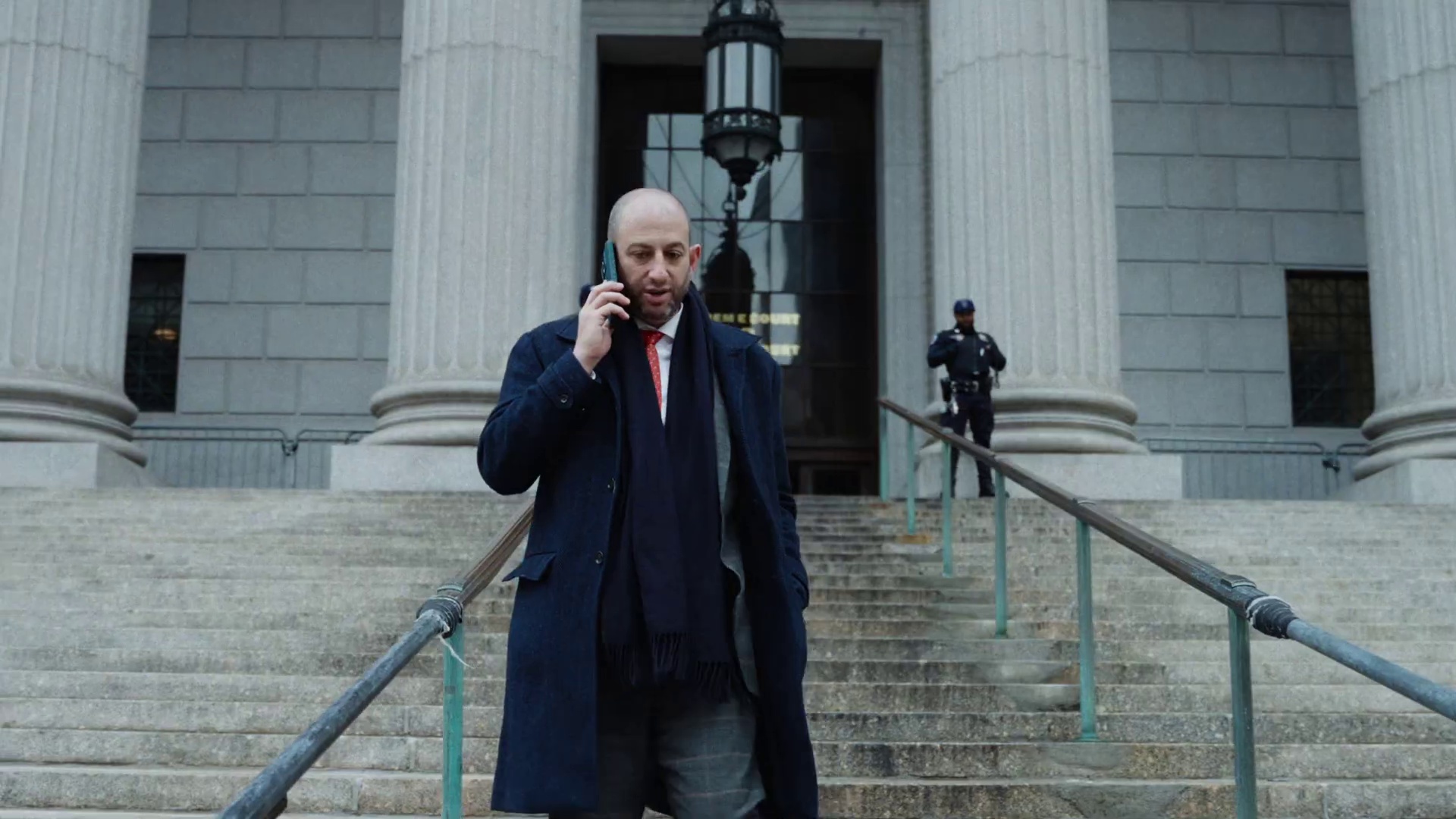
Todd Spodek
Lead Attorney & Founder
Featured on Netflix's "Inventing Anna," Todd Spodek brings decades of high-stakes criminal defense experience. His aggressive approach has secured dismissals and acquittals in cases others deemed unwinnable.
A registered nurse discovered that a colleague had been diverting oxycodone from the hospital pharmacy by altering patient records, and both were arrested after an investigation. The nurse was charged under New York Penal Code 178.25 with Criminal Diversion of Prescription Medications and Prescriptions in the First Degree, even though she claimed she had no involvement in the scheme.
What does the prosecution need to prove for a first-degree criminal diversion charge, and how can I defend myself if I had no knowledge of the diversion?
Under New York Penal Code 178.25, Criminal Diversion of Prescription Medications in the First Degree is a Class D felony, meaning the prosecution must prove you knowingly diverted or helped divert prescription controlled substances on a significant scale. The key element is intent — the state must demonstrate beyond a reasonable doubt that you actively participated in the diversion scheme rather than merely being present in the workplace where it occurred. A strong defense strategy would challenge the evidence linking you to the altered records and establish that you had no knowledge of or involvement in your colleague's actions. Given the severity of a Class D felony, which carries up to seven years in prison, it is critical to have experienced counsel review the surveillance evidence, pharmacy logs, and any statements made during the investigation.
This is general information only. Contact us for advice specific to your situation.