Grand Jury Secrecy Rules: What You Can and Cannot Disclose
The secrecy belongs to the institution. The witness is not the institution.
Federal Rule of Criminal Procedure 6(e) imposes a comprehensive secrecy requirement on federal grand jury proceedings. The rule binds a defined category of persons: grand jurors, government attorneys, court reporters, interpreters, and others who participate in the proceedings in an official capacity. It does not, as a matter of federal law, bind the witnesses who testify before the grand jury.
Who Is Bound by Rule 6(e)
The persons subject to Rule 6(e)’s secrecy obligations are those whose participation in the grand jury is official and whose disclosure of proceedings could compromise the investigation, expose witnesses to retaliation, or undermine the grand jury’s independence. Grand jurors may not discuss the proceedings with anyone outside the grand jury room, including family members, for the duration of their service and beyond. Prosecutors and their staff may not disclose grand jury materials except in narrowly defined circumstances.
Witnesses occupy a different position. A person who testifies before a federal grand jury may, unless subject to a specific court order prohibiting disclosure, discuss their testimony and the questions asked of them with whomever they choose. The federal rules do not gag the witness.
The government is bound by the secrecy rules. You, as a witness, generally are not. The asymmetry is rarely explained to witnesses, which is itself a form of information management.
State Law and Court Orders
Federal Rule 6(e) governs federal proceedings. State grand jury proceedings are governed by state procedural rules, which vary. Some states impose explicit secrecy obligations on witnesses. Others do not. The applicable rule depends on the jurisdiction in which the grand jury sits.
A federal court may also issue a specific order imposing secrecy obligations on a witness in connection with a particular investigation. Such orders are not routine, but they are available when the government can demonstrate that disclosure would compromise the investigation. A witness who is subject to such an order and who discloses grand jury information in violation of it may be subject to contempt.
Need Help With Your Case?
Don't face criminal charges alone. Our experienced defense attorneys are ready to fight for your rights and freedom.
- 100% Confidential
- Response Within 1 Hour
- No Obligation Consultation
Or call us directly:
(212) 300-5196Whether you are subject to any such order is information your attorney will obtain as part of representation. It is not information that will necessarily be volunteered to you by the prosecutor.
The Strategic Implications of What You Can Disclose
A witness who has testified before a federal grand jury and who is not subject to a secrecy order may share their testimony with their attorney, with family members, and with others involved in the same investigation. This ability has genuine strategic value. Witnesses who coordinate accounts with the assistance of counsel, operating within the bounds of lawful conduct, are in a fundamentally different position than witnesses who assume they are prohibited from discussing anything.
The line between lawful coordination and obstruction is worth understanding precisely. Discussing your own testimony with your own attorney is lawful and encouraged. Discussing what you believe other witnesses may have said, for the purpose of aligning accounts, enters more complicated territory. The distinction requires judgment that counsel is positioned to provide.
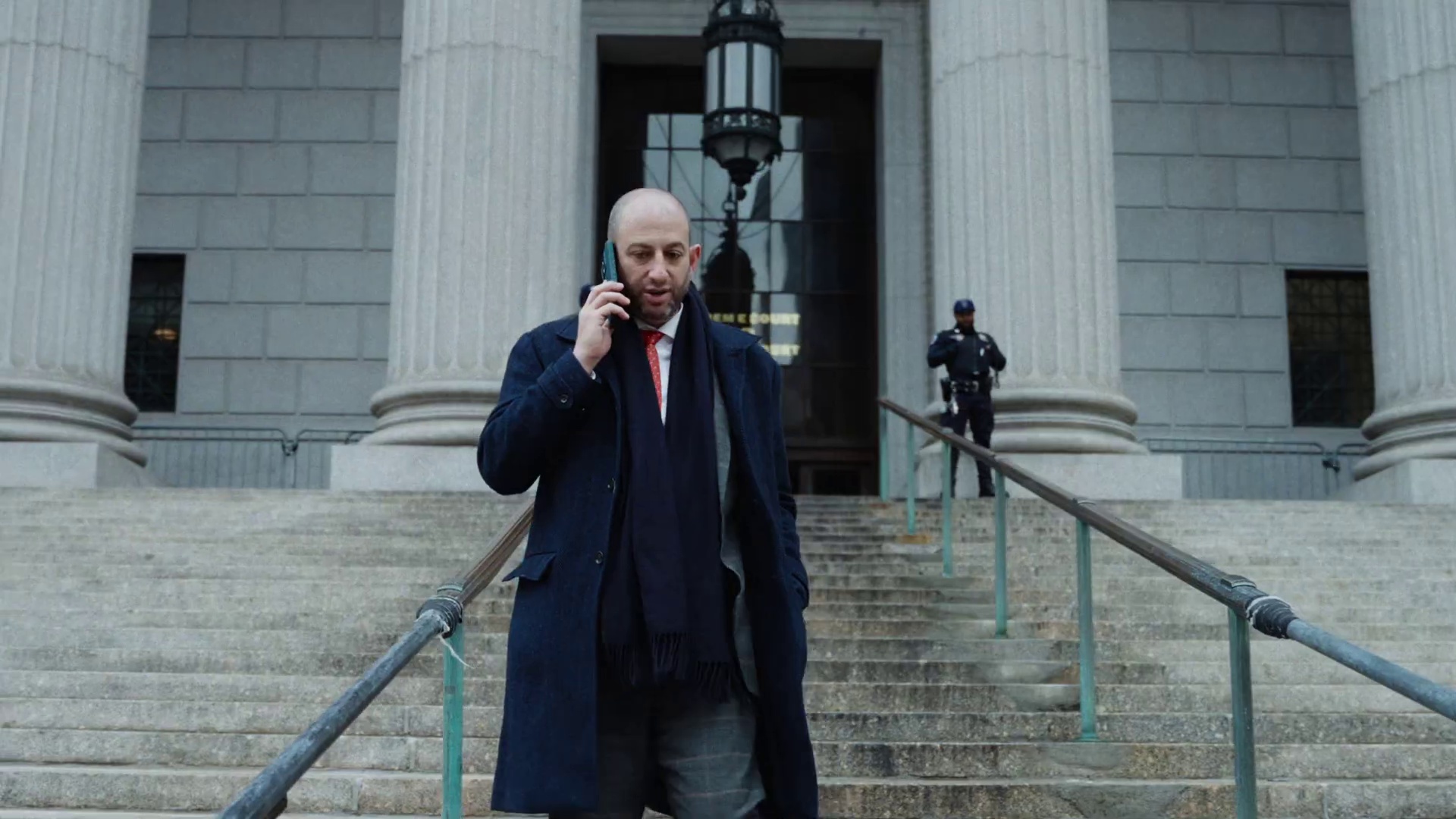
Todd Spodek
Lead Attorney & Founder
Featured on Netflix's "Inventing Anna," Todd Spodek brings decades of high-stakes criminal defense experience. His aggressive approach has secured dismissals and acquittals in cases others deemed unwinnable.
What the Government Knows About What You Disclosed
The government is aware that witnesses talk. Investigators monitor communications in some investigations. Cooperating witnesses report conversations. The assumption that what you discuss privately will remain private is an assumption that the specific circumstances of the investigation may not support.
Discussing your testimony with your attorney is protected by the attorney-client privilege. Discussing it with others is not. The protection follows the conversation’s destination, not its content.
Understanding the contours of secrecy in grand jury proceedings is one of the first things counsel will address after you have been subpoenaed. It is not a question that should be answered by assumption.