




Welcome to Federal Lawyers. If you’re facing federal drug trafficking charges in Columbus, you need to understand something that challenges everything most people assume about Ohio. Columbus has been identified as the drug trafficking capital of the state. Not Cleveland with its industrial decay and urban density. Not Cincinnati with its proximity to Kentucky smuggling routes. Columbus – the city known for Ohio State football, insurance companies, and state government.
That designation isn’t a fluke or a statistical quirk. It reflects a geographic reality that makes Columbus the most strategically valuable city in the Midwest for drug trafficking organizations. Two major interstate highways intersect in Columbus: I-70 runs coast-to-coast from Baltimore to Utah, and I-71 connects Cleveland in the north to Cincinnati in the south. This intersection creates the literal crossroads of America for drug distribution – and federal prosecutors treat every case that passes through here with corresponding intensity.
Our goal at Federal Lawyers is giving you the unfiltered truth about federal prosecution in Columbus. The Southern District of Ohio handles drug cases with the sophistication of a border district while sitting 1,500 miles from Mexico. Mexican drug trafficking organizations have established Columbus as their primary wholesale distribution point for the entire region. Understanding what that means for your case isn’t optional – it’s the foundation of any defense strategy that has a chance of working.
The Trafficking Capital Nobody Expected
Heres the reality that catches most people completley off guard. When federal investigators trace drugs found in West Virginia coal towns or rural Appalachian Ohio, the supply chain leads back to Columbus stash houses. The opioid crisis devastating communities across the region dosent originate at some distant border crossing – it originates in residential neighborhoods here in Franklin County.
Columbus serves as the wholesale distribution hub for a territory stretching into West Virginia, western Pennsylvania, and the Northern District of Ohio. Drugs arrive from California and Mexico via commercial vehicles. There unloaded into stash houses across the city. Then there redistributed to regional traffickers who carry them into communities that have been ravaged by overdose deaths for years. The heartland capital of Ohio is the engine driving the Appalachian addiction crisis.
This role explains why federal enforcement here is so agressive. Prosecutors in the Southern District of Ohio arent just charging local dealers. There dismantling the distribution networks that feed drugs to an entire region. One organization operated out of more then 20 Columbus residences simultaniously, distributing fentanyl, heroin, cocaine, methamphetamine, and other narcotics to customers and larger regional traffickers alike. The scale of these operations determins the scale of federal response.
Need Help With Your Case?
Don't face criminal charges alone. Our experienced defense attorneys are ready to fight for your rights and freedom.
- 100% Confidential
- Response Within 1 Hour
- No Obligation Consultation
Or call us directly:
(212) 300-5196The prosecution approach reflects the wholesale distribution role. When investigators build cases in Columbus, there not focused on individual transactions. There tracing entire supply chains – from California source suppliers to Columbus stash houses to regional distribution networks to final customers in Appalachian communities. Everyone in that chain faces conspiracy liability for the full quantities moved. Your exposure isnt limited to what you personaly handled. Its everything the conspiracy moved through every node in the network.
Mexican drug trafficking organizations have dominated the Columbus wholesale market for over a decade. Federal intelligence reports describe there control as “unrivaled and increasing.” The organizations that operate here arent street-level dealers improvising distribution – there sophisticated logistics operations that have chosen Columbus strategicaly. The drugs they move are destined for communities throughout the Midwest and Appalachia. The money they generate flows back to Mexico through elaborate laundering networks. The federal response matches the scale of what there fighting.
Where I-70 Meets I-71
The geography of Columbus explains everything about why cartels chose this city. Interstate 70 runs directly across the country – from Baltimore through Indianapolis and St. Louis all the way to Utah. Interstate 71 connects the major Ohio cities vertically, running from Cleveland through Columbus to Cincinnati. These highways intersect in Columbus and only in Columbus.

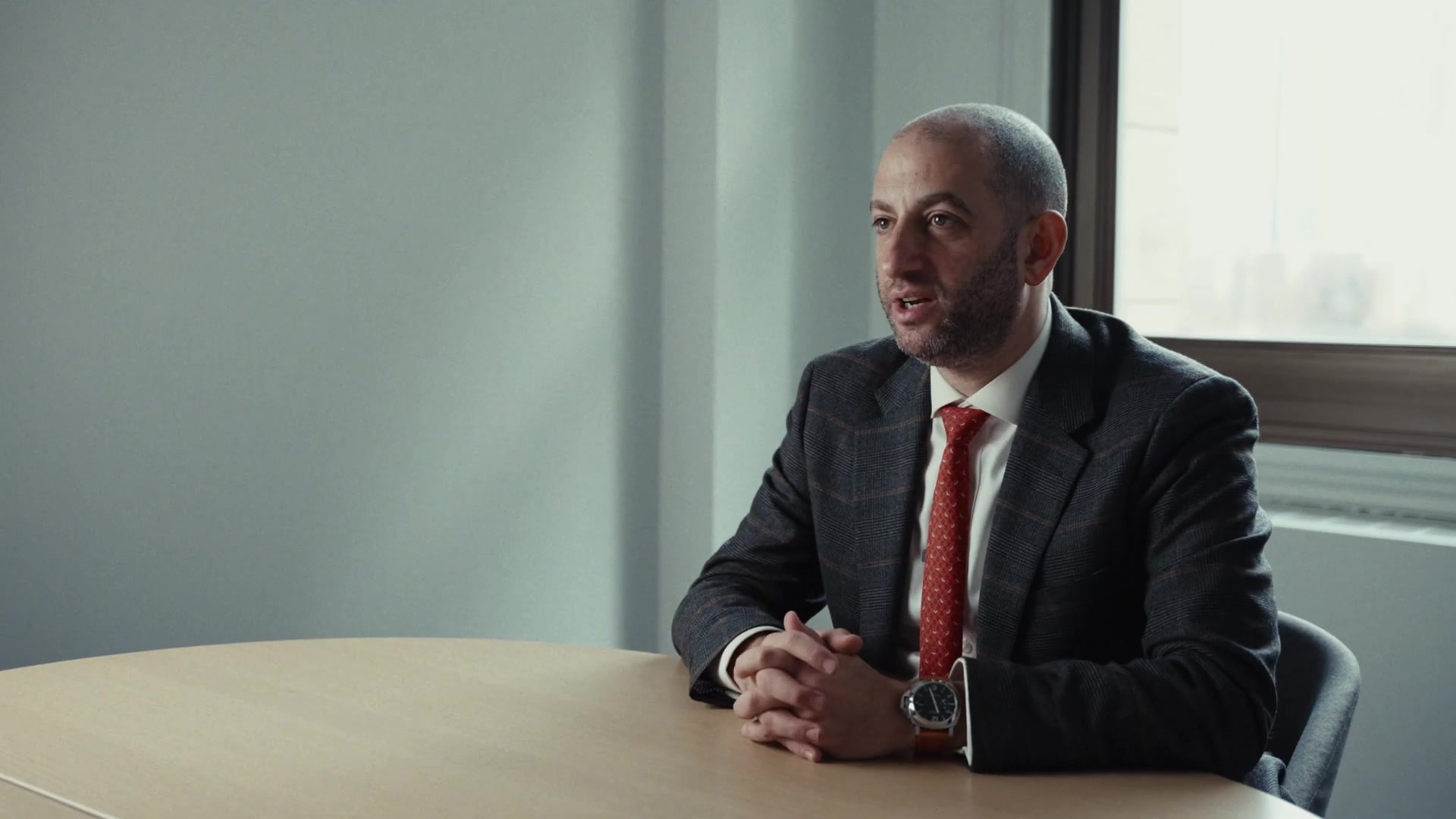
Todd Spodek
Lead Attorney & Founder
Featured on Netflix's "Inventing Anna," Todd Spodek brings decades of high-stakes criminal defense experience. His aggressive approach has secured dismissals and acquittals in cases others deemed unwinnable.
That intersection creates logistical advantages that no other Ohio city can match. A semi-truck carrying drugs from California can reach Columbus via I-70 and then distribute product north toward Cleveland, south toward Cincinnati, or east toward West Virginia – all without leaving the interstate system. The same infrastructure that makes Columbus attractive for Amazon fulfillment centers and corporate distribution operations makes it equally attractive for drug trafficking organizations.
Your roommate was arrested after police found 250 grams of fentanyl in your shared Columbus apartment, and now federal agents are saying you're equally responsible because the drugs were in a common area. You had no idea your roommate was involved in trafficking, but the DEA is pressuring you to cooperate or face the same mandatory minimum sentence.
Can I really be charged with federal drug trafficking just because drugs were found in an apartment I share with someone else?
Under 21 U.S.C. § 841, the government must prove you knowingly possessed the drugs with intent to distribute — mere proximity or shared living space is not enough to establish constructive possession. However, prosecutors in the Southern District of Ohio often use circumstantial evidence like text messages, cash, or drug paraphernalia to argue you had knowledge and control. With 250 grams of fentanyl triggering a mandatory minimum of 10 years under federal sentencing guidelines, it is critical that you do not speak to agents without counsel present, as anything you say during that cooperation pitch can and will be used against you. An experienced Columbus federal defense attorney can challenge the government's theory of constructive possession and potentially negotiate a more favorable outcome.
This is general information only. Contact us for advice specific to your situation.
Federal investigators understand this geography intimatley. The Ohio Highway Patrol and HIDTA task forces concentrate there interdiction efforts on I-70 and I-71. Commercial vehicles get stopped and searched using drug-detecting technology. Surveillance operations monitor trucking terminals and rest stops. When investigators identify a vehicle carrying contraband, there not just seizing the drugs – there building conspiracy cases that stretch backward to source suppliers and forward to distribution networks.
The crossroads position means Columbus defendants face a particular kind of exposure. Cases here routinley involve multiple states and multiple federal districts. A conspiracy that started in California and terminated in West Virginia passes through the Southern District of Ohio. Prosecutors here coordinate with there counterparts in other districts to build comprehensiv cases that encompass the entire trafficking operation. The defendant who thought he was helping with local distribution discovers his case involves interstate conspiracy charges carrying mandatory minimum sentences.