Can I Refuse to Testify Before a Federal Grand Jury?
Refusal is not the right word. The Fifth Amendment is.
A subpoena commanding grand jury testimony is a court order. Noncompliance, in the ordinary sense of simply declining to appear, is punishable as contempt. The federal courts possess broad contempt authority, and a witness who ignores a grand jury subpoena may find themselves confined until they agree to testify. Refusal, understood as a simple decision not to comply, is not a legally available option.
The Fifth Amendment is different. It is a constitutional protection that permits a witness to decline to answer specific questions whose truthful answers might tend to incriminate them. The distinction between these two concepts is the distinction that determines what options you actually possess.
The Scope of Fifth Amendment Protection in Grand Jury Proceedings
The Fifth Amendment applies in grand jury proceedings as it applies in any formal proceeding where testimony is compelled. A witness may invoke the protection against self-incrimination on a question-by-question basis. The invocation must be specific to questions that pose a genuine risk of incrimination. A blanket refusal to answer any question, including questions whose answers could not conceivably incriminate the witness, will not be sustained by a court.
The practical administration of Fifth Amendment rights in a grand jury setting requires judgment that is difficult to exercise without counsel available. The witness sits alone in the room. The attorney waits outside. Between questions, the witness may consult with counsel, but the consultation requires leaving the room, which may itself attract attention and consume the time the grand jury is prepared to offer.
The Fifth Amendment does not protect against embarrassment, inconvenience, or the disclosure of information that is merely unfavorable. It protects against compelled self-incrimination. The line between those categories is not always visible without assistance.
Immunity and the Limits of Silence
The government may overcome a Fifth Amendment assertion by granting immunity. Federal immunity statutes permit prosecutors to compel testimony from a witness who has invoked the Fifth Amendment by providing use immunity, protection against the direct use of the testimony or its fruits in any prosecution of the witness, or transactional immunity, protection against any prosecution for the transactions described in the testimony.
Need Help With Your Case?
Don't face criminal charges alone. Our experienced defense attorneys are ready to fight for your rights and freedom.
- 100% Confidential
- Response Within 1 Hour
- No Obligation Consultation
Or call us directly:
(212) 300-5196Use immunity is the more common form. It is also the form that provides less comprehensive protection, because it does not prevent prosecution based on evidence the government can demonstrate it obtained independently of the compelled testimony. Whether the government can actually make that showing in any given case is a question that has produced substantial litigation.
A witness who receives a grant of immunity and then refuses to testify may be held in contempt and confined for the duration of the grand jury’s term, which may extend for years.
Targets and the Decision Not to Testify
A target of the grand jury investigation has a categorically stronger basis for invoking the Fifth Amendment than a witness does. Department of Justice guidelines advise that targets who are called to testify be informed of their right not to do so. In practice, targets who have been notified of their status through a target letter almost never testify.

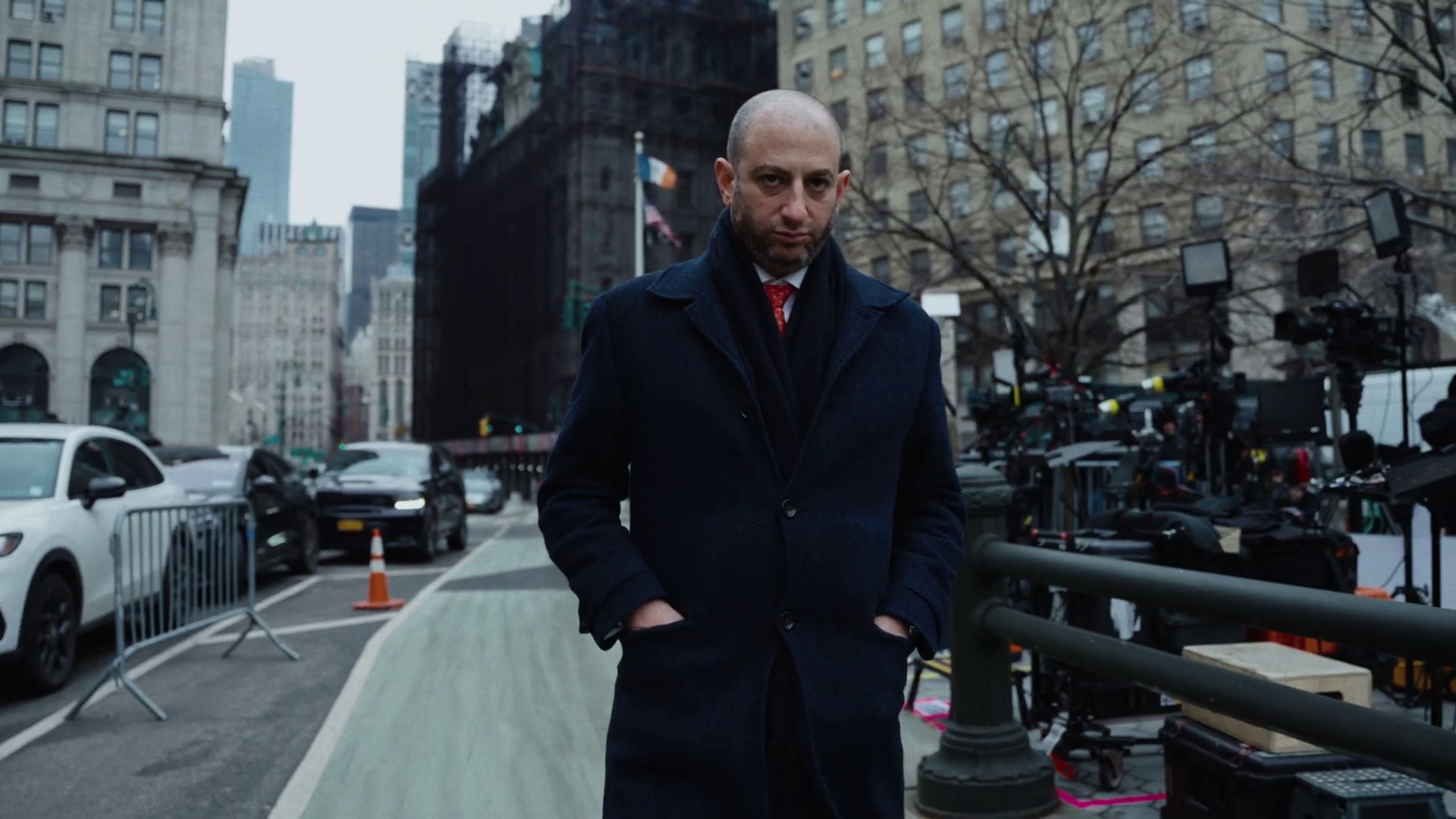
Todd Spodek
Lead Attorney & Founder
Featured on Netflix's "Inventing Anna," Todd Spodek brings decades of high-stakes criminal defense experience. His aggressive approach has secured dismissals and acquittals in cases others deemed unwinnable.
The asymmetry of the grand jury room is most pronounced for a target. The prosecutor possesses the full evidentiary record. The target does not know which questions are designed to confirm what the government already believes and which are designed to create a record of inconsistencies. The Fifth Amendment exists, in part, precisely for this structural imbalance.
The Path Forward
The decision about whether to testify, what to invoke, and on which questions, is a legal and strategic decision that requires counsel who understands the investigation’s scope. It is not a decision that should be made in the minutes between receiving the subpoena and appearing.
If you have received a subpoena commanding grand jury testimony, retain counsel before you appear, before you communicate with the prosecutor’s office, and before you make any assessment of whether your answers could incriminate you. That assessment requires information you do not yet have.