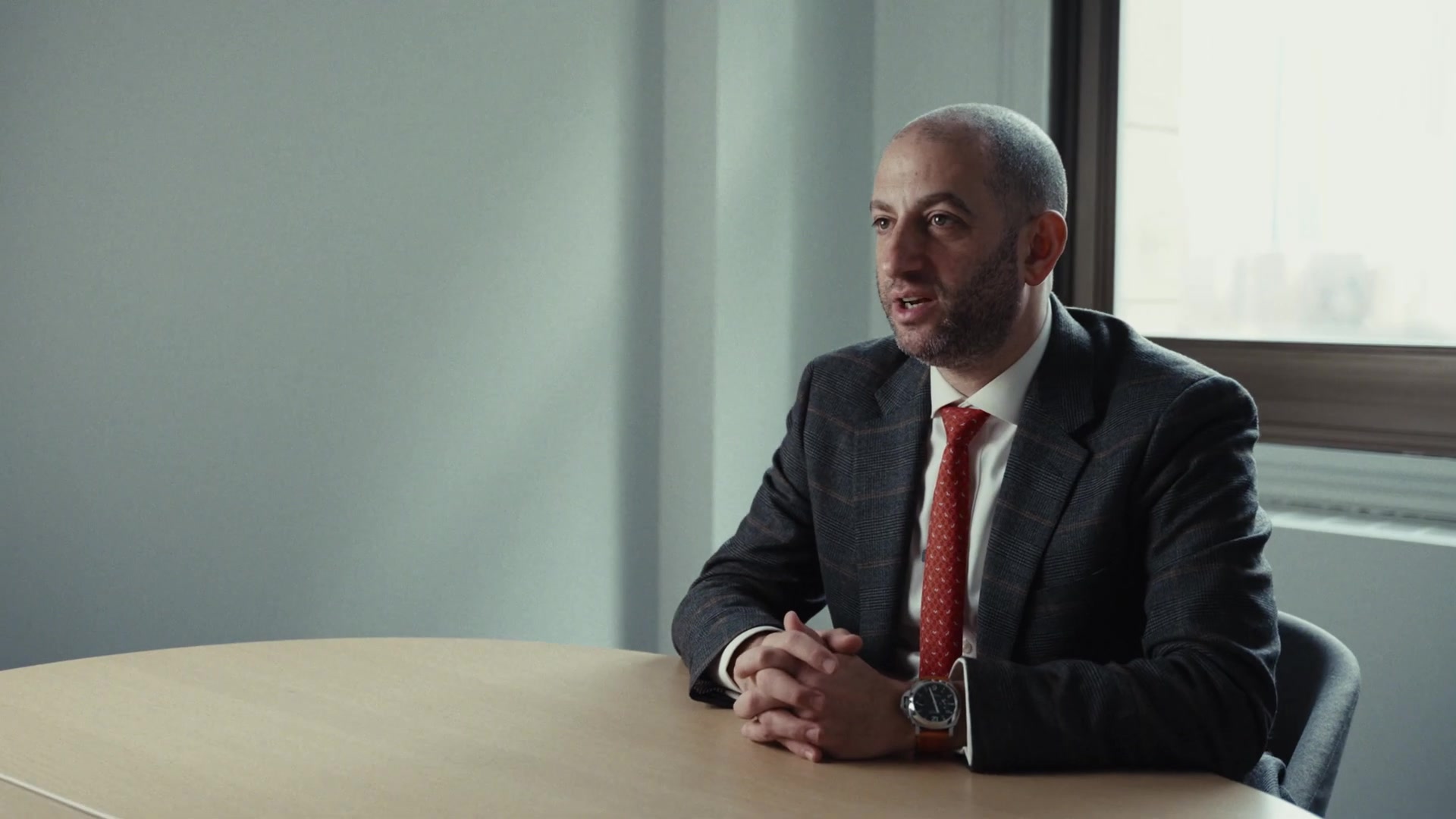
Can I Refuse to Talk to FBI Agents?
Yes. The answer has no asterisk.
A citizen who is not under arrest has no legal obligation to speak with FBI agents. The Fifth Amendment’s protection against compelled self-incrimination, the Fourth Amendment’s protection against unreasonable seizure of person, and the fundamental principle that cooperation with federal law enforcement is voluntary rather than compelled all support the same conclusion. You may decline to speak. You may do so without explanation. You may do so without consequence to any legal right you currently possess.
What you may not do, having decided to speak, is lie. That asymmetry is the one most people do not fully appreciate when they weigh their options at the door.
The Voluntariness of FBI Interviews
FBI agents conduct interviews in a variety of contexts: at the subject’s home, at their place of business, at the FBI field office, or in the neutral environment of a coffee shop or parking lot. In none of those contexts, absent a formal subpoena or an arrest, is the person being interviewed legally required to participate. The interview is voluntary. Its voluntary character does not change because agents appear unannounced, because there are two of them, or because the subject is in a professional environment where refusing to speak feels socially or professionally awkward.
Agents are trained in techniques that make voluntary interviews feel obligatory. They are also trained to present themselves as reasonable, interested, and open to hearing the subject’s perspective. That presentation is part of the technique. The interview’s voluntary character persists regardless of how it feels.
The False Statements Trap
18 U.S.C. 1001 makes it a federal crime to make a materially false statement to a federal agent in connection with a matter within federal jurisdiction. The statute applies to voluntary interviews. It applies to casual conversations at the door. It applies to any statement made to an FBI agent in which the agent can subsequently establish that the statement was false, that it was material to the investigation, and that it was made knowingly and willfully.
The person who speaks voluntarily and incorrectly has committed a crime that did not exist before they opened their mouth. The person who declined to speak has not.
Need Help With Your Case?
Don't face criminal charges alone. Our experienced defense attorneys are ready to fight for your rights and freedom.
- 100% Confidential
- Response Within 1 Hour
- No Obligation Consultation
Or call us directly:
(212) 300-5196This is not a theoretical concern. Section 1001 prosecutions have followed from single conversations with FBI agents that occurred at the subject’s home, lasted less than thirty minutes, and addressed topics the subject believed were peripheral to any serious inquiry. The crime requires no elaborate deception. An inconsistency between what the subject said and what the agents’ records established was true is sufficient.
How to Decline
Declining to speak with FBI agents does not require rudeness, hostility, or an elaborate explanation. A brief statement suffices. You may tell the agents that you are not in a position to speak without counsel, that your attorney will be in contact, and that you appreciate their visit. You may then close the door.
Agents may indicate that your refusal will be noted, that it makes the matter more complicated, or that people who cooperate early tend to fare better. Some of those representations are accurate in some circumstances. None of them changes the legal character of the choice you are making. Consultation with counsel before that choice is made is the mechanism for understanding which of those representations applies to your specific situation.
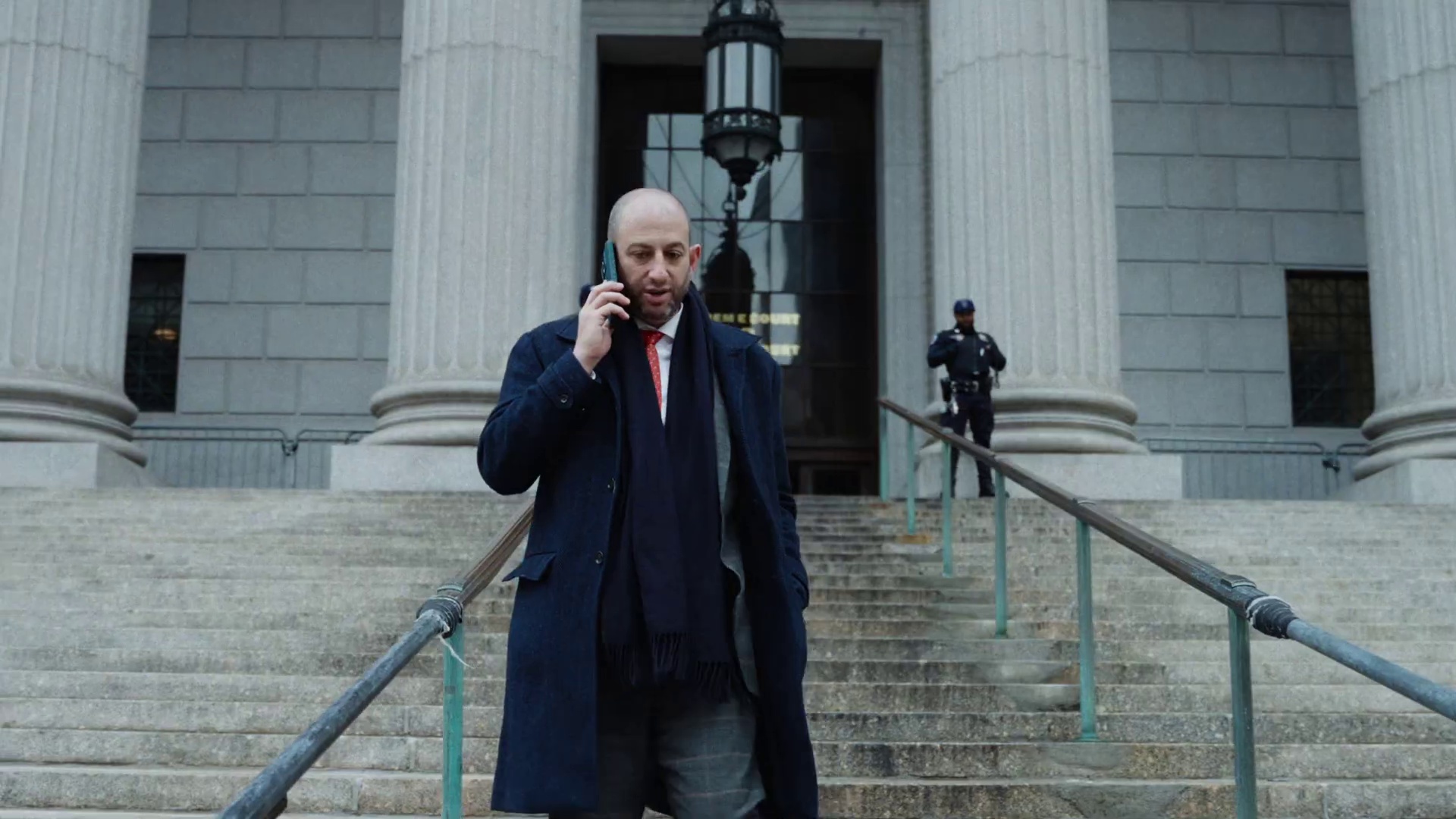
Todd Spodek
Lead Attorney & Founder
Featured on Netflix's "Inventing Anna," Todd Spodek brings decades of high-stakes criminal defense experience. His aggressive approach has secured dismissals and acquittals in cases others deemed unwinnable.
The Decision to Speak
There are circumstances in which speaking with FBI agents, through counsel and under carefully defined conditions, serves the subject’s interests. Proffer agreements, formal cooperation arrangements, and controlled voluntary disclosures are legitimate mechanisms for engaging with federal investigators in a manner that preserves some protection for the speaker. Those mechanisms are designed for represented parties who have assessed their exposure and made a deliberate strategic decision.
They are not the equivalent of the doorstep interview. The doorstep interview, in the absence of preparation, is not a mechanism for strategic engagement. It is an opportunity for agents to gather evidence from an unprepared witness.
Retain counsel before speaking. That sequence is available to you and it is the one that preserves the most.