






The conversation with federal agents is not where the defense begins. It is where the prosecution’s evidence often does.
The structural asymmetry of an interview between a federal agent and an unrepresented subject has been described throughout this series of articles in different contexts. Here it is worth stating plainly and completely, as a single argument, because the person who has not yet retained counsel and who is considering speaking with federal agents needs to understand what they are actually deciding when they make that choice.
What the Agent Knows That You Do Not
When FBI agents, IRS special agents, or other federal investigators appear to interview you, they have been assigned to a matter that has been under investigation for some period of time. That period may be months. It may be years. The investigation has produced documents, financial records, and witness accounts that the agents have reviewed and that have informed the questions they intend to ask you. The questions are not exploratory. They are confirmatory, designed to see whether your account of events is consistent with the evidence the agents already possess.
You do not know what that evidence is. You do not know which questions are designed to test the accuracy of information the agents already have, which are designed to produce new information the investigation has not yet established, and which are designed to create a record that can be used against you if your account changes. You are answering questions whose purpose you cannot assess because you do not know the evidentiary context in which the answers will land.
The Section 1001 Hazard, Revisited
The false statements statute imposes criminal liability on any person who makes a materially false statement in any matter within federal jurisdiction, without requiring that the statement be made under oath. A voluntary interview with federal agents is a matter within federal jurisdiction. Every statement you make in that interview is a potential Section 1001 statement. Every inconsistency between what you say and what the agents’ records establish is true is a potential Section 1001 violation.
This is not a theoretical concern. It is the mechanism by which individuals who were not the primary subjects of the investigations that generated their prosecutions became defendants. The investigation of one person produces an interview of another. The other person’s account contains an inconsistency. The inconsistency is prosecuted. The original investigation’s subject may or may not ever face charges. The person who answered questions without counsel faces a charge that arose from the answer.
Need Help With Your Case?
Don't face criminal charges alone. Our experienced defense attorneys are ready to fight for your rights and freedom.
- 100% Confidential
- Response Within 1 Hour
- No Obligation Consultation
Or call us directly:
(212) 300-5196What Counsel Provides That You Cannot Provide Yourself
An attorney retained before any interview with federal agents provides several things that the interview subject cannot provide themselves. Counsel can investigate the matter independently before any interview occurs, using the information available through client communications, records review, and in some cases direct contact with the prosecuting office, to develop an understanding of the investigation’s direction and the evidence it has assembled.
Counsel can then advise on whether the interview should occur at all, whether it should occur in a formal protected setting with a proffer agreement, and if it occurs, which questions to answer and which to decline. Counsel present at the interview can object to questions that exceed the agreed scope, can request recesses to advise the client, and can create a contemporaneous record that is protected by the work product doctrine.
The unrepresented subject who speaks to federal agents has made a unilateral decision about a situation they do not fully understand, in a forum governed by rules they have not been advised of, to people whose job is to gather evidence. The decision is not illegal. It is simply the one that most consistently produces regret when the process that follows it makes clear what was at stake when it was made.
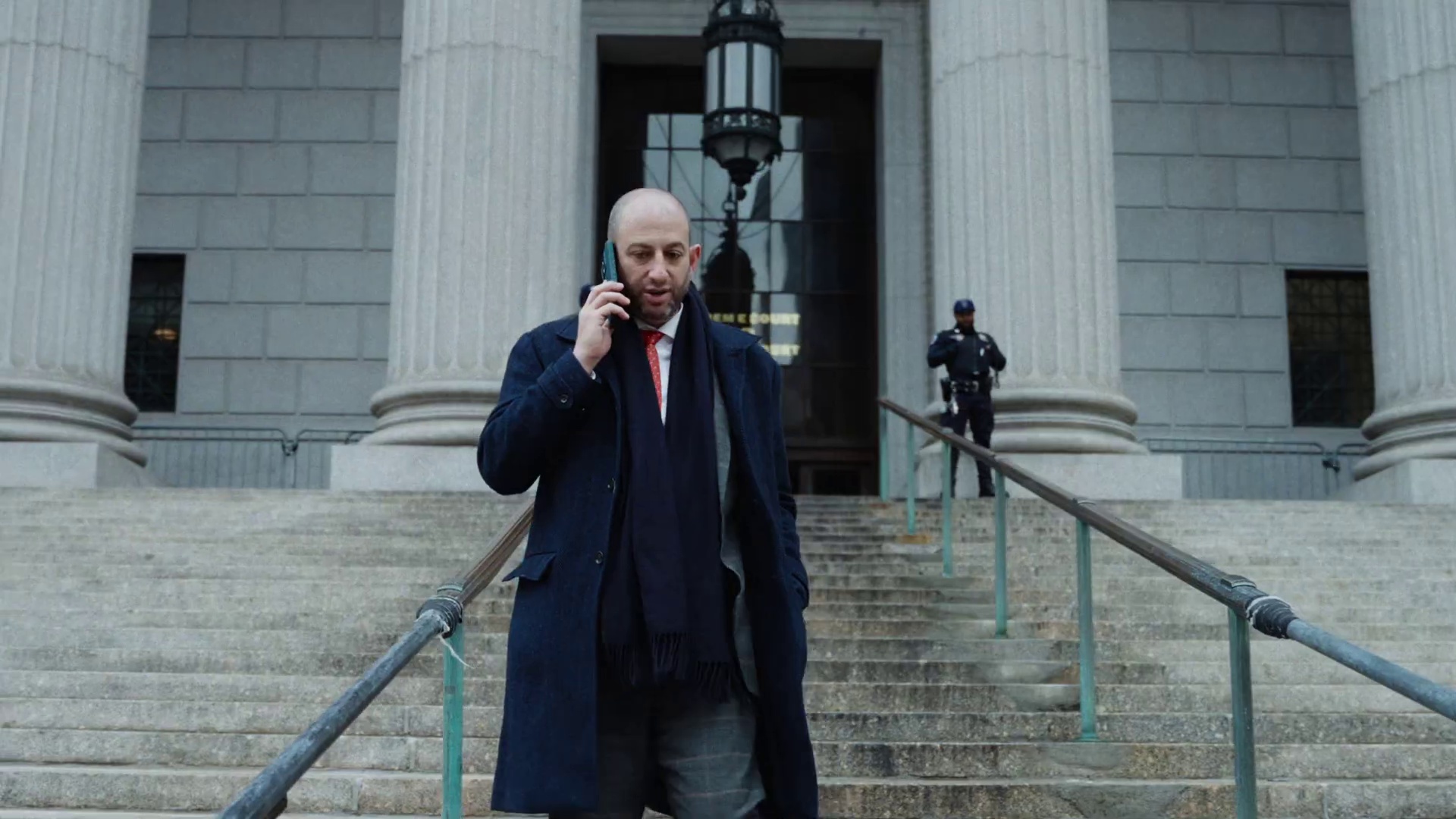
Todd Spodek
Lead Attorney & Founder
Featured on Netflix's "Inventing Anna," Todd Spodek brings decades of high-stakes criminal defense experience. His aggressive approach has secured dismissals and acquittals in cases others deemed unwinnable.
A federal agent calls you and says they "just want to ask a few questions" about a business transaction.
Is it safe to talk to them informally?
There is no such thing as an informal conversation with a federal agent. Under 18 U.S.C. 1001, making any false statement to a federal agent is a felony, even without being under oath. Always consult an attorney before speaking with investigators.
This is general information only. Contact us for advice specific to your situation.
The Timing of Retention
Counsel should be retained before the first contact with federal investigators, not after. If agents have already appeared and the interview has already occurred, counsel should be retained immediately after, before any subsequent contact. The statements made in the prior interview are the starting point for counsel’s assessment of the situation, not a fact that changes the need for representation.
The consultation that follows any contact with federal investigators, or that precedes any anticipated contact, is the consultation that permits the situation to be managed rather than experienced. The difference between managing a federal investigation and experiencing one is largely the difference that the timing of that consultation produces.
