





Spousal communications receive two distinct forms of legal protection in federal proceedings, and their scope is more limited than most practitioners assume when they discuss the investigation with their spouse.
The two spousal privileges recognized in federal law are the spousal testimonial privilege and the confidential marital communications privilege. Each applies in different circumstances, each protects different things, and each has exceptions that the government can invoke to overcome the protection. Understanding which privilege applies to a specific communication and whether any exception defeats it requires legal analysis, not a general assumption that spousal conversations are protected.
The Spousal Testimonial Privilege
The spousal testimonial privilege permits a witness to refuse to testify against their spouse in a federal criminal proceeding, and in the federal system, the privilege belongs to the witness spouse. The spouse who is called to testify may refuse to do so; the defendant spouse cannot prevent the testifying spouse from choosing to testify if they wish to. The privilege applies only to testimony about events and observations occurring during the marriage and is not available after divorce.
In federal court, the rule established by the Supreme Court in Trammel v. United States in 1980 gives the witness spouse, not the defendant spouse, the authority to waive the testimonial privilege. A spouse who chooses to cooperate with the government and testify against their partner cannot be prevented from doing so by the defendant spouse’s invocation of the privilege.
The Confidential Marital Communications Privilege
The confidential marital communications privilege protects private communications between spouses made during the marriage in reliance on the confidential character of the marital relationship. The privilege protects the communication itself, not merely the testimony about it. Either spouse may assert the privilege to prevent disclosure of the communication.
Need Help With Your Case?
Don't face criminal charges alone. Our experienced defense attorneys are ready to fight for your rights and freedom.
- 100% Confidential
- Response Within 1 Hour
- No Obligation Consultation
Or call us directly:
(212) 300-5196The protection applies to communications that were intended to be confidential and that were made in private. A conversation between spouses in their home, about the investigation’s subject matter, intended to be kept between them, is potentially within the privilege’s scope. A conversation that occurred in the presence of others, that was subsequently disclosed to third parties, or that was not reasonably intended to be confidential may not be protected.
The Exceptions
Both spousal privileges have exceptions that the government can invoke to overcome them. The joint participants exception eliminates the confidential marital communications privilege when both spouses participated in the alleged criminal activity. A husband and wife who together participated in the prescribing scheme, the billing fraud, or the financial structuring of the proceeds are joint participants, and their communications about the jointly undertaken criminal activity may not be protected.
The government’s assertion that both spouses were participants in the criminal activity, and that their communications were therefore not protected by the confidential communications privilege, is an argument that courts must resolve based on the evidence of each spouse’s participation. The exception does not eliminate the privilege simply because the government asserts it; it requires a showing of actual joint participation in the criminal conduct.
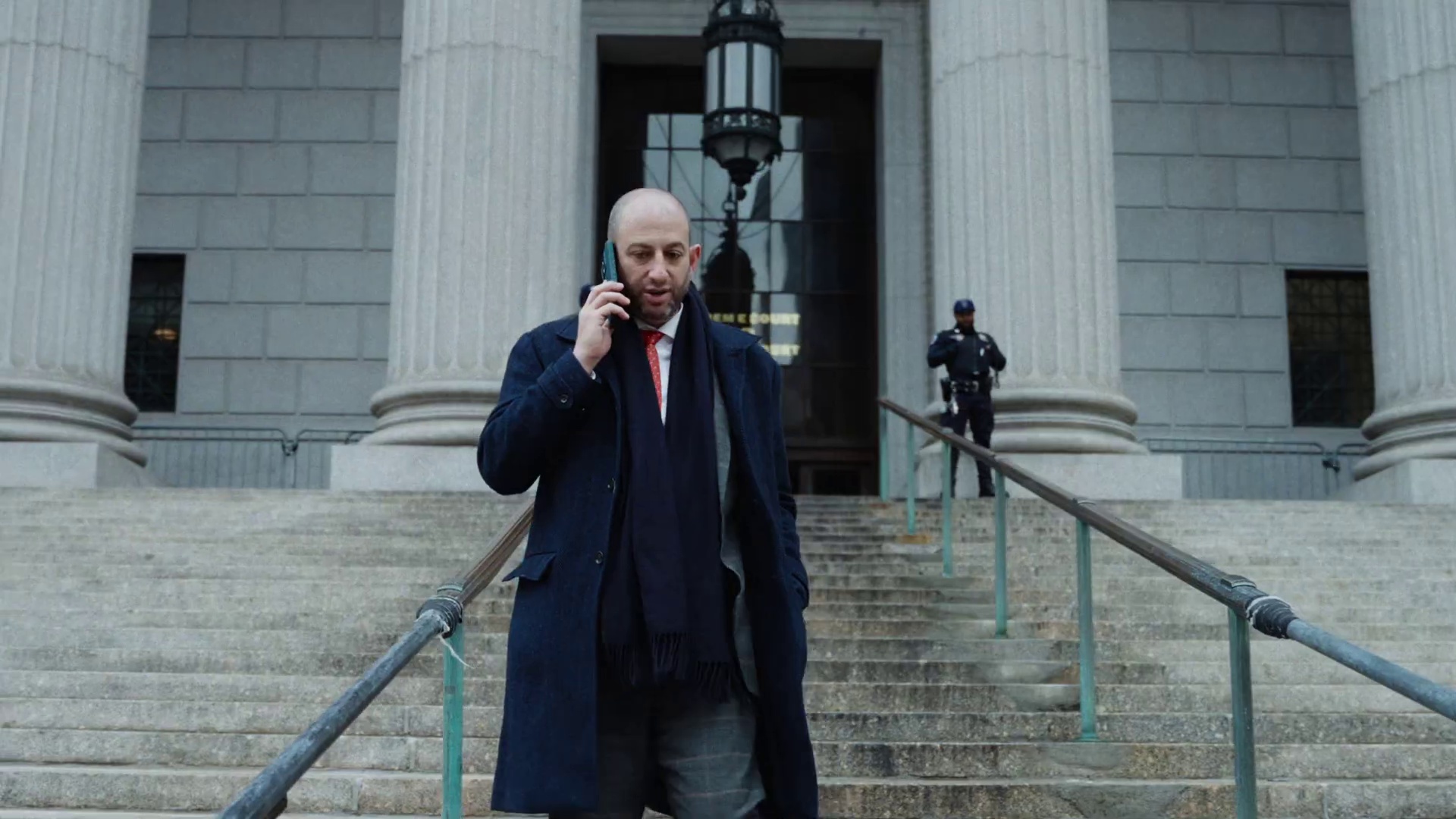
Todd Spodek
Lead Attorney & Founder
Featured on Netflix's "Inventing Anna," Todd Spodek brings decades of high-stakes criminal defense experience. His aggressive approach has secured dismissals and acquittals in cases others deemed unwinnable.
The spousal privilege protects communications between spouses. It does not protect a spouse from being called as a witness about events they personally observed that did not involve a spousal communication. A spouse who was present at the practice, who processed prescriptions, who observed patient encounters, or who participated in billing has personal knowledge of those events that is not protected by any spousal privilege, regardless of what conversations occurred between the spouses about those events.
Practical Guidance
The practitioner who has discussed the investigation extensively with their spouse has shared information that may be accessible to the government through the spouse’s testimony, depending on the specific circumstances and the applicable exceptions. The guidance that applies to discussions with friends and family applies equally to discussions with a spouse, with the modification that spousal privilege may provide some protection for specific confidential communications made during the marriage. The degree of protection depends on the facts, and counsel should assess those facts before any spousal communications become relevant in a proceeding.