





Welcome to Federal Lawyers. Our goal is to help you understand why the official 6-year record retention guidance could destroy your ability to defend yourself—and what you should actually be keeping. If you’re here because you want to finally shred that PPP paperwork and move on with your life, you need to read this first.
Here’s what most people don’t understand: the SBA says keep your PPP records for 6 years. But the statute of limitations for PPP fraud is 10 years. If you destroy your records following official guidance in year 6 and then get investigated in year 8, you’ll have nothing to prove you used the funds correctly. And here’s the part that should really concern you—your lender has EVERYTHING you submitted. The government made sure of that. In August 2024, they extended lender retention requirements to 10 years specifically to “ensure PPP loan records remain available to law enforcement.” They kept the evidence. They didn’t require you to keep yours.
The official guidance creates a trap. You follow the rules, shred your documents, and then discover years later that the government has your complete file while you have nothing to rebut their interpretation. This isn’t hypothetical. This is how the system was designed. The people who get caught are the ones who trusted the government’s outdated 6-year guidance without understanding the 10-year reality.
The 6-Year Lie: Why SBA Guidance Is Dangerously Outdated
Heres the thing about the SBA’s 6-year retention guidance that nobody is telling you: it was written BEFORE Congress extended the fraud statute of limitations to 10 years. The guidance is technicaly correct for SBA administrative purposes. Its completly inadequate for your criminal defense.
In August 2022, President Biden signed the PPP and Bank Fraud Enforcement Harmonization Act. That law extended the statute of limitations for PPP fraud from 5 years to 10 years. It gave prosecutors twice as long to charge you. But the SBA never updated there borrower retention guidance to match. You’re following rules that were created before the enforcement landscape changed.
Think about what this actualy means. The SBA says 6 years. Prosecutors have 10 years. Theres a 4-year gap were the government can still charge you but your records are gone. Years 7, 8, 9, and 10 are exposure without defense. You destroyed the evidence that could prove your innocence becuase the government told you it was safe to do so.
The SBA’s 6-year guidance was written before Congress extended the fraud statute to 10 years—you’re following outdated rules. Look at the dates. Statute extension: August 2022. SBA guidance: unchanged from before. The asymmetry wasnt accidental. It was deliberate.
And heres the irony that should keep you awake at night: if you followed official guidance and shredded your records after 6 years, you did exactly what the government hoped you would do. You eliminated your defense while they preserved there evidence. The system worked as designed—just not in your favor.
The August 2024 Rule: They Extended Their Retention, Not Yours
OK so if the government really cared about borrowers having records, they would have updated the 6-year guidance when they extended the statute, right? They didnt. Instead, they did something far more revealing.
In August 2024, the SBA issued an interim final rule extending LENDER records retention requirements from 6 years to 10 years. Not borrower requirements. Lender requirements. The Federal Register notice explains exactly why: to “harmonize” with the extended statute of limitations and “ensure that PPP loan records remain available to law enforcement while they continue to investigate and prosecute PPP fraud.”
Read that language carefully. They extended retention to make sure records remain available to law enforcement. Not to protect borrowers. Not to ensure fair defense. To prosecute fraud. The government built the infrastructure to charge you for the full 10-year window. They made sure THEY have evidence. They didnt require YOU to keep evidence.
Heres the hidden connection most people miss entirely. Congress extended the statute in August 2022. The SBA extended lender retention in August 2024. These actions are coordinated enforcement strategy. Extend the prosecution window. Extend the evidence preservation. Keep everything available for prosecution. The system was built to catch PPP fraud years after the fact.
At Federal Lawyers, weve watched this unfold in real time. Clients come in assuming there records are long gone. Then they discover that there lender has every document they ever submitted—available to prosecutors for the full 10-year window. The asymmetry is striking. The government has your file. You dont have your file.
Need Help With Your Case?
Don't face criminal charges alone. Our experienced defense attorneys are ready to fight for your rights and freedom.
- 100% Confidential
- Response Within 1 Hour
- No Obligation Consultation
Or call us directly:
(212) 300-5196The 4-Year Gap: When They Have Evidence and You Don’t
Let that sink in for a moment. Theres a 4-year window were the government can prosecute you but you have no records to defend yourself. Years 7, 8, 9, and 10 after your last fraudulent act. Thats were people get destroyed.
Think about the timeline. You got your PPP loan in April 2020. You filed for forgiveness in late 2021. Following SBA guidance, you could destroy your records in late 2027—6 years after forgiveness. But your statute of limitations runs until late 2031—10 years after forgiveness. Thats 4 years were prosecutors can charge you and you have nothing to contradict there interpretation of your lenders file.
Your lender has your original loan application. They have your forgiveness application. They have every bank statement you submitted. Every payroll record. Every tax document. Every certification you signed. All of it preserved until at least 2031 or 2032 depending on when you filed for forgiveness. The government made sure of it with that August 2024 rule.
But you? If you followed official guidance, you have nothing. You shredded everything in year 6 becuase thats what the SBA told you to do. You were trying to clean up old files. You were trying to move on. You were following the rules. And you destroyed your only defense.
Heres the uncomfortable truth: in years 7 through 10, the prosecution has asymmetric advantage. They have your complete file. You have your memory—which fades, which can be wrong, which dosent hold up against documented evidence. They can point to specific documents you submitted. You cant point to anything becuase you shredded it.
What Destruction Could Cost You: Obstruction on Top of Fraud
Destroying records after 6 years following official guidance could become a separate federal obstruction charge. This is the part that really should terrify you.
If you destroy records and the government later investigates, prosecutors might argue you destroyed evidence. Obstruction of justice. Spoliation of evidence. These are seperate federal crimes that can be charged on top of whatever underlying fraud they think you committed. Sometimes the cover-up is worse then the crime.
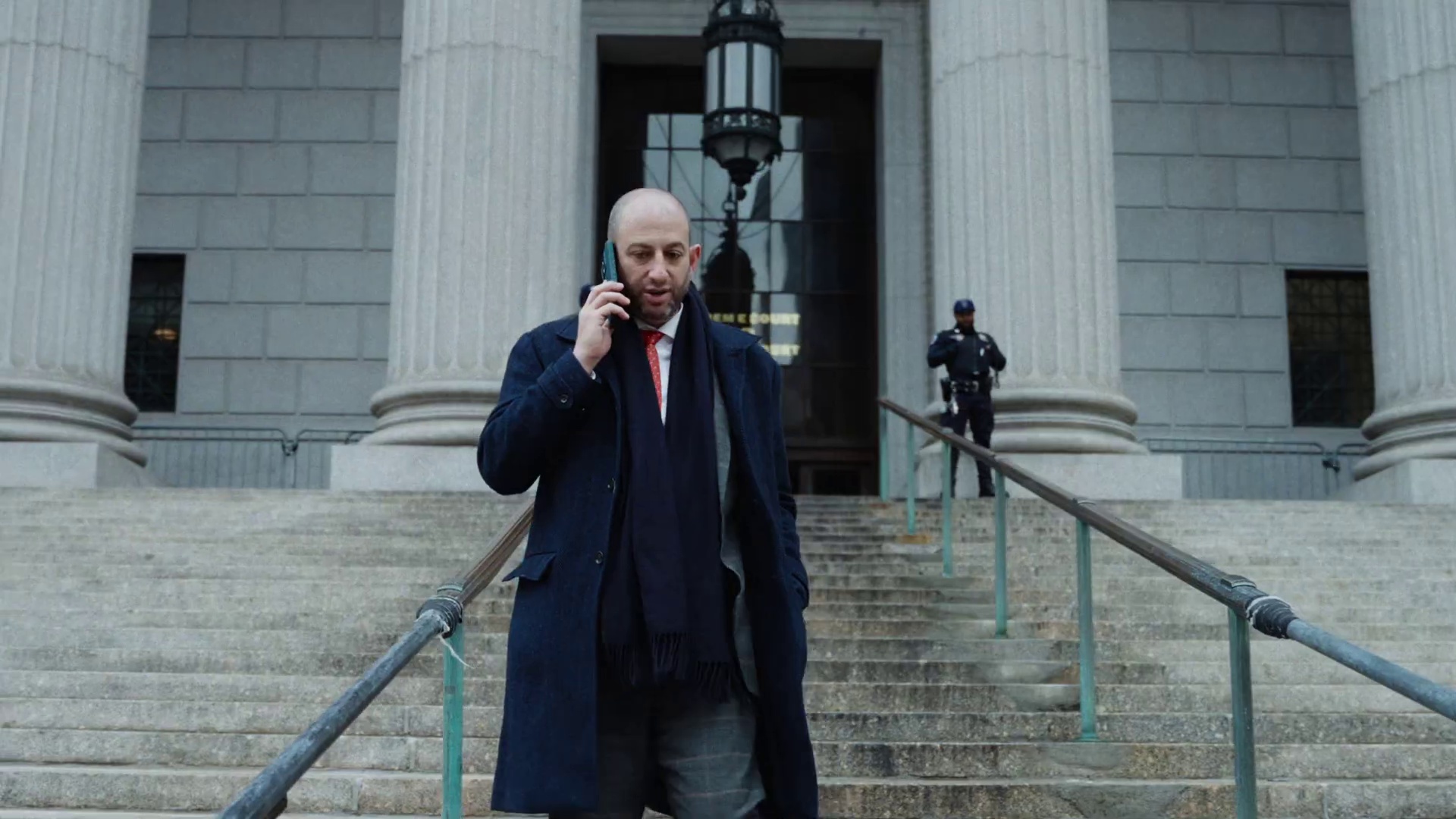
Todd Spodek
Lead Attorney & Founder
Featured on Netflix's "Inventing Anna," Todd Spodek brings decades of high-stakes criminal defense experience. His aggressive approach has secured dismissals and acquittals in cases others deemed unwinnable.
You might think “but I followed official guidance—thats not obstruction.” Thats a defense you can make at trial. Thats not a guarentee you wont be charged. Prosecutors have discretion. If they think you destroyed evidence to hide fraud, they can charge you with obstruction even if you were technicaly following outdated SBA guidance. Whether that charge sticks is a diffrent question then wheather it gets filed.
The records you shred could become the crime that convicts you. Not the original PPP fraud—the destruction of evidence. You turned questionable conduct into definite misconduct by destroying documentation. The government dosent have to prove you committed fraud if they can prove you destroyed evidence of fraud.

You submitted a PPP loan application during COVID and now realize some employee count numbers may have been inaccurate.
Could this be considered fraud?
Inaccuracies in PPP applications can trigger federal fraud charges carrying up to 20 years in prison. However, honest mistakes differ from intentional misrepresentation. Documentation of your good-faith efforts is critical to your defense.
This is general information only. Contact us for advice specific to your situation.
Think about this from the prosecutors perspective. You got a PPP loan in 2020. You filed for forgiveness in 2021. In 2027, you shredded all your records becuase the SBA said 6 years. In 2029, the government opens an investigation. They subpoena your records. You say “I dont have them—I destroyed them following SBA guidance.” Now they have a new angle. Why did you destroy records for a loan that might have been fraudulent? Your following of official guidance becomes evidence of consciousness of guilt in there narrative.
our lead attorney has seen this pattern play out. Clients who thought they were cleaning up old paperwork find themselves explaining why they destroyed evidence. Its not that there guilty of the underlying fraud—sometimes there not. Its that there now defending against obstruction charges on top of having to defend against fraud allegations they cant adequately rebut becuase there records are gone.
Consider the psychological impact of this situation. You recieved a subpoena asking for documents. You have to tell the government you destroyed them. Now every subsquent interaction with prosecutors happens in the shadow of that destruction. They question your motives. They question your credibility. They wonder what else you might have hidden. The innocent act of following official guidance becomes suspicious conduct in there narrative. You look like someone with something to hide—even if you were just trying to declutter your filing cabinets.
The safe harbor problem makes this worse. When the government extended lender retention to 10 years in August 2024, they created safe harbor protections for lenders who had already destroyed records under the old rules. Lenders who followed outdated guidance got protected. There was no equivilent safe harbor for borrowers. If you destroyed records following SBA guidance, you get no protection. The asymmetry is striking and deliberate—lenders are shielded, borrowers are exposed.