




So your probably facing obstruction of justice charges and your ABSOLUTELY SHOCKED because you thought you were just protecting yourself. Maybe you deleted some emails during an investigation. Maybe you told a witness not to cooperate with investigators. Or maybe prosecutors claim you lied to federal agents about what you knew. Look, we get it. Your COMPLETELY OVERWHELMED by these charges. And you should be TERRIFIED! Because federal obstruction of justice under 18 USC 1503 carries up to 20 YEARS in federal prison and prosecutors charge obstruction in almost EVERY federal investigation to punish defendants who don’t cooperate!
What Is Federal Obstruction of Justice?
Let me explain the prosecutorial weapon their using against you. Obstruction of justice is incredibly broad – covers ANY attempt to interfere with federal investigations, court proceedings, congressional inquiries, or administrative proceedings! Multiple overlapping statutes turn self-preservation into federal crimes!
There are SEVERAL obstruction statutes prosecutors use! Section 1503 covers obstruction of judicial proceedings, Section 1505 covers administrative and congressional proceedings, Section 1512 covers witness tampering and obstruction of official proceedings, Section 1519 covers document destruction! Each carries massive prison time!
Here’s what’s really scary – don’t need to succeed in obstructing – just “endeavoring” to obstruct is crime! Attempted obstruction is same crime as completed obstruction! We’ve seen convictions where investigation wasn’t actually impeded!
“Corruptly” is key element but broadly interpreted! Acting with intent to obtain improper advantage or impede administration of justice! Prosecutors claim ANY action protecting yourself is “corrupt” – deleting emails? Corrupt! Asserting Fifth Amendment before telling witness? Prosecutors call it corrupt!
What Are the Different Obstruction Statutes?
Multiple statutes with OVERLAPPING but different elements!
18 USC 1503 is the “Omnibus Clause” – catchall for obstruction of judicial proceedings including grand juries, trials, judges! Prohibits corruptly endeavoring to influence, intimidate, or impede any officer of court, juror, or witness! Maximum 10 years or 20 years if involves threats!
Section 1505 covers proceedings before Congress, federal agencies, and departments! Prohibits corruptly influencing, obstructing, or impeding pending administrative or congressional proceedings! Maximum 5 years or 8 years for terrorism-related cases!
But 1512 is prosecutors’ favorite! Covers witness tampering, document destruction, obstruction of official proceedings! Multiple subsections creating dozens of ways to violate! Can get 20 years for destroying documents or tampering with witnesses!
Need Help With Your Case?
Don't face criminal charges alone. Our experienced defense attorneys are ready to fight for your rights and freedom.
- 100% Confidential
- Response Within 1 Hour
- No Obligation Consultation
Or call us directly:
(212) 300-5196The Sarbanes-Oxley provisions (1512(c) and 1519) were added after Enron scandal! Target corporate document destruction but applied to EVERYONE! Deleting ANY record or document with intent to obstruct? 20 years maximum!
Prosecutors charge MULTIPLE statutes for same conduct! One email deletion? That’s 1503 (obstructing grand jury), 1512 (tampering with evidence), AND 1519 (destroying documents)! Three federal felonies for one delete button!
What Did the Supreme Court Rule in Fischer v. United States?
HUGE June 2024 ruling limiting Sarbanes-Oxley prosecutions!
Supreme Court held 6-3 that Section 1512(c)(2) only applies when defendant impairs availability or integrity of documents or objects used in official proceeding! Can’t prosecute general obstruction under this statute – must involve evidence impairment!
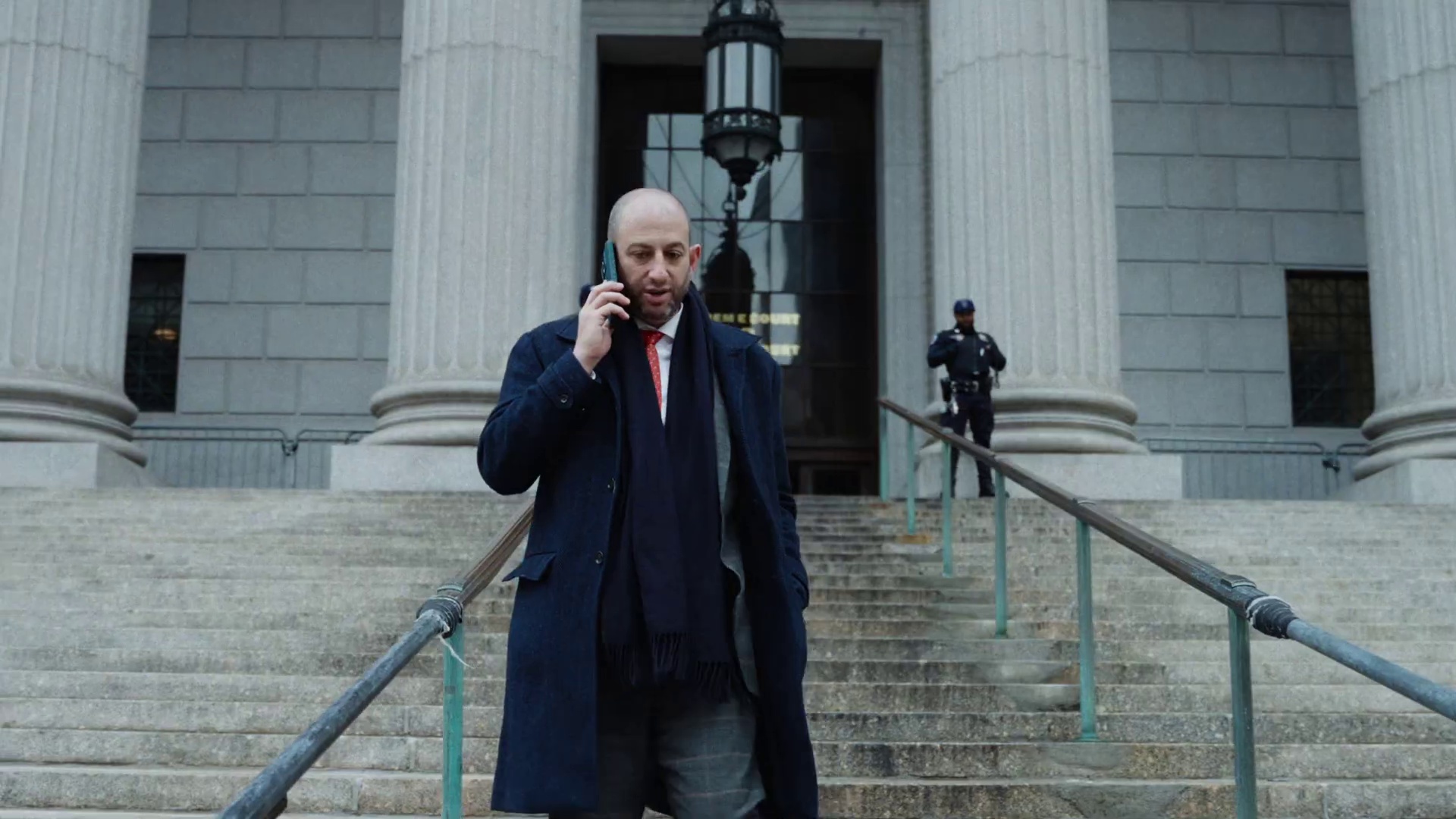
Todd Spodek
Lead Attorney & Founder
Featured on Netflix's "Inventing Anna," Todd Spodek brings decades of high-stakes criminal defense experience. His aggressive approach has secured dismissals and acquittals in cases others deemed unwinnable.
This came from January 6 cases where prosecutors charged defendants with obstructing congressional proceeding! Court said statute requires nexus to documents or records – can’t apply to physical obstruction or general interference! Prosecutors had been using Sarbanes-Oxley for EVERYTHING!
But here’s the trap – ruling only limits 1512(c)(2)! Doesn’t affect 1503, 1505, or other obstruction statutes! Prosecutors just charge different sections now! We’ve seen indictments adding 1503 counts after Fischer!

You received a federal grand jury subpoena for documents related to a government contract investigation, and in a panic you deleted several email threads and text messages from your phone before turning over your records. Two weeks later, FBI agents showed up at your door saying they recovered the deleted communications from your service provider and are now pursuing obstruction charges on top of the original investigation.
Can they really charge me with obstruction of justice for deleting those messages, even though I was scared and not trying to obstruct anything?
Under 18 USC 1512(c)(2), it is a federal crime to corruptly obstruct, influence, or impede any official proceeding, including a grand jury investigation — and intentionally destroying subpoenaed documents is one of the most common ways people trigger these charges. Prosecutors don't need to prove you had a sophisticated plan; they only need to show you acted 'corruptly,' meaning you knew the documents were relevant and deleted them with the intent to keep them from investigators. This charge alone carries up to 20 years in federal prison, often exceeding the penalties for the underlying offense being investigated. An experienced federal defense attorney can examine whether the subpoena language was ambiguous, whether your actions truly met the 'corrupt intent' standard, and whether any of your communications were protected by privilege — all of which are viable defense strategies that could lead to reduced charges or dismissal.
This is general information only. Contact us for advice specific to your situation.
The decision helps defendants charged under 1512(c)(2) for conduct not involving documents! If your accused of obstructing proceeding through testimony or persuading witnesses without destroying evidence, Fischer may provide defense! But prosecutors argue ruling is narrow!
We’re using Fischer aggressively! Any 1512(c)(2) charge not involving document destruction should be dismissed! But courts split on how broadly to interpret ruling! Some say covers only physical evidence, others include digital records!