





Welcome to Federal Lawyers. If you’re reading this, you’ve probably been told something that makes no sense: that you’re facing federal drug conspiracy charges even though you never touched drugs. You never sold anything. You never transported anything. Maybe you didn’t even know drugs were involved. And yet here you are, looking at mandatory minimum sentences and federal prison time.
Here’s what nobody explains until it’s too late: under 21 USC 846, you can go to federal prison for ten years without ever touching drugs, selling drugs, or seeing drugs. The government doesn’t need physical evidence of drugs in your possession. They don’t need to catch you mid-transaction. They need proof of one thing – that you agreed with someone else to violate federal drug laws. That’s the entire crime. The agreement itself.
This reality changes everything about how defense works in these cases. our lead attorney and the team at Federal Lawyers have seen this pattern destroy lives. Someone who thought they were just making introductions. Someone who lent a car without asking questions. Someone who passed along a phone number. These people end up facing the same charges as the dealers and traffickers at the center of the operation. Understanding why this happens – and what can be done about it – is where effective defense begins.
The Crime That Needs No Physical Evidence
Heres the part that confuses most defendants. Federal drug conspiracy under 21 USC 846 is whats called an “inchoate” offense. That means the crime is complete the moment an agreement exists. Unlike general conspiracy under 18 USC 371, no overt act is required. You dont have to do anything. You dont have to touch drugs. You dont have to make a phone call after the agreement. If you agreed with someone else to distribute drugs, your already guilty of conspiracy.
This is why “I never had any drugs” isnt a defense. This is why “I never saw any drugs” isnt a defense. The prosecution dosent need to prove you did anything beyond joining an agreement to violate drug laws. Thats the inversion that catches most defendants off guard – there looking for the physical evidence that proves there guilt when prosecutors only need to prove the agreement existed and you knew about it.
The elements are deceptively simple. The government must prove that an agreement existed between two or more persons to violate federal drug laws. That you knew about the agreement. That you voluntarily joined it with intent to further its objectives. Thats it. No drugs need to be recovered. No transactions need to succeed. No overt act needs to be proven.
Need Help With Your Case?
Don't face criminal charges alone. Our experienced defense attorneys are ready to fight for your rights and freedom.
- 100% Confidential
- Response Within 1 Hour
- No Obligation Consultation
Or call us directly:
(212) 300-5196Heres what makes this particulary dangerous. The agreement dosent need to be explicit. It dosent need to involve a meeting or a handshake or anything formal. A tacit understanding suffices. Courts find agreement in patterns – coordinated phone calls, text messages using coded language, wire transfers that follow suspicious timing, testimony from cooperating witnesses who say you were part of the operation. Prosecutors build these cases like puzzles, assembeling pieces over months or years before making any arrests. By the time your charged, there already confident they can prove agreement.
Convicted While Sitting in Prison
OK so heres were things get truley terrifying. Let me tell you about Daniel Pinkerton, becuase his story illustrates exactly how federal conspiracy law works.
Daniel Pinkerton was convicted of offenses his brother Walter committed while Daniel was literally sitting in prison. Read that again. He was incarcerated. He was behind bars. He wasnt present for any of the substantive crimes. And the Supreme Court upheld his conviction in Pinkerton v. United States (1946).
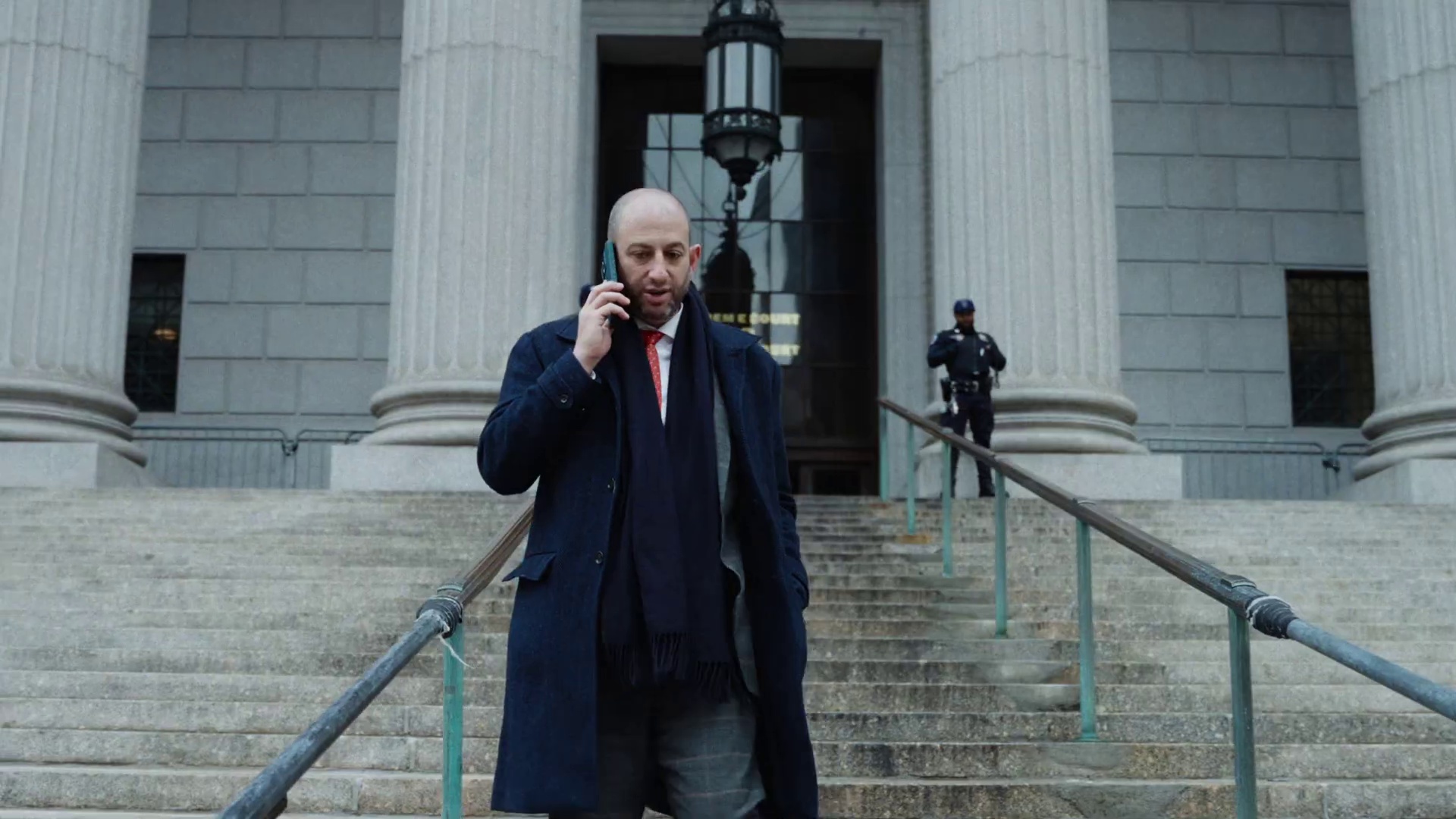
Todd Spodek
Lead Attorney & Founder
Featured on Netflix's "Inventing Anna," Todd Spodek brings decades of high-stakes criminal defense experience. His aggressive approach has secured dismissals and acquittals in cases others deemed unwinnable.
The conspiracy followed him through the cell door.

Your college roommate asked you to let someone use your apartment phone number as a contact, and months later federal agents arrested you claiming that phone was used to coordinate cocaine deliveries across state lines. You never saw any drugs, never received drug money, and had no idea your roommate was involved in a distribution network.
How can I be charged with federal drug conspiracy when I never possessed, sold, or even saw any drugs?
Under 21 U.S.C. § 846, the government does not need to prove you ever possessed or handled drugs — they only need to show you knowingly agreed to participate in a drug trafficking scheme, even in a minor role. Prosecutors will use circumstantial evidence like phone records, your proximity to co-conspirators, and financial patterns to argue you knew about and facilitated the operation. The dangerous reality is that under Pinkerton v. United States, you can be held liable for every foreseeable act your alleged co-conspirators committed, which means you could face the same mandatory minimums as the actual drug dealers. An experienced federal defense attorney can challenge whether the government can actually prove you had knowledge of and intent to join the conspiracy, which are essential elements they must establish beyond a reasonable doubt.
This is general information only. Contact us for advice specific to your situation.
Under the Pinkerton doctrine, every crime commited by any co-conspirator in furtherance of the conspiracy – whether you knew about it or not, whether you were present or not – becomes YOUR crime. As long as the crime was reasonably forseeable and in furtherance of the conspiracy you joined, your responsible. You dont have to participate. You dont have to know about it. You just have to have been part of the conspiracy when it happened.
Think about what that means practically. Your part of a network, and someone else in that network sells heroin to an undercover officer. You werent there. You didnt know about the sale. But if it was in furtherance of the conspiracy and reasonably forseeable that this type of transaction would occur, you can be convicted of that sale. The driver who made one delivery faces the same exposure as the person who coordinated the entire operation.