





Welcome to Federal Lawyers. We understand that if you’re reading this, federal agents probably just executed a search warrant at your home or business – and then left without arresting anyone. You’re sitting there right now trying to figure out what that means. Most people assume no arrest is good news. They feel relief. That relief is going to be dangerous for you, and heres why.
Federal prosecutors do not execute search warrants at the beginning of an investigation. They execute them when they’re 80-90% ready to indict you. The raid wasn’t the start of your problems – it was the evidence-gathering finale. The absence of arrest doesn’t mean you’re in the clear. It means they’re still building the case. They’re waiting on digital forensics. They might be targeting others connected to you first before coming back for you.
Think about it from the prosecutor’s perspective. Why would they show their hand with a dramatic raid and then walk away? They wouldn’t. Unless they needed something specific from your home or business to complete their case. That’s exactly what happened. And now you’re in a waiting period that could last months or even years. The question isnt whether charges are coming. The question is when – and what you should be doing right now to prepare.
Why No Arrest Feels Like Relief (And Why Thats Dangerous)
The psychology here makes sense on a basic human level. Armed federal agents kicked in your door or showed up at 6am with a warrant. They went through your stuff for hours. Then they left. Your still standing in your own home. Your not in handcuffs. Your not being processed at a federal detention facility. The natural reaction is relief – you dodged something terrible.
Heres the problem with that thinking. Federal investigations dont work the way state cases do. When local police raid a drug house, they usually arrest people on the spot because there catching them in the act. Federal cases are different. The FBI and federal prosecutors build cases methodicaly over months or years before executing search warrants. By the time agents show up at your door, the investigation has been going on for a long time already.
The search warrant execution is typically one of the final steps in evidence gathering. According to federal criminal defense practioners, prosecutors are generaly 80-90% ready to indict when they execute a search warrant. They dont need to arrest you on the spot because they already know who you are and where to find you. Your not a flight risk in there minds yet – your a target who just gave them more evidence.
Need Help With Your Case?
Don't face criminal charges alone. Our experienced defense attorneys are ready to fight for your rights and freedom.
- 100% Confidential
- Response Within 1 Hour
- No Obligation Consultation
Or call us directly:
(212) 300-5196The relief you feel right now might be the most dangerous emotion you could have. It creates complacency. People who feel relieved dont hire lawyers immediatly. They dont start building defenses. They wait to see what happens. And while there waiting, federal agents are analyzing every file on there seized computers, every text message on there phones, every document they took from your home. The clock is ticking against you and you dont even realize it.
What the Raid Actually Means in Federal Investigation Timeline
Heres a statistic that should reframe how your thinking about this situation. 99% of federal search warrants are executed before any charges are filed. Read that again. The raid happens first. Then charges come later. This isnt unusual – its the standard operating procedure for federal investigations.
Most people have the timeline completly backwards in there head. They think investigation starts, then arrest, then search. Thats how it works on TV crime shows. In real federal cases, the sequence is: investigation starts, evidence is gathered through subpoenas and surveillance and informants, then the search warrant gets executed to obtain final pieces of evidence, then the grand jury reviews everything, then indictment, then arrest. Your somewhere in the middle of that timeline right now. Not at the beginning. Not at the end.
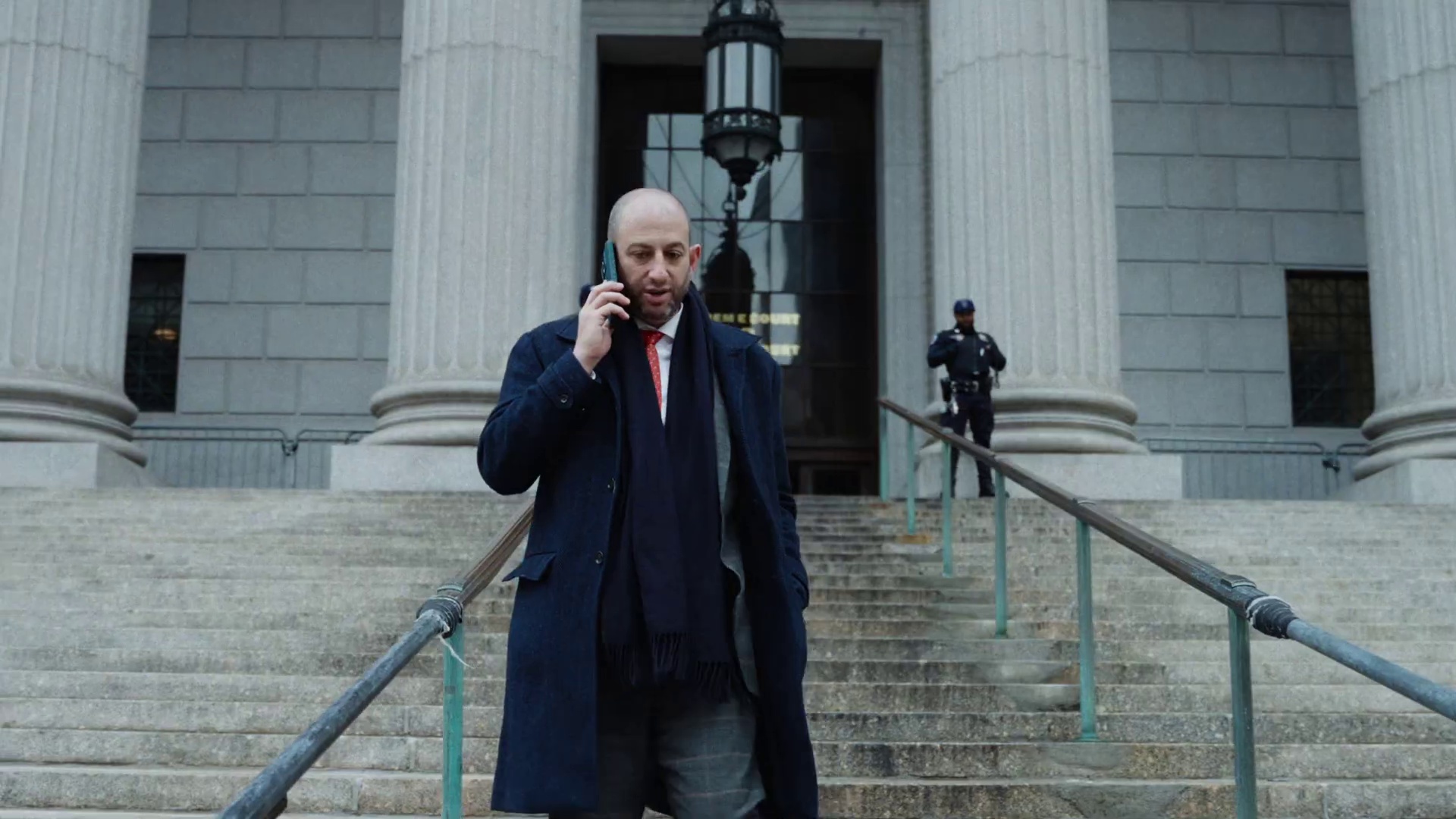
Todd Spodek
Lead Attorney & Founder
Featured on Netflix's "Inventing Anna," Todd Spodek brings decades of high-stakes criminal defense experience. His aggressive approach has secured dismissals and acquittals in cases others deemed unwinnable.

FBI agents arrived at your home early Tuesday morning with a search warrant, seized your computers, financial records, and several boxes of documents, then left after three hours without placing anyone under arrest. Your neighbors watched the entire operation unfold, and now you're wondering whether the fact that no one was taken into custody means the investigation is over.
Does the fact that the FBI raided my home but didn't arrest me mean I'm in the clear?
Absolutely not — in fact, a federal raid without an immediate arrest often signals that you are the target of an ongoing grand jury investigation under Federal Rule of Criminal Procedure 6(e), and prosecutors are methodically building their case. Federal agents typically obtain search warrants under the Fourth Amendment and Rule 41 to gather evidence before seeking an indictment, and the average federal investigation continues for 12 to 24 months after a raid before charges are filed. You need to retain experienced federal defense counsel immediately, because anything you say or do from this point forward — including speaking with agents who may return for a 'voluntary' interview — can and will be used against you. Early intervention by an attorney can sometimes influence whether charges are ultimately brought and may open the door to pre-indictment negotiations with the U.S. Attorney's Office.
This is general information only. Contact us for advice specific to your situation.
The FBI’s description of the federal criminal process lays out these stages, but what it dosent tell you is how long each stage takes. After the search warrant execution, prosecutors typicaly take 30 to 90 days to analyze seized evidence and decide whether to proceed with charges. But thats the optimistic timeline. In cases involving digital evidence – which is basicly every case now – that timeline extends dramaticaly.
Think about what federal agents seized from your location. Computers. Phones. External hard drives. USB drives. Servers. All of that digital evidence goes to FBI or IRS-CI forensic labs for analysis. And those labs have massive backlogs. Were talking 6 to 12 months just for the initial forensic examination. During that entire period, your in limbo. The government is building its case against you while you wait in silence.


