




Title IX of the Education Amendments of 1972 is a federal law that prohibits sex discrimination in education programs and activities that receive federal funding. This includes protecting students from sexual harassment, sexual assault, and other forms of gender-based discrimination. Many colleges and universities in Colorado Springs have Title IX offices to handle investigations and complaints. However, having an experienced Title IX lawyer can make a big difference for students going through these processes.
Title IX lawyers help students understand their rights under Title IX and guide them through often complex and stressful proceedings. They can advise students facing accusations as well as students making complaints. Here is an overview of how Colorado Springs Title IX lawyers can assist students.
Representing Respondents
Students accused of Title IX violations like sexual assault are known as “respondents.” The stakes are high, as they face potential discipline like suspension or expulsion. Respondents may also face parallel criminal charges. Colorado Springs Title IX lawyers represent respondents during investigations and hearings. They ensure the process is fair and the student’s rights are protected.
Need Help With Your Case?
Don't face criminal charges alone. Our experienced defense attorneys are ready to fight for your rights and freedom.
- 100% Confidential
- Response Within 1 Hour
- No Obligation Consultation
Or call us directly:
(212) 300-5196According to attorney Deborah Menkins, “We have seen respondents denied due process rights, with little transparency, no hearing, and inability to question witnesses or challenge evidence” [3]. A lawyer can demand proper procedures and question any biases. They also gather evidence and witnesses to refute accusations.
Title IX lawyers advise respondents on interacting with investigators and avoiding self-incrimination. Students should not speak to investigators without a lawyer present. “Statements students make can be used against them, and investigators are building a case, not neutral fact-finders,” explains attorney Michael Lowe [2].
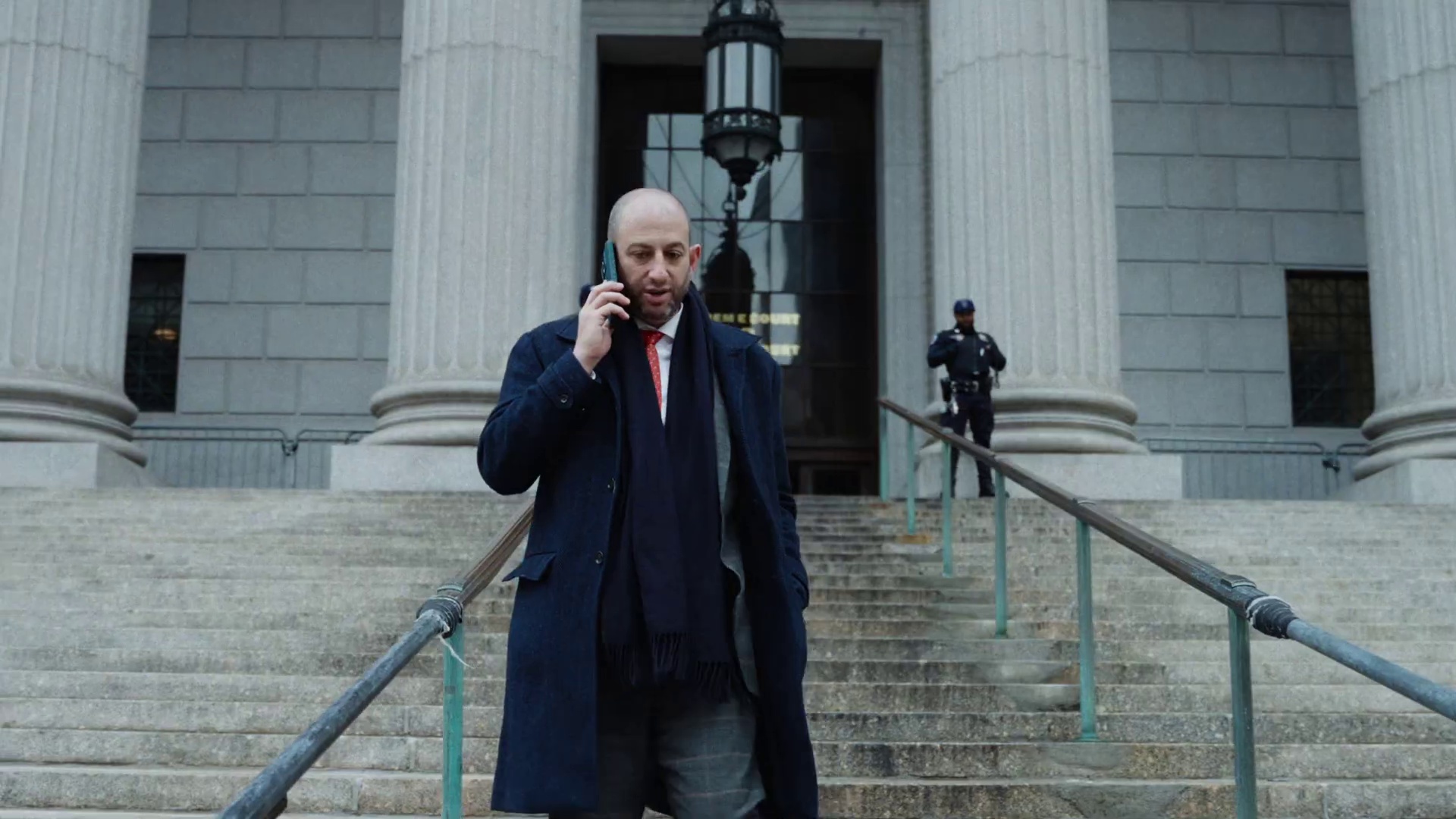
Todd Spodek
Lead Attorney & Founder
Featured on Netflix's "Inventing Anna," Todd Spodek brings decades of high-stakes criminal defense experience. His aggressive approach has secured dismissals and acquittals in cases others deemed unwinnable.

You are a junior at a Colorado Springs university who has been accused of sexual misconduct by another student. The Title IX office has notified you of a formal investigation and scheduled a hearing within two weeks, but you have not been given access to the evidence against you or told exactly what conduct you are accused of.
What rights do I have during a Title IX investigation, and can the university punish me before the process is complete?
Under the 2020 Title IX regulations issued by the Department of Education, you have the right to receive written notice of the allegations with sufficient detail, access to all evidence gathered during the investigation, and the opportunity to have an advisor of your choice, including an attorney, present during any hearing. The university cannot impose disciplinary sanctions until the grievance process is complete, though they may implement supportive measures that are non-punitive and non-disciplinary. You also have the right to cross-examine witnesses through your advisor at a live hearing, a protection established under 34 C.F.R. § 106.45. Given the serious academic and professional consequences a finding of responsibility can carry, including suspension or expulsion, it is critical to have experienced legal counsel involved from the earliest stage of the process.
This is general information only. Contact us for advice specific to your situation.
Common Respondent Defenses
- Lack of proper notice of allegations
- Investigator or hearing panel bias
- Procedural errors
- Unreliable witnesses and evidence
- Incapacitation defense
Respondents have the right to present defenses and counter-evidence. For instance, if intoxication is alleged, a lawyer can argue the respondent was also too intoxicated to form criminal intent. Or if policies changed mid-case, a lawyer can argue improper notice.