






Federal sentencing is not an event. It is the conclusion of a process that, if managed well, begins the day of conviction.
The sentencing hearing is the last proceeding in a federal criminal case before the defendant’s fate is announced. It is also the proceeding for which preparation is most consistently deferred, abbreviated, or treated as secondary to the trial or plea process that preceded it. That sequence is backwards. The sentencing outcome in most federal cases is determined by decisions and documents that precede the hearing by months. The hearing is where the argument is presented. The preparation is where it is built.
Understanding the Guidelines Calculation
The first step in preparing for federal sentencing is developing a precise understanding of the guidelines calculation that will govern the proceeding. That understanding begins with the offense level: the base level assigned to the charged offense, the specific offense characteristics that apply, the adjustments for role and acceptance of responsibility, and the relevant conduct that may expand the calculation beyond the counts of conviction.
The defendant and their counsel should construct an independent guidelines calculation before the presentence report is disclosed. That independent calculation serves two purposes. It identifies the areas where the defendant’s calculation may differ from the government’s or the probation officer’s, establishing the disputes that will require argument. And it produces an accurate expectation for the range that the presentence report will disclose, allowing the defendant to understand what they are facing before they read it for the first time in a probation officer’s office.
Engaging With the Presentence Investigation
The probation officer’s interview of the defendant is among the most consequential interactions in the sentencing process and among the most poorly prepared for. The interview covers the offense conduct, the defendant’s personal history, and the circumstances of the offense. The account the defendant provides in that interview enters the presentence report and may become the basis for findings that affect the guidelines calculation and the sentencing recommendation.
The interview should be prepared for with counsel. The defendant should understand which questions are likely to be asked, which aspects of their background they wish to emphasize, and which areas require care in how they are described. The interview is not an opportunity to minimize the offense or contest the conviction; that approach will be reflected in the report in a manner that undermines the acceptance of responsibility adjustment. It is an opportunity to present the defendant’s background, circumstances, and character in the most complete and favorable light the facts support.
Gathering Character Evidence
The letters submitted to the court on the defendant’s behalf are a component of the sentencing record that defense counsel can shape more directly than almost any other. Letters from family members, employers, colleagues, community figures, religious leaders, and friends provide the court with a picture of the defendant’s character and relationships that the guidelines calculation does not capture.
Need Help With Your Case?
Don't face criminal charges alone. Our experienced defense attorneys are ready to fight for your rights and freedom.
- 100% Confidential
- Response Within 1 Hour
- No Obligation Consultation
Or call us directly:
(212) 300-5196Effective character letters are specific. They describe the writer’s relationship with the defendant, identify concrete examples of the defendant’s character, and address the offense in a manner that acknowledges the harm it caused without undermining the acceptance of responsibility finding. Letters that read as form documents, that are unsigned or undated, or that consist primarily of assertions without supporting specifics are letters that carry less weight than they should. The court has read thousands of character letters. The ones that are remembered are the ones that present the defendant as a specific individual rather than a generic subject of someone’s goodwill.
The defendant who appears before the sentencing court accompanied by a thick record of community ties, family relationships, and documented personal history is a different defendant than the one who appears with a thin file and a brief plea for leniency. The court sees both regularly. It sentences them differently.
Addressing Victim Impact
Where the offense caused harm to identifiable victims, those victims may submit impact statements that the court reads before sentencing and that may be delivered orally at the hearing. Defense counsel should obtain any victim impact statements in advance, assess their contents, and prepare a response that addresses the harm described without minimizing it.
A defendant who acknowledges victim harm specifically and concretely, rather than in abstract terms, is a defendant whose acceptance of responsibility is more credible than one who recites a formulaic acknowledgment. If the offense caused financial harm, the defendant who has made restitution, or who has demonstrated a concrete plan to make restitution, is presenting a form of acknowledgment that judges find more persuasive than any words alone could accomplish.
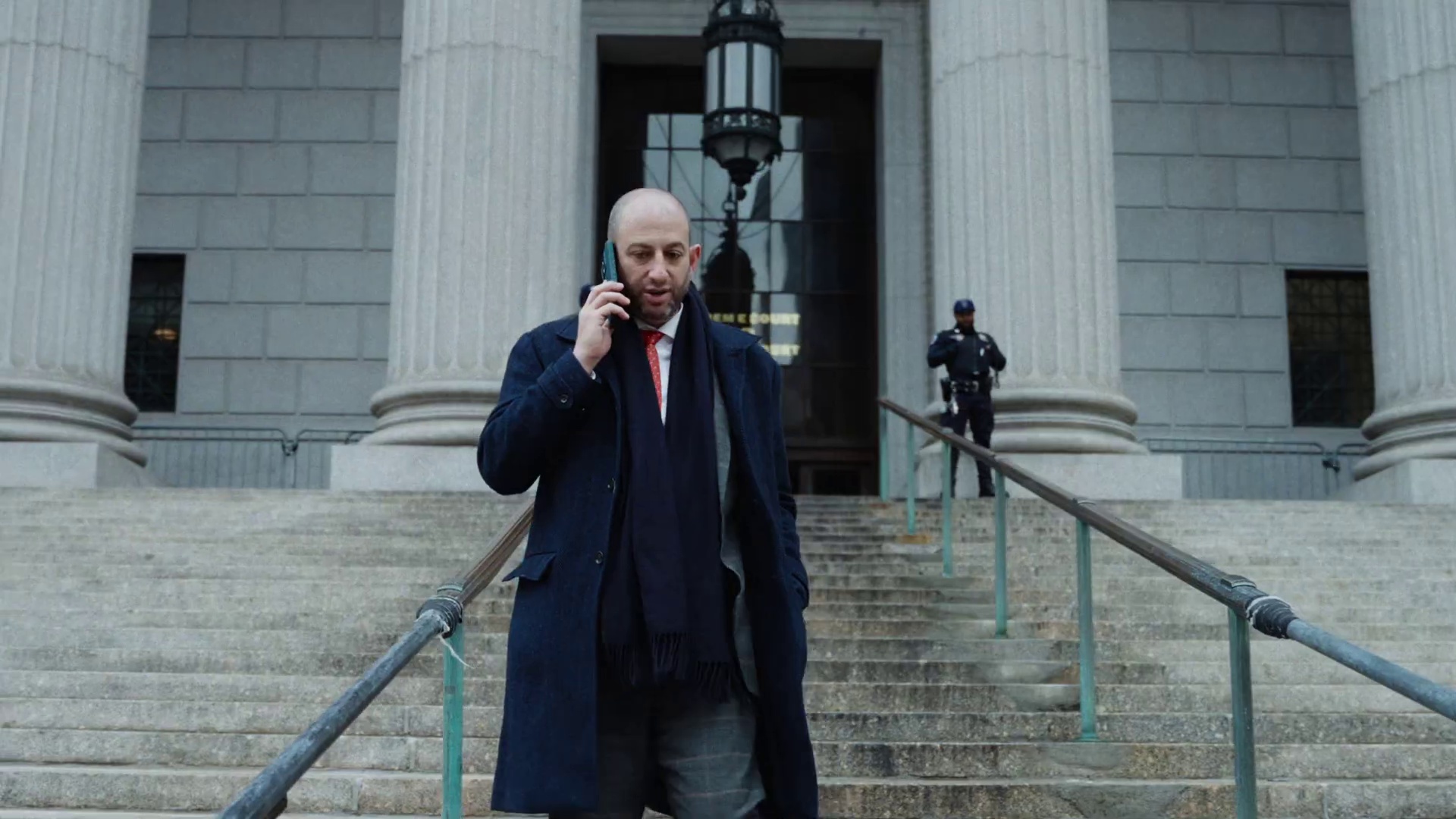
Todd Spodek
Lead Attorney & Founder
Featured on Netflix's "Inventing Anna," Todd Spodek brings decades of high-stakes criminal defense experience. His aggressive approach has secured dismissals and acquittals in cases others deemed unwinnable.
The Sentencing Hearing Itself
The defendant speaks at the sentencing hearing. The allocution, the statement the defendant makes directly to the court, is the last opportunity to present a human face to the judge who will announce the sentence. It is not an argument. It is not a summary of the sentencing memorandum. It is an acknowledgment of the offense, an expression of genuine remorse, and a statement of what the defendant intends to do differently.

A federal agent calls you and says they "just want to ask a few questions" about a business transaction.
Is it safe to talk to them informally?
There is no such thing as an informal conversation with a federal agent. Under 18 U.S.C. 1001, making any false statement to a federal agent is a felony, even without being under oath. Always consult an attorney before speaking with investigators.
This is general information only. Contact us for advice specific to your situation.
Allocutions that are read from a prepared statement sound like they are read from a prepared statement. Allocutions that are genuine, that engage with the specific harm caused, and that demonstrate that the defendant understands the consequences of their conduct for others are the allocutions that judges cite when they explain why they imposed a particular sentence. The preparation for the allocution requires as much attention as any other component of the sentencing presentation, and it requires a different kind of preparation: not legal argument but honest reflection.
The sentencing hearing rewards the defendant who has spent the preceding months preparing, not the one who has spent them waiting. That distinction, in federal court, has real consequences measured in years.
