






You can withdraw from a proffer agreement anytime you want. Walk out of the room. Tell your attorney to end the cooperation. Fire off a letter saying you’re done. The government cannot force you to keep talking.
Welcome to Federal Lawyers. Our goal is to give you the information nobody else will, because the question you’re really asking isn’t whether you CAN withdraw. The question is what happens to everything you already said when you do.
And heres the uncomfortable truth that changes everything: withdrawal ends the cooperation relationship. It doesn’t end the evidence relationship. Every word you spoke during that proffer session stays in government files forever. The FBI agents took notes. The prosecutors have summaries. Your statements exist independently of whether you continue cooperating. You cant unsay what youve already said.
Think about that for a moment. Your planning to withdraw from the proffer because the cooperation isnt working out. Maybe the deal they offered was worse than you expected. Maybe your worried about what you revealed. But withdrawing doesnt delete those statements from existence. It just stops you from getting any potential benefit in exchange for them.
The Paradox: You Can Leave, But Your Words Cant
Heres the kicker about proffer agreements that nobody explains clearly: withdrawing from the agreement doesnt undo the proffer session. It terminates the relationship going forward. The government still possess everything you gave them during your “queen for a day.”
This catches people completely off guard. They think about proffer agreements like canceling a gym membership. Stop paying, relationship ends, everyones back where they started. Thats not how it works with federal prosecutors.
The fundamental misunderstanding comes from treating proffers like ordinary contracts. In a normal contract, termination means both parties walk away. If you cancel your cell phone plan, the company dosent get to keep billing you. If you end a lease early, you might owe penalties but the relationship is over.
Proffer agreements operate differently. The “contract” governs what happens to information you provide – not whether that information exists. When you speak during a proffer session, you create something permanant: a record. That record exists independently of any agreement. The agreement just constrains (slightly) how that record can be used.
When you sit down for that proffer session, several things happen immediately:
First, FBI agents are in the room taking detailed notes. These notes become permanent records. The agents are trained to capture not just what you say, but how you say it. Your hesitations. Your word choices. The moments you look away. All of it goes into there notes. And those notes dont disappear just because you decide to stop cooperating.
Second, prosecutors are listening and forming investigative strategies based on what you say. Theyre not just taking information – they’re building a roadmap. Every name you mention becomes a potential witness. Every document you reference becomes a subpoena target. Every transaction you describe becomes a forensic accounting project.
Third, anything you reveal can be used to develop new evidence – even if your actual statements cant be used directly. This is called derivative use, and its the trap most defendants dont see coming. The Department of Justice Criminal Resource Manual explains how this works: your words cant be quoted directly, but everything they lead to is fair game.
So when you “withdraw” from the proffer, what actually happens? The government stops any obligation they had to consider you for cooperation benefits. You stop getting credit toward a potential 5K1.1 motion. The relationship is over.
What dosent happen? Your statements dont disappear. The notes dont get shredded. The investigative leads you provided dont get un-followed. Everything you said remains in the governments possession and can be used derivatively to build a case against you.
Need Help With Your Case?
Don't face criminal charges alone. Our experienced defense attorneys are ready to fight for your rights and freedom.
- 100% Confidential
- Response Within 1 Hour
- No Obligation Consultation
Or call us directly:
(212) 300-5196What “Use Immunity” Actually Means (Hint: Not What You Think)
Heres were most people get this wrong. They hear “use immunity” in there proffer agreement and think its protection. Its not protection – its a specific limitation that sounds better then it actually is.
Use immunity means your exact statements from the proffer session cannot be used as direct evidence in the governments case-in-chief at trial. Thats it. Thats the entire protection.
What use immunity does NOT protect against:
Derivative use. The Supreme Court established in Kastigar v. United States (1972) that the government can pursue any investigative leads your statements suggest. If you mention a bank account during your proffer, they can subpoena that bank account. If you reference a conversation, they can interview that person. The evidence they find through following your leads is fully admissible – even though your statements technically arnt.
Impeachment. If you testify at trial inconsistently with your proffer, the government can use your proffer statements to impeach your credibility. This basicly means: if you say something different at trial then you said in the proffer, they can bring in what you originally said.
Rebuttal. Modern proffer agreements often contain language allowing the government to use your statements if you present any evidence or argument inconsistent with what you proffered. Not just your testimony – your entire defense strategy.
False statements prosecution. If you lied during the proffer, your protected by nothing. Under 18 U.S.C. § 1001, false statements to federal agents are independently prosecutable. Ask Martha Stewart how that works out. She didn’t go to prison for insider trading. She went to prison for lying about insider trading during her interview with federal agents. The underlying conduct wasn’t even charged – but the false statements were.
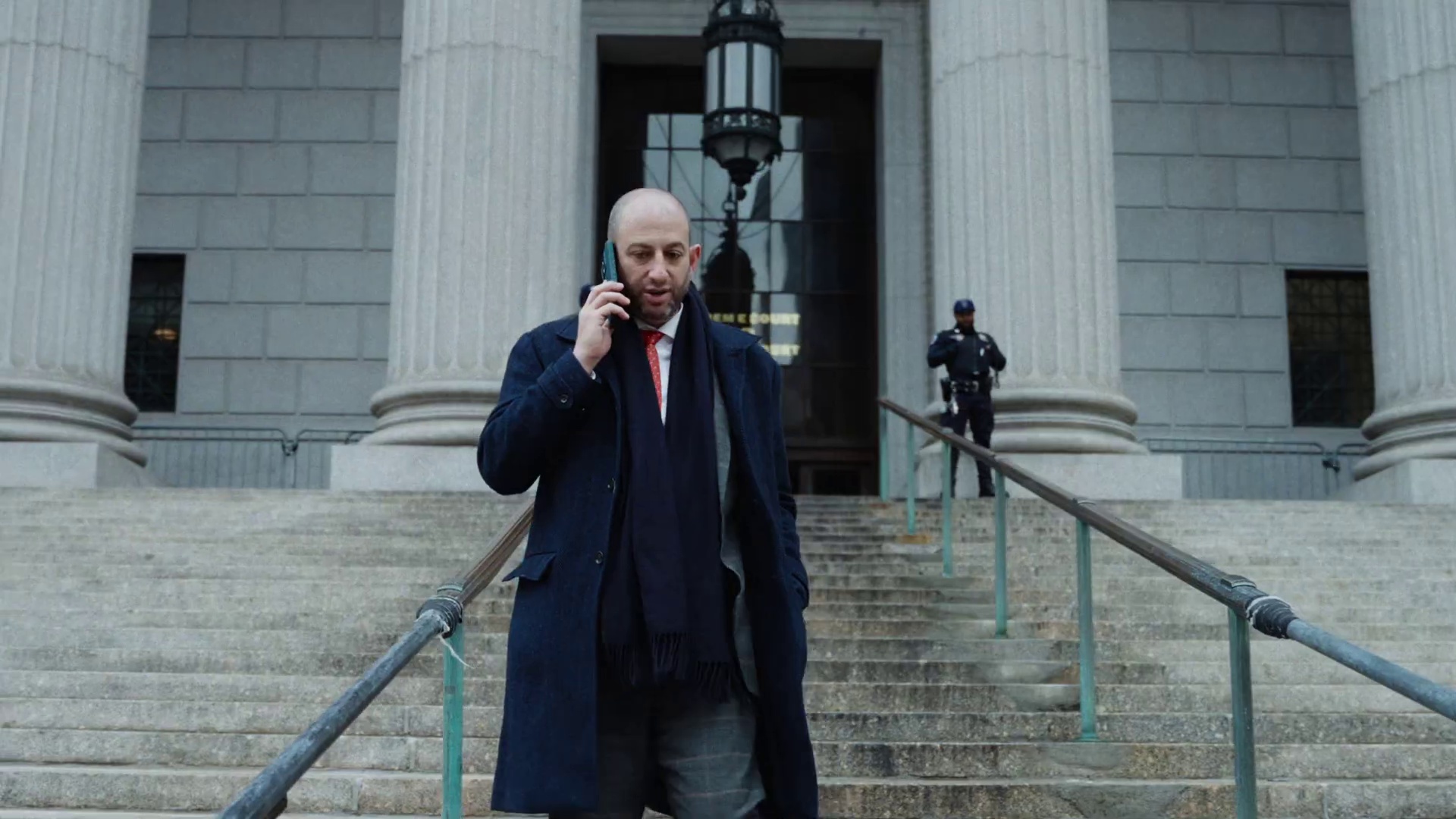
Todd Spodek
Lead Attorney & Founder
Featured on Netflix's "Inventing Anna," Todd Spodek brings decades of high-stakes criminal defense experience. His aggressive approach has secured dismissals and acquittals in cases others deemed unwinnable.
Heres the uncomfortable math: the proffer session itself creates criminal exposure that didnt exist before you walked in. Your trying to help yourself by cooperating, but every word you say could become the basis for a completely separate prosecution.
So what does “use immunity” actually give you? A limited protection against your exact words appearing in the governments opening statement. Thats probably not the fortress you imagined. Its more like a sheet of paper between you and a hurricane.
The Rule 410 Trap: Why Signing Reduced Your Rights
OK so heres something that blows peoples minds when they learn it. Federal Rule of Evidence 410 already provides protection for statements made during plea negotiations. You dont need a proffer agreement to get some protection – the rule gives it automatically.
You entered into a proffer agreement with federal prosecutors three weeks ago and provided two sessions of information about a healthcare fraud scheme. Now your co-defendant's attorney has contacted you claiming the government is twisting your statements, and you want to stop cooperating immediately.
If I withdraw from my proffer agreement now, can the government use everything I already told them against me at trial?
While you have every right to withdraw from a proffer agreement at any time, the critical issue is what happens to your prior statements. Most proffer agreements contain a 'Queen for a Day' provision under Federal Rule of Evidence 410, which generally prevents your proffer statements from being used in the government's case-in-chief — but there are significant exceptions. If you testify at trial inconsistently with your proffer statements, prosecutors can typically use those statements to impeach you under the agreement's standard waiver provisions. Before withdrawing, your attorney should carefully review the specific language of your proffer letter, because some agreements contain broader waiver clauses that could allow the government to use your statements in ways beyond simple impeachment.
This is general information only. Contact us for advice specific to your situation.
But heres the irony. When you sign a proffer agreement, you typically WAIVE parts of Rule 410. The proffer letter substitutes its own terms for the rules default protections. And the proffer letters terms are almost always worse.
Under standard FRE 410, statements made during plea discussions are generally inadmissible. But proffer agreements routinely carve out exceptions:
- Impeachment exception (broader then FRE 410 default)
- Rebuttal exception (much broader then FRE 410)
- False statement exception (similar but specifically triggered)
This means signing the proffer agreement actually REDUCED your rights compared to where you started. You traded automatic Rule 410 protections for the proffer letters more limited version.
our lead attorney has seen this exact scenario play out. Defendants come in after proffering, realizing to late that the agreement they signed gave them less protection then they would of had by simply engaging in informal plea discussions without a formal proffer letter. The irony is painful. You thought you were getting protection. You were actually giving some up.


