




Brooklyn Driving Under the Influence of Drugs Lawyers
Understanding the Importance of Specialized Legal Defense
When people are charged with driving under the influence, they pay little attention to the fact that there are major differences pertaining to whether the charge involves alcohol or drugs. However, depending on the scenario, the differences in these matters can mean the difference in having one’s charges reduced or dismissed, gaining an acquittal, or having a permanent criminal record. Due to the important role a lawyer who specializes in driving under the influence of drugs cases can make in these situations, it is always best to hire the services of defense lawyers from the law firm of Raiser and Kenniff.
Differences in Case Evidence
In these cases, there is often a tremendous variation in the evidence used against you. For example, in a standard DUI that involves alcohol, blood alcohol levels can be easily measured using breathalyzer tests, blood analysis, or chemical tests. However, when a DUI charge involves drugs, obtaining evidence of impairment is not as easy. In fact, many cases simply rely on the testimony of the arresting officer, who may be making a judgement for which they are not qualified to do so. Because of this, a defense lawyer will carefully examine evidence, construct a counter-argument to the officer’s testimony, and argue for a reduction or dismissal of all charges against you.
Need Help With Your Case?
Don't face criminal charges alone. Our experienced defense attorneys are ready to fight for your rights and freedom.
- 100% Confidential
- Response Within 1 Hour
- No Obligation Consultation
Or call us directly:
(212) 300-5196DUI vs. DWAI
In New York, prosecutors handle DUI and DWAI cases in very different ways. For a DWAI case, which stands for Driving While Alcohol Impaired, the biggest difference is this is a traffic infraction, rather than a criminal offense. As a result, unless there are extenuating circumstances that could lead to additional charges, this will not result in a criminal record. However, a DUI charge that involves you having a blood alcohol concentration of .08 or higher could have you being charged with a Class E felony. In addition, if you have prior DUI convictions, you could also face harsher penalties. Therefore, since a DWAI charge usually involves a combination of chemicals in your system as well as a BAC less than .08, your defense attorney from Raiser and Kenniff will have greater leverage to get the charges reduced or dismissed.
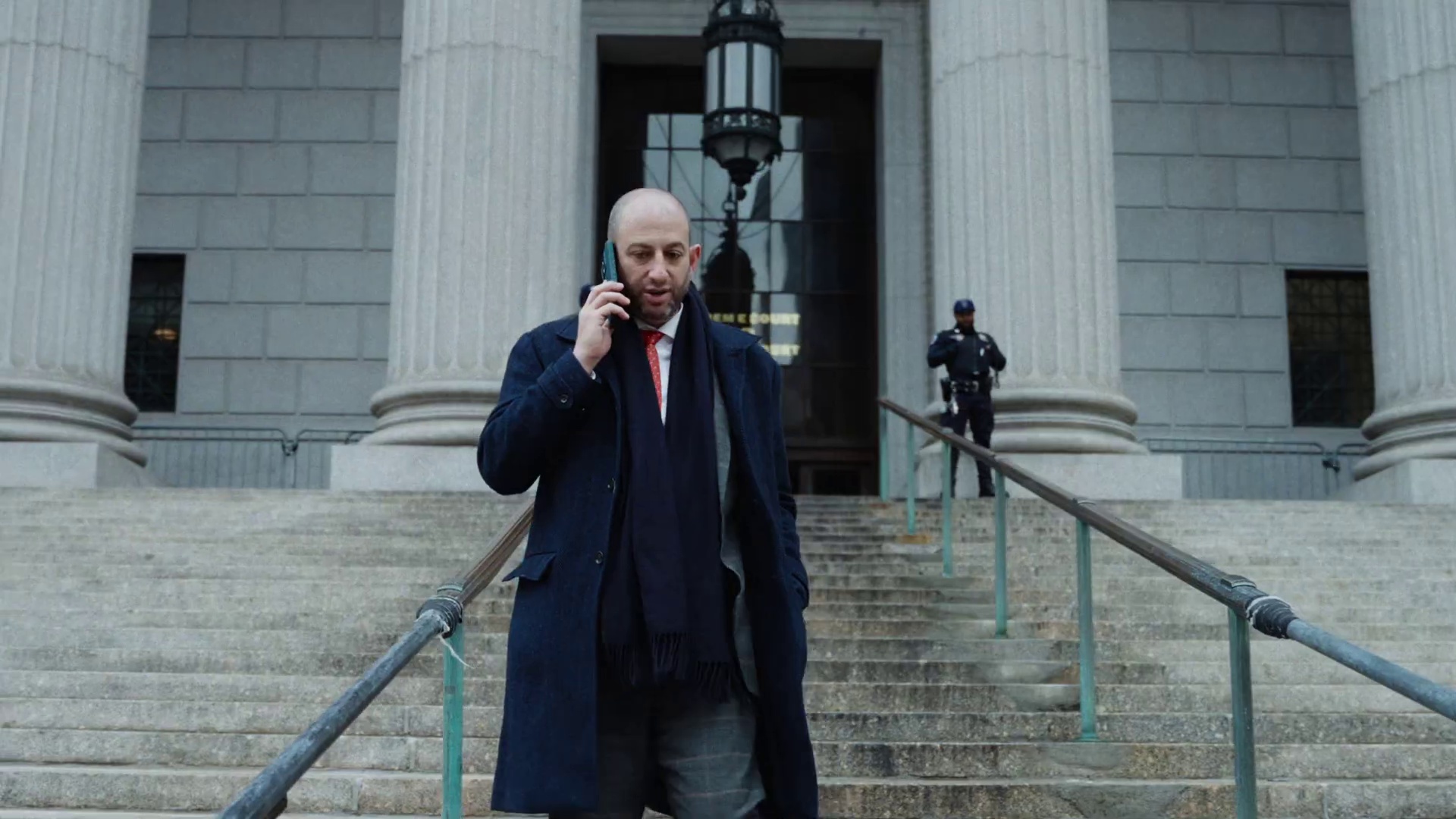
Todd Spodek
Lead Attorney & Founder
Featured on Netflix's "Inventing Anna," Todd Spodek brings decades of high-stakes criminal defense experience. His aggressive approach has secured dismissals and acquittals in cases others deemed unwinnable.
You were pulled over in Brooklyn after swerving slightly near Atlantic Avenue, and the officer claimed you appeared drowsy and disoriented. Despite passing the breathalyzer with a 0.00% BAC, you were arrested for driving under the influence of drugs based on the officer's subjective observations and the fact that you had a valid prescription for anxiety medication in your glove compartment.
Can I really be convicted of a DWAI-Drugs charge in New York even though I had a legal prescription and wasn't over any measurable limit?
Under New York Vehicle and Traffic Law Section 1192(4), you can be charged with driving while your ability is impaired by drugs regardless of whether the substance is prescribed or illegal — there is no per se legal limit like the 0.08% BAC standard for alcohol. However, the prosecution must prove that the drug actually impaired your ability to operate a vehicle, and a Drug Recognition Expert (DRE) evaluation is often used but can be challenged for procedural errors or subjective bias. An experienced Brooklyn DWAI-Drugs attorney can scrutinize the arresting officer's training, the DRE protocol, and whether any blood or urine test results were properly obtained under CPL Section 690, potentially getting evidence suppressed. Many prescription-related DWAI cases are successfully reduced to non-criminal traffic infractions or dismissed entirely when the defense demonstrates that impairment was never objectively established.
This is general information only. Contact us for advice specific to your situation.