Bail Revocation in New York: Modifications and Mandatory Evidentiary Hearings
Understanding Bail Revocation and Modification
Bail revocation lawyers in New York have studied the nuances of the state’s bail laws. There are a number of conditions in which your bail might be revoked or modified. Sometimes a person’s bail conditions will be revoked or modified because they are arrested for a new felony crime while waiting to go on trial for a different case. You can also have your bail conditions revoked if you violate a restraining order or engage in a willful and persistent refusal to appear on scheduled dates. Even if the prosecutor wants to modify the bail because of one of these circumstances, though, this cannot be done until the judge holds a hearing.
The Bail Revocation Hearing Process
How the Hearing Works
During the hearing, the prosecutor will explain why they want your bail conditions to be revoked or modified. The judge will then need to decide whether there’s justifiable cause for the belief that you might have committed a felony while out on bail, or that you may have otherwise violated a restraining order or other described law. The judge must review all pieces of relevant evidence, which can include witnesses being called by the District Attorney’s office. At the hearing, your defense attorney can cross examine the witnesses.
Need Help With Your Case?
Don't face criminal charges alone. Our experienced defense attorneys are ready to fight for your rights and freedom.
- 100% Confidential
- Response Within 1 Hour
- No Obligation Consultation
Or call us directly:
(212) 300-5196Alternative to Judge Testimony
It is possible that a Grand Jury can be used to make a decision instead of having a judge hear testimony. But if the judge does listen to testimony, then this kind of hearing can be a good opportunity for you and your defense counsel. Your defense attorney has a chance to cast doubt upon the DA’s witnesses, bring up challenges to the evidence that’s been compiled against you, and create a record of you having been treated with adversity by law enforcement.
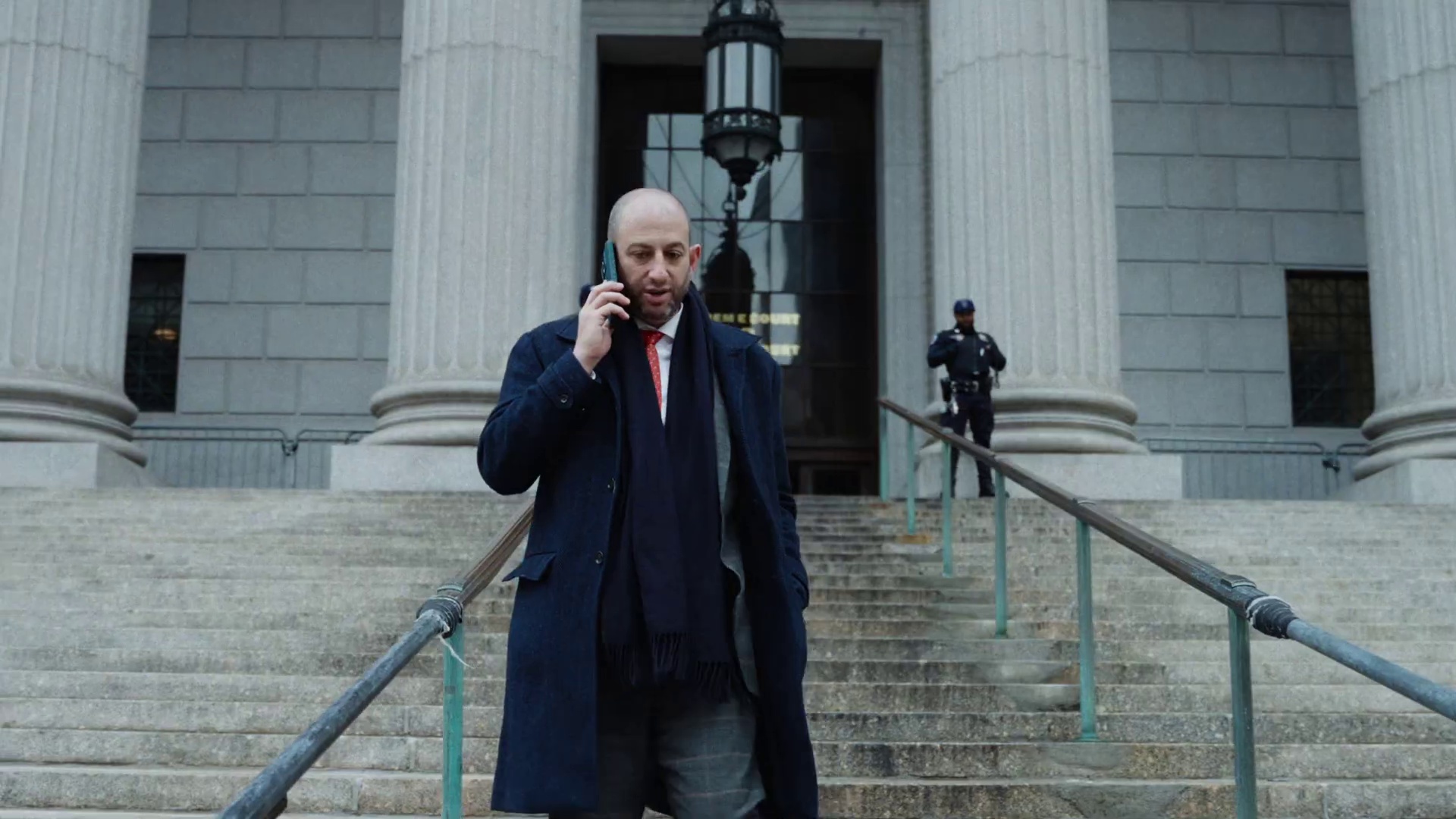
Todd Spodek
Lead Attorney & Founder
Featured on Netflix's "Inventing Anna," Todd Spodek brings decades of high-stakes criminal defense experience. His aggressive approach has secured dismissals and acquittals in cases others deemed unwinnable.

You were released on bail after being charged with assault, but last week you were arrested for an unrelated robbery while your case was still pending. Now the prosecutor has filed a motion to revoke your bail, and you received notice of a hearing scheduled for next week.
Can the judge really take away my bail because of this new arrest, and what happens at the revocation hearing?
Under New York Criminal Procedure Law § 530.60, the court can revoke or modify your bail when there is reasonable cause to believe you committed a new felony while released on a pending case. You are entitled to a mandatory evidentiary hearing where the prosecution must present evidence supporting revocation, and your attorney can cross-examine witnesses and argue for continued release or modified conditions. The judge will weigh factors including the strength of the new charges, your ties to the community, and whether less restrictive conditions could reasonably assure your return to court. An experienced bail revocation attorney can challenge the sufficiency of the evidence at this hearing and advocate for alternatives such as increased bail, electronic monitoring, or additional supervision rather than full remand.
This is general information only. Contact us for advice specific to your situation.