




Welcome to Federal Lawyers. If you’re facing federal drug trafficking charges in Austin, you need to understand something the DEA won’t tell you directly. The agency publishes a list of eight “transportation hubs” for drug trafficking in America – Atlanta, Dallas, El Paso, Houston, Los Angeles, New Orleans, Phoenix, and St. Louis. Austin isn’t on that list. Dallas is. Houston is. But not Austin.
That absence might seem like good news. It isn’t. Austin sits at the most dangerous point on Interstate 35 – the exact midpoint between the Mexican border and Dallas. Every major cartel uses Austin as a staging ground. Drugs get consolidated in Austin stash houses before being pushed to the cities that make the official lists. You’re not in a hub. You’re in the invisible engine that feeds every hub on the corridor.
Our goal at Federal Lawyers is giving you the unfiltered truth about federal prosecution in Austin. The Western District of Texas – the district that handles Austin cases – processes between 11 and 13 percent of all federal criminal cases in the entire country. That’s one of only five districts in America carrying that kind of caseload. You’re being prosecuted in a system built for volume, not individual attention. Understanding that reality is the foundation of any effective defense.
The City That Feeds the Hubs
Heres the thing nobody wants to say out loud. Austin dosent make headlines for drug busts the way Dallas or Houston does. But thats not becuase less drugs move through here. Its becuase Austin serves a different function in the supply chain – the consolidation point where shipments get staged before distribution.
Think about what that means practicaly. A semi-truck crosses the border at Laredo carrying concealed compartments. It dosent drive straight to Dallas. It stops in Austin first. Product gets unloaded into stash houses. Shipments get broken down or combined. New vehicles get loaded. Then the drugs continue north to there final destinations – the cities that actualy appear on DEAs official list.
When federal prosecutors build conspiracy cases, they trace these routes backward. The guy who ran a stash house in Austin? Hes now connected to every kilogram that passed through his location on the way to Dallas, Houston, and beyond. Your exposure isnt limited to what you personaly handled – its everything the conspiracy moved through your piece of the operation.
This is why Austin drug cases are so dangrous despite the citys absence from official hub lists. The staging ground role means defendants here inherit liability for operations stretching from the border to multiple destination cities. Prosecutors dont see Austin as seperate from the corridor – they see it as the critical midpoint that makes the whole system function.
Need Help With Your Case?
Don't face criminal charges alone. Our experienced defense attorneys are ready to fight for your rights and freedom.
- 100% Confidential
- Response Within 1 Hour
- No Obligation Consultation
Or call us directly:
(212) 300-5196The evidence in these cases reflects the hub-feeding role. When investigators raid an Austin stash house, there not just documenting what they find on the premises. There building a case that tracks every inbound shipment and every outbound distribution. Cell phone records showing communication with border contacts. GPS data proving vehicles traveled to Dallas, Houston, San Antonio. Financial records demonstrating money flowing in multiple directions. The conspiracy they construct encompasses the entire corridor – and your exposure encompasses it too.
200 Miles From the Border
Theres an assumption most people make about federal drug prosecution. The closer you are to Mexico, the more intense the enforcement. Border cities face the harshest treatment. Interior cities get lighter attention.
Austin breaks that assumption completley. The city sits 200 miles from the Mexican border – far enough that most residents never think about border issues. But Austin gets prosecuted in the Western District of Texas, the same district that handles Laredo, Del Rio, and the entire border region. The judges, prosecutors, and caseload pressures are identical wheather your case originated at the border or in downtown Austin.

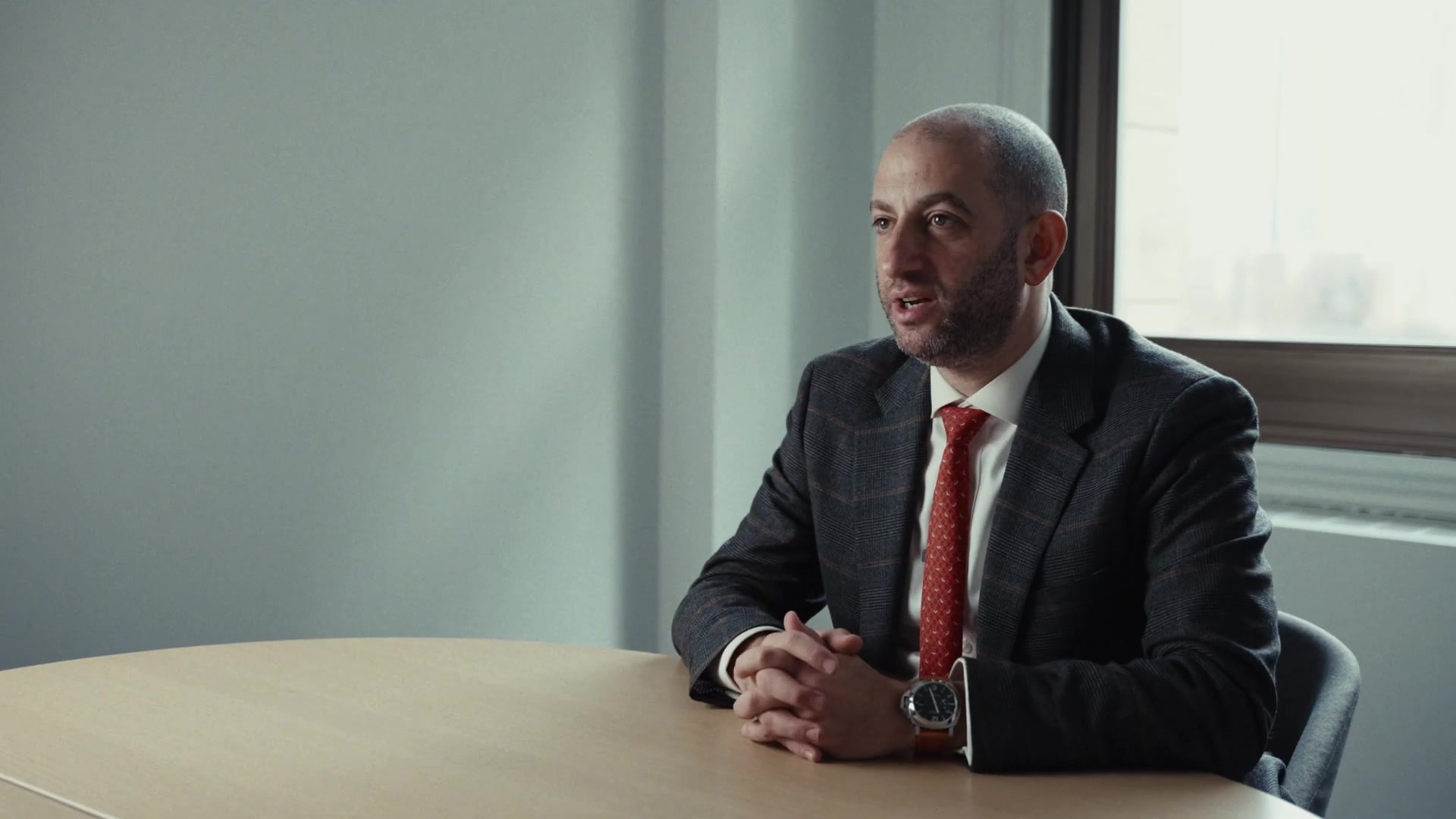
Todd Spodek
Lead Attorney & Founder
Featured on Netflix's "Inventing Anna," Todd Spodek brings decades of high-stakes criminal defense experience. His aggressive approach has secured dismissals and acquittals in cases others deemed unwinnable.
Heres the uncomfortable truth. The Western District processes roughly 11 to 13 percent of all federal criminal cases nationaly. Only four or five other districts in America handle that volume. The prosecutors here are buried in cases. There overworked. There under pressure to move cases through the system. And they’ve developed the kind of efficency that comes from processing border-level volume year after year.

You were pulled over on I-35 between Austin and Dallas with a large amount of cash and prescription medications in your vehicle. The officer called in a DEA task force agent who is now claiming the cash and pills indicate drug trafficking activity and wants to seize your vehicle.
Can the DEA charge me with federal drug trafficking just because I was driving on a known drug corridor between Austin and Dallas with cash and medications?
Proximity to a designated transportation hub like Dallas does not by itself establish probable cause for federal drug trafficking charges under 21 U.S.C. § 841. The government must prove you knowingly possessed a controlled substance with intent to distribute, and mere possession of cash and lawfully prescribed medication is insufficient. We would immediately challenge the traffic stop under the Fourth Amendment and file a motion to suppress any evidence obtained without proper cause. Austin's absence from the DEA's official hub list can actually work in your favor, as it undermines the prosecution's narrative that you were operating within a known trafficking pipeline.
This is general information only. Contact us for advice specific to your situation.
That efficency dosent work in defendants favor. When prosecutors are handling hundreds of cases, there not spending extra time looking for reasons to reduce charges or offer favorable deals. The default is maximum prosecution. Deviating from that default requires a defense team that knows how to create reasons for deviation – and that takes work most overloaded public defenders simply cant provide.
The judges in the Western District have developed there own efficency too. They move cases rapidley. Continuances get denied. Motions get decided quickly. The entire pace of litigation here exceeds what defendants encounter in less busy districts. If your not ready when the court expects you to be ready, your at an immediate disadvantage. The system dosent slow down to accomodate preparation gaps.