New York has many different drug crimes. The crimes prevent possessing drugs and selling them. In some cases, just the possession or sale of the drugs is enough to make the offense criminal. In other cases, it’s the nature of how the offense occurs that’s actually part of the offense itself.
That’s the case for a violation of New York penal law 220.44. The law prohibits the criminal sale of a controlled substance in or near school grounds. Under the law, selling the substance on school grounds is part of the offense. It’s a separate offense from simply making a sale of drugs.
Details of the Offense
A violation of the law occurs when a person otherwise sells a controlled substance in violation of other provisions of the law, and they do it on or near a school. A violation is a class B felony. While it’s not the most severe felony on the books in New York, it’s a very serious offense that can bring a minimum sentence of one year in jail and even up to 25 years in prison. Certainly, it’s important to take the charge seriously.
Defenses
You may defend yourself against the charges on the grounds that you didn’t sell a controlled substance. You might admit to possessing a controlled substance but point out that a friend took it from you without your permission. You may also argue that the substance in your possession isn’t the controlled substance that law enforcement claims it is. In controlled substance cases, law enforcement has to carefully identify and maintain custody of the controlled substance for trial. If they don’t, it may work to your advantage.
Need Help With Your Case?
Don't face criminal charges alone. Our experienced defense attorneys are ready to fight for your rights and freedom.
- 100% Confidential
- Response Within 1 Hour
- No Obligation Consultation
Or call us directly:
(212) 300-5196The law contains legal definitions for what constitutes a school. The police may try to stretch that definition in your case in order to trump up the charges against you. When you’re facing the charge of sale of a controlled substance on a school grounds, you should carefully read the elements of the charges and the definitions for a school. If you’re down the street and around the corner, your case may not fit the definition.
Taking Your Case to Trial
You have the right to a jury trial. That means the state has to bring the evidence against you and prove it to the satisfaction of the jury. Whether you’re facing a serious, class B felony charge or a lesser offense, you’re within your rights to exercise those rights.
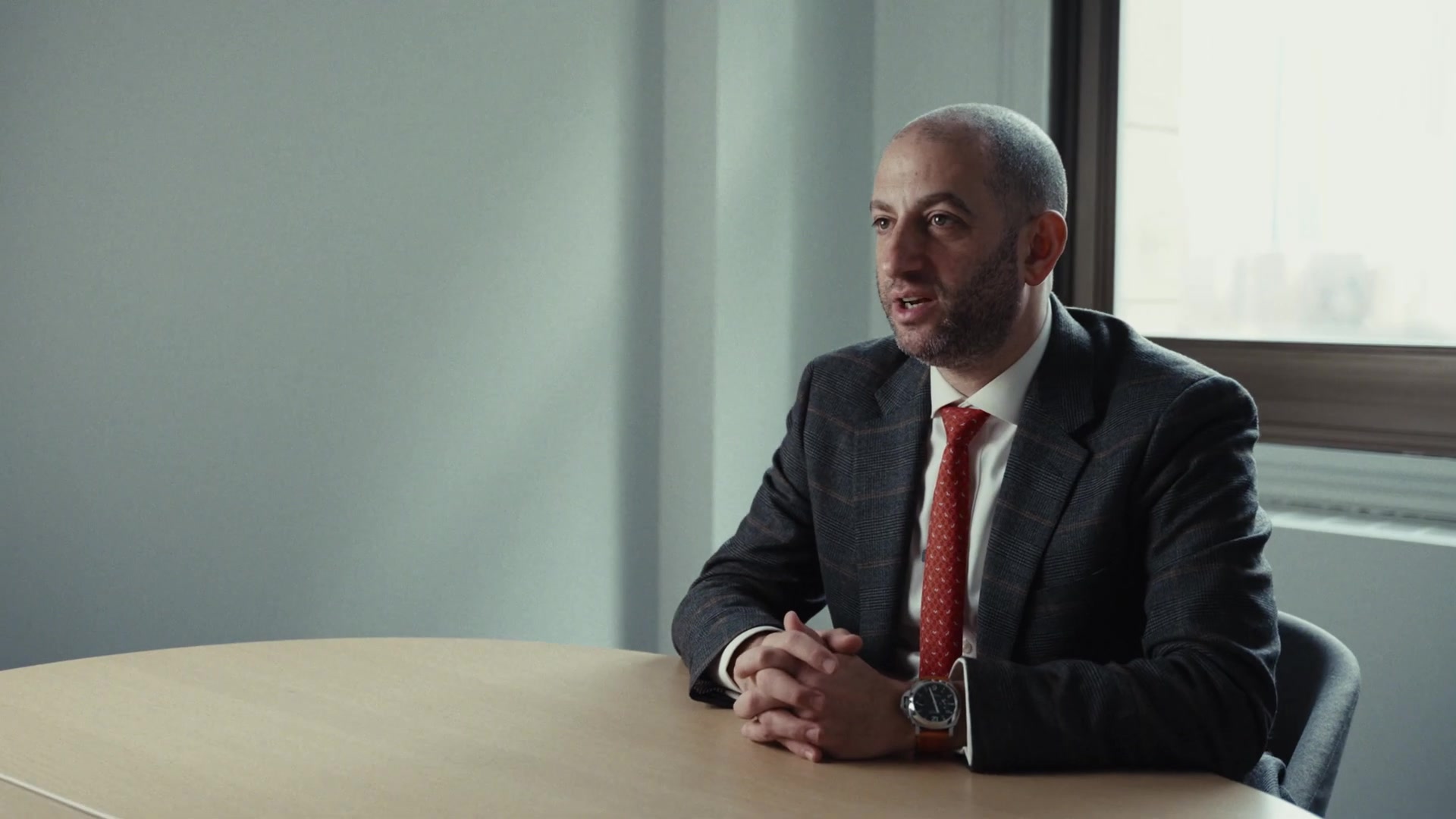
Todd Spodek
Lead Attorney & Founder
Featured on Netflix's "Inventing Anna," Todd Spodek brings decades of high-stakes criminal defense experience. His aggressive approach has secured dismissals and acquittals in cases others deemed unwinnable.
Asking for Leniency
New York’s age of adult criminal responsibility is a matter of some debate. If you’re a student, the penalties for a class B felony conviction can seem harsh especially if you’re young. New York state attorneys have the option to consider the charges against you and offer a resolution that they believe is fair under the circumstances. If you can convince the state that you have the potential to be a positive contributor to society, they may offer you leniency.

You were arrested outside a bodega that happens to be within 1,000 feet of a public elementary school after an undercover officer purchased a small amount of cocaine from you. You had no idea the school was nearby and are now facing charges under New York Penal Law 220.44 instead of a standard drug sale charge.
Does it matter that I didn't know there was a school nearby, and how much worse is this charge compared to a regular drug sale?
Under New York Penal Law 220.44, criminal sale of a controlled substance in or near school grounds is a Class B felony, which carries a significantly harsher penalty than a standard sale charge — potentially up to 25 years in prison. Unfortunately, the statute does not require the prosecution to prove that you knew you were near a school; proximity alone is sufficient to elevate the charge. However, a strong defense may challenge the measurement method used to establish the distance, question whether the school was actually in session or operational at the time, or scrutinize the reliability of the undercover buy operation. An experienced attorney can also explore whether a plea to a lesser included offense under Penal Law 220.39 or 220.34 might be negotiated to reduce your exposure.
This is general information only. Contact us for advice specific to your situation.
The state attorneys may offer you a plea bargain to a reduced charge. If they’re willing to offer you a lesser offense, you can potentially avoid many years of jail time by accepting a plea offer. You may also be able to participate in a drug court program in exchange for a plea to a lesser offense. Your eligibility depends on the exact details of your offense and the offense that you plead guilty to under the law. In any event, these are viable options to explore with your attorney when you’re facing the charge of selling drugs on a school grounds.