





In New York State, drug possession is a serious offense, as described under Penal Law §220.06. The law, which is more accurately described as “criminal possession of a controlled substance in the fifth degree,” covers more than just possession of a controlled substance, however. By understanding exactly what the law covers, individuals charged with this crime can begin to understand the seriousness of the charge and prepare a defense for their trial.
What Does it Mean, When You’re Charged With Violating Penal Law §220.06?
There are a number of conditions that can result in the violation of this particular penal code in New York. The primary element required to satisfy each condition is that the perpetrator is aware of the law and purposely violates the law, as is the case when the individual possesses a controlled substance and plans to sell it for a profit.
Additionally, the law prohibits possessing “preparations, compounds, mixtures or substances,” which contain a narcotic substance of half an ounce or more. A third condition listed in this penal law specifically prohibits the possession of 50 or more milligrams of phencyclidine, which is more commonly known as PCP. The street name for phencyclidine is Angel Dust.
Cannabis in its concentrated form cannot be possessed in excess of one-fourth of an ounce under this law, which also prohibits “preparations, compounds, mixtures or substances” also containing the drug. Other drugs prohibited in various quantities by this law are cocaine (500 mg), ketamine (1,000 mg), and hydroxybutyric acid (28 grams).
Need Help With Your Case?
Don't face criminal charges alone. Our experienced defense attorneys are ready to fight for your rights and freedom.
- 100% Confidential
- Response Within 1 Hour
- No Obligation Consultation
Or call us directly:
(212) 300-5196Each condition mentioned under this section in the New York State Penal Law is classified as a class D felony. While class D felonies are considered to be “victimless crimes,” they do still carry harsh penalties, which may include any combination of long jail terms, extensive probation, and/or fines. As a felony, a conviction of Penal Law §220.06 will be a permanent blemish on your record, which may affect child visitation and custody rights, your ability to get a job, and your ability to get an apartment.
Defending Against Fifth Degree Drug Possession Charges
When facing charges of criminal possession of a controlled substance in the fifth degree, it’s important to seek the assistance of an attorney experienced in dealing with drug charges. As a crime that can affect you for the rest of your life, you want to do everything you can to avoid a conviction. A lawyer can mount a defense that may seek to disprove the facts altogether, or he may challenge specific evidence or witnesses in the case.
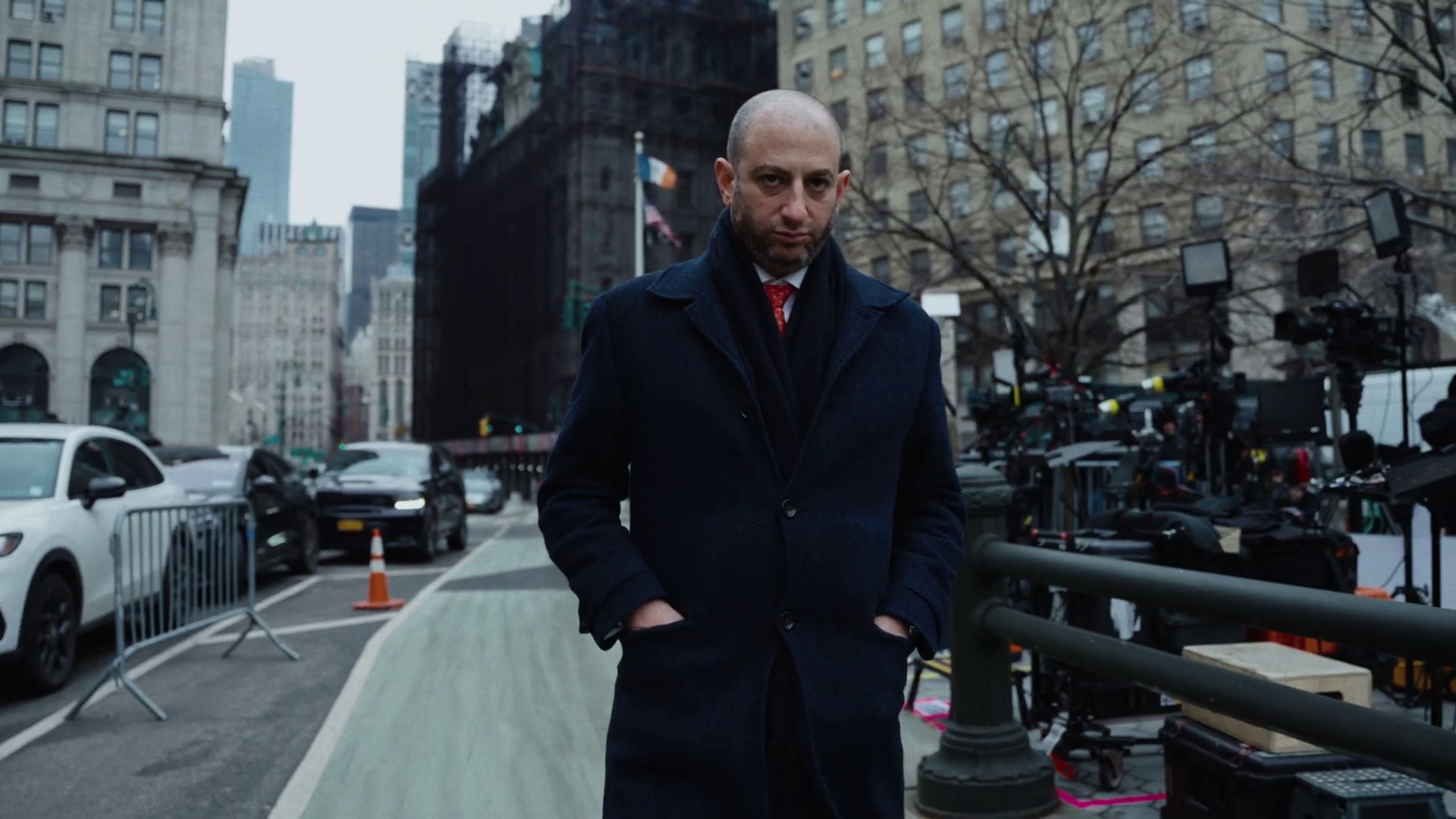
Todd Spodek
Lead Attorney & Founder
Featured on Netflix's "Inventing Anna," Todd Spodek brings decades of high-stakes criminal defense experience. His aggressive approach has secured dismissals and acquittals in cases others deemed unwinnable.
Additional defenses against fifth degree drug possession charges may hinge on attacking the procedural law, suggesting some error was made in establishing the case against you. Most often, these defenses revolve around searches and seizures that were conducted illegally, so it will be important to tell your attorney everything you can remember. As restrictions on the use and possession of marijuana begin to loosen, your lawyer may be able to get these charges dismissed. Depending on new laws regarding the utilization of marijuana for medical purposes, possession of this drug in certain quantities may no longer constitute a criminal act.
You were stopped by police during a routine traffic stop in Manhattan, and officers found several small bags of cocaine in your glove compartment totaling just over 500 milligrams. You were arrested and charged under Penal Law §220.06 with criminal possession of a controlled substance in the fifth degree.
What exactly does a fifth-degree criminal possession charge mean for me, and what kind of penalties am I facing?
Under New York Penal Law §220.06, criminal possession of a controlled substance in the fifth degree is a class D felony, which means you could face up to two and a half years in state prison if convicted. This charge applies when a person knowingly and unlawfully possesses a controlled substance with the intent to sell, or possesses specific quantities — for cocaine, that threshold is 500 milligrams or more. However, there are several defense strategies we can explore, including challenging the legality of the traffic stop, questioning whether you had knowledge of the substance, or arguing issues with how the drugs were weighed and tested. New York has also expanded diversion and treatment-based alternatives for drug offenses, so depending on your criminal history, we may be able to pursue a program that avoids a felony conviction entirely.
This is general information only. Contact us for advice specific to your situation.
As is the case with many criminal charges, your chances of an acquittal or dismissal are dependent upon the specific circumstances of your case. While no attorney can offer guarantees, consulting with a lawyer experienced in representing clients against drug possession charges is the first step in securing your best possible outcome. A lawyer can determine your best chances for success, as he looks at the details of your case and goes over your options for defending yourself.