






The attorney-client privilege is the oldest privilege recognized at common law and one of the most consequential protections available to a person under federal investigation. It is also one of the most misunderstood, both in its scope and in the ease with which it can be waived.
The attorney-client privilege protects confidential communications between a client and their attorney made for the purpose of obtaining or providing legal advice. When those conditions are met, the communication is protected from disclosure in any legal proceeding. The government cannot compel the attorney to disclose what the client said. The client cannot be forced to repeat the communication. The document or recording that captures the communication is not subject to subpoena.
The Elements of the Privilege
For the attorney-client privilege to apply, four conditions must be satisfied. The communication must be between a client and an attorney, or their respective agents in the communication. The communication must have been made in confidence, meaning without the presence of unnecessary third parties. The communication must have been made for the purpose of seeking or providing legal advice. And the privilege must not have been waived by subsequent disclosure of the communication to persons outside the protected relationship.
Each of these conditions is a potential vulnerability. A communication made in the presence of a third party who was not necessary to the legal consultation may not be privileged with respect to that party. A communication made to an attorney for purposes other than legal advice, such as business planning or tax preparation, may not be privileged. A communication subsequently shared with a family member, a colleague, or anyone outside the attorney-client relationship has been waived with respect to the substance shared.
The Privilege in the Investigation Context
In the context of a DEA opioid fraud investigation, the attorney-client privilege protects every substantive communication between the practitioner and their defense counsel about the investigation, the prescribing conduct, the relevant medical records, the government’s theory, and the defense strategy. It protects the communications in both directions: what the practitioner tells counsel and what counsel tells the practitioner.
Need Help With Your Case?
Don't face criminal charges alone. Our experienced defense attorneys are ready to fight for your rights and freedom.
- 100% Confidential
- Response Within 1 Hour
- No Obligation Consultation
Or call us directly:
(212) 300-5196The privilege also extends, under the work product doctrine, to materials prepared by the attorney or the attorney’s agents in anticipation of litigation. The compliance review conducted under counsel’s direction, the medical expert analysis obtained through counsel, and the written legal assessment of the practitioner’s exposure are all protected from the government’s access. The practitioner who conducts the same reviews without counsel’s involvement has not created privileged documents. The same review, the same analysis, the same records, produced without counsel’s direction, is discoverable.
The Upjohn Warning
A practitioner who is an officer or employee of a professional corporation or other entity should be aware that the attorney-client privilege in institutional settings protects the entity, not necessarily the individual. When counsel is retained to represent the practice as an entity, communications between that counsel and individual practitioners may or may not be privileged with respect to those individuals, depending on the circumstances of the engagement and any Upjohn warnings provided at the outset.
The individual practitioner who wants the full protection of the attorney-client privilege should retain counsel for their individual representation, separate from any counsel retained for the practice or entity. The individual counsel’s engagement creates a privilege that runs specifically to the individual practitioner and that is not subject to the entity’s control.
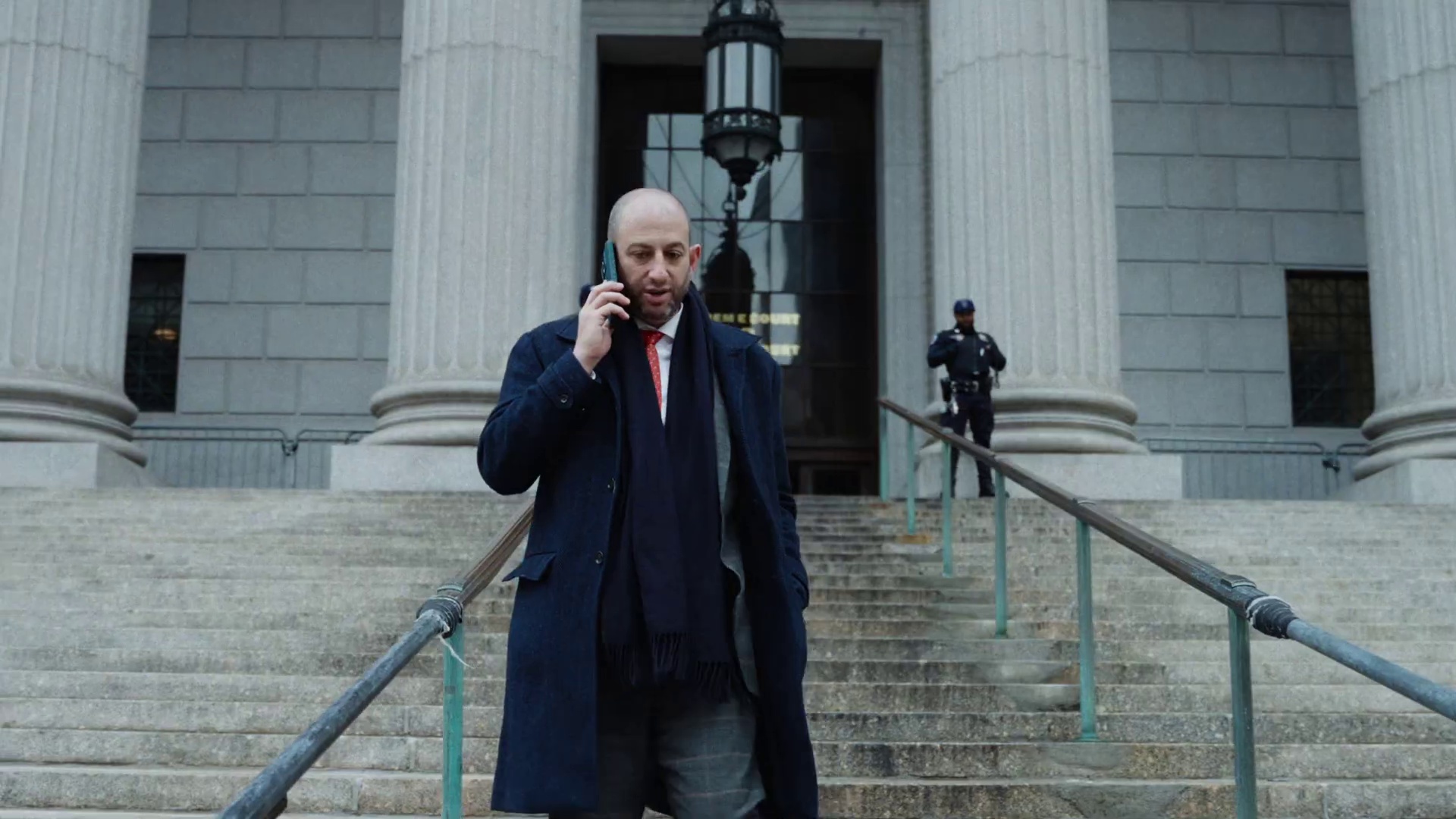
Todd Spodek
Lead Attorney & Founder
Featured on Netflix's "Inventing Anna," Todd Spodek brings decades of high-stakes criminal defense experience. His aggressive approach has secured dismissals and acquittals in cases others deemed unwinnable.
The attorney-client privilege is the protected space in which honest assessment becomes possible. The practitioner who communicates fully with counsel, who discloses everything relevant to the defense, who does not withhold information because it seems unfavorable, and who treats the attorney-client relationship as the protected channel it is, creates the conditions for the most effective defense available. The privilege exists to enable that honesty.
Asserting the Privilege
The privilege does not assert itself. When the government seeks communications that the practitioner believes are privileged, the privilege must be affirmatively asserted and the basis for the assertion must be identified. The practitioner who produces privileged communications in response to a subpoena without asserting the privilege has waived it with respect to those communications. The privilege log, identifying each document withheld and the basis for the privilege assertion, is the mechanism by which the privilege is asserted without disclosing the protected content.
