





Welcome to Federal Lawyers. We understand that if you have just received a superseding indictment, your first reaction is probably panic. The government has gone back to the grand jury and returned a new set of charges. Our goal is to help you understand what this actually means for your case because a superseding indictment is not automatically the disaster most defendants assume it to be.
Most people who receive a superseding indictment immediately conclude that things just got worse. More charges. More exposure. The prosecution is coming after them harder. But here is what experienced federal defense attorneys know that most defendants do not: a superseding indictment often reveals more about the prosecution’s uncertainty than it does about the strength of their case. Sometimes they are fixing defects in the original indictment. Sometimes they are narrowing charges because their theory was not working. Sometimes they are adding charges because a co-defendant cooperated. The superseding indictment is information about how the prosecution’s case is evolving.
Understanding what changed between your original indictment and the superseding indictment changes everything about your defense strategy. The four paragraphs that got added might be devastating. Or they might reveal that the prosecution is struggling. A superseding indictment is not a verdict – it is a window into how the other side is thinking. Before you panic, you need to analyze what actually changed and why.
The Four Types That Change Everything
Heres the first thing you need to understand about superseding indictments. There not all the same. Federal prosecutors file superseding indictments for four completley different reasons, and each one has different implications for your defense.
The first type is the charge-adding superseding indictment. This is what most people fear. The government goes back to the grand jury and adds new counts. Maybe there alleging additional fraud schemes. Maybe there adding conspiracy charges. Maybe there including new defendants. This type does increase your exposure and is genuinley concerning. But even here, the question is why. Did they discover new evidence or are they piling on charges because there original theory wasnt working.
The second type is the charge-narrowing superseding indictment. This one actualy helps you. The prosecution has decided to drop some counts. Maybe there evidence problems. Maybe a key witness became unavailable. Maybe the legal theory had defects. When charges get narrower in a superseding indictment, its a signal that the prosecution is struggling. Your defense just got stronger.
The third type is the defect-correcting superseding indictment. The original indictment had technical problems. Maybe the grand jury wasnt properly constituted. Maybe the charging language was defective. Maybe they need to reallege the same conduct with different statutory citations. This type is often neutral for your defense because there not changing the substance of what there alleging.
The fourth type is the cooperation-reflecting superseding indictment. A co-defendant has started cooperating and the prosecution needs to add allegations that the cooperator has revealed. This can be dangerous because its often accompanied by insider information about your conduct. But it also reveals that the government needed help to build there case, which is itself a kind of weakness.
One federal attorney noted that there most recent case went to trial on the fifth superseding indictment. Five times the government went back to the grand jury. Five times they changed there theory. That doesnt look like strength. That looks like a prosecution searching for a theory that will stick.
Need Help With Your Case?
Don't face criminal charges alone. Our experienced defense attorneys are ready to fight for your rights and freedom.
- 100% Confidential
- Response Within 1 Hour
- No Obligation Consultation
Or call us directly:
(212) 300-5196OK so how do you figure out which type your dealing with. The answer requires carefull comparison between the original indictment and the superseding. Look at what paragraphs were added. Look at what language was changed. Look at whether defendants were added or removed. Look at the timing. Each of these details tells you something about what the prosecution is actualy doing.
The most revealing superseding indictments are the ones where charges get DROPPED. If the government had five counts and now has three, something went wrong with there case. Maybe a witness recanted. Maybe evidence was suppressed. Maybe the legal theory had fatal problems. These charge-reducing superseding indictments are gifts to the defense that many defendants fail to recognize.
When More Charges Actually Signals Weakness
Heres something counterintuitive that most defendants never consider. When the government adds charges in a superseding indictment, it sometimes means there case is actualy getting weaker, not stronger.
Think about the psychology of prosecution. If your original case was rock solid, why would you need to add more charges. The answer is often that prosecutors are hedging. There not confident the original counts will hold up, so there throwing more at the wall hoping something sticks. Its the legal equivalent of trying to make up for quality with quantity.
Consider the Trump election case. When Special Counsel Jack Smith filed a superseding indictment, it was 10 pages shorter then the original. They cut lengthy examples after the Supreme Courts immunity ruling. The superseding indictment wasnt the government coming harder. It was the government admitting they overreached in the original. They were retreating, not advancing.
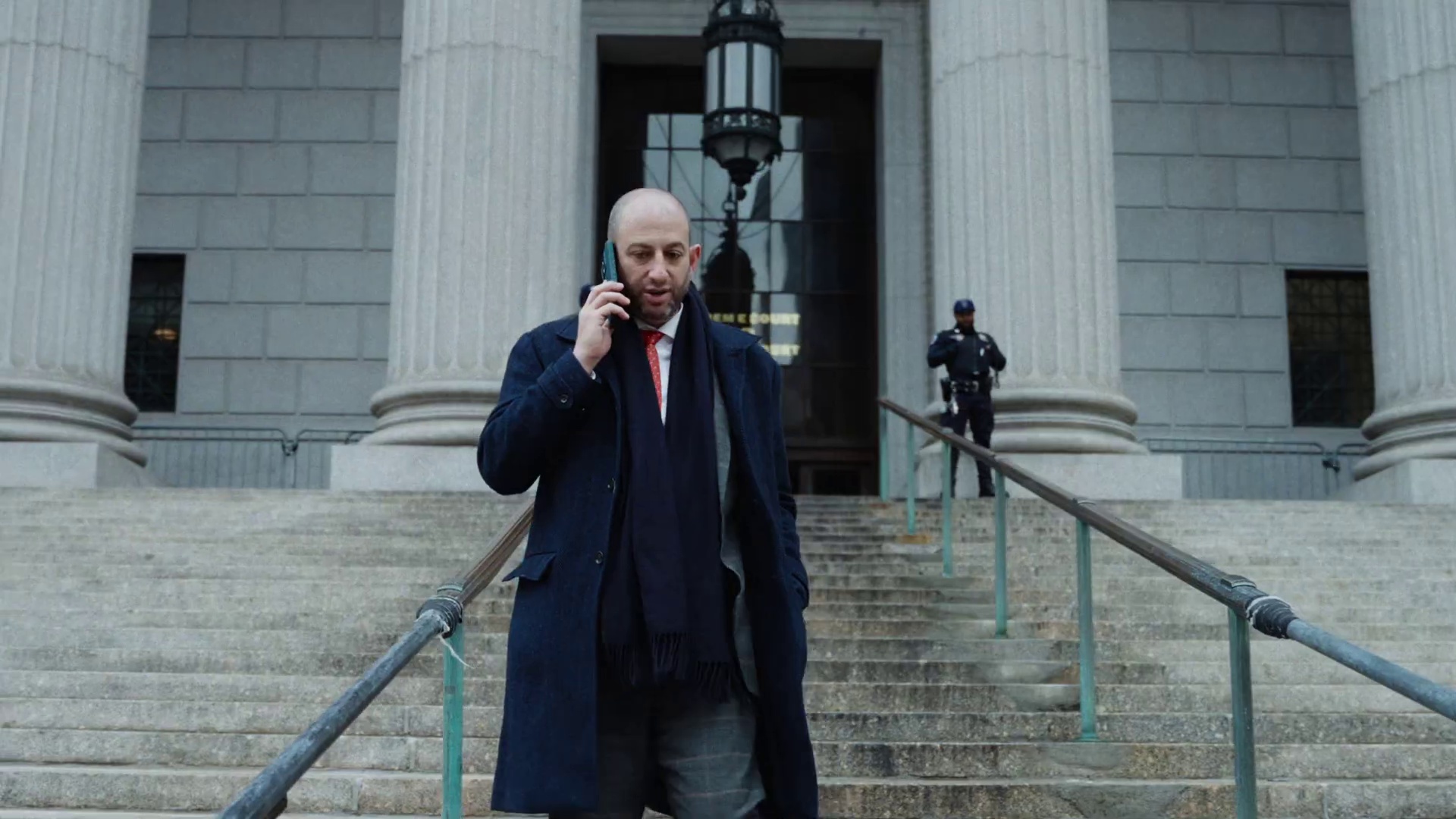
Todd Spodek
Lead Attorney & Founder
Featured on Netflix's "Inventing Anna," Todd Spodek brings decades of high-stakes criminal defense experience. His aggressive approach has secured dismissals and acquittals in cases others deemed unwinnable.
At Federal Lawyers, we analyze every superseding indictment for signs of prosecutorial uncertainty. Are they adding charges because they have new evidence or because there original evidence has problems. Are they reframing the allegations because there legal theory wasnt working. Are they bringing in new co-defendants because they need additional testimony to make there case. Each of these scenarios creates different defense opportunities.

You were indicted six months ago on two counts of wire fraud, and your attorney had been preparing a strong defense around those specific charges. Now the prosecutor has filed a superseding indictment adding three new counts, including conspiracy and money laundering, and you have no idea whether your previous defense strategy still holds.
Does a superseding indictment mean the government's case against me is getting stronger, and do I have to start my defense over from scratch?
A superseding indictment replaces the original indictment entirely under Federal Rules of Criminal Procedure Rule 6, but it does not necessarily signal a stronger government case. Prosecutors sometimes add charges as leverage before plea negotiations, or they may restructure counts to correct technical deficiencies in the original indictment. Your existing defense work, including motions already filed and discovery already obtained, typically carries over, though your attorney will need to reassess strategy in light of the new charges. The key is to carefully compare the superseding indictment against the original to identify what actually changed, because sometimes the additions are less damaging than they first appear.
This is general information only. Contact us for advice specific to your situation.
The instinct to panic when you see more charges is understandable but often wrong. The question isnt how many charges there are. The question is what does this superseding indictment reveal about what the prosecution actualy has.
Think about it from the prosecutors perspective. They brought an original indictment. They presented evidence to the grand jury. They got there charges. Now there going back for more. Why. Usualy its because something about the original wasnt working. The evidence wasnt as strong as they thought. A witness is having problems. The legal theory is running into unexpected obstacles. Adding charges is often a sign of desperation, not confidence.
Defense attorneys who understand this dynamic can use the superseding indictment against the prosecution. At trial, you can argue that the government changed there theory because the original didnt work. You can point to the differences between original and superseding as evidence of prosecutorial uncertainty. The superseding indictment becomes exhibit A in the argument that the government is grasping at straws.