Thanks for visiting Federal Lawyers – a second-generation criminal defense firm managed by our lead attorney, with over 50 years of combined experience representing clients in drug court programs throughout New York. Drug court offers treatment instead of prison – but you must plead guilty first. The program lasts 1-2 years. You’ll attend regular court appearances, submit to random drug testing, complete treatment phases, and maintain sobriety. Successful completion means charges dismissed or reduced. Failure means serving your original sentence. Not everyone qualifies – no violent crimes, no Class A felonies, substance abuse disorder required.
This article explains what drug court is, who qualifies, how the program works, benefits compared to prison, and what happens if you fail. We’re covering what matters when you’re considering drug court as an alternative to incarceration.
What Is Drug Court in NYC?
Drug courts are treatment-focused alternatives to traditional criminal prosecution and sentencing. Instead of sending you to prison for drug offenses, drug courts offer supervised treatment and rehabilitation.
How it works: You voluntarily enter the program. You plead guilty to the charges against you. The judge sentences you to drug court instead of prison. You participate in court-supervised treatment for 1-2 years. If you successfully complete the program, charges are dismissed or reduced. If you fail, you serve the original sentence you would have received.
Team approach: Drug courts involve collaborative teams – judges, prosecutors, defense attorneys, treatment providers, probation officers, and case managers. Everyone works together monitoring your progress, adjusting treatment plans, and imposing sanctions for non-compliance.
NYC drug court network: Nine drug courts operate in NYC Criminal Court – serving Brooklyn, Manhattan, Queens, and Staten Island. Over 80,000 people have participated in New York State drug treatment programs and over 30,000 have graduated.
Who Qualifies for Drug Court in NYC?
Eligibility requirements are strict.
Need Help With Your Case?
Don't face criminal charges alone. Our experienced defense attorneys are ready to fight for your rights and freedom.
- 100% Confidential
- Response Within 1 Hour
- No Obligation Consultation
Or call us directly:
(212) 300-5196Substance abuse disorder required: You must have a diagnosed substance abuse disorder. A clinical evaluation establishes your dependence. Prosecutors and treatment providers must determine you’re addicted and likely to benefit from treatment.
Non-violent offenders only: Drug court is limited to non-violent offenders. Violent crime convictions within the last 10 years disqualify you.
No Class A drug felonies: Class A drug convictions (major trafficking) make you ineligible. Drug court focuses on low to mid-level offenders.
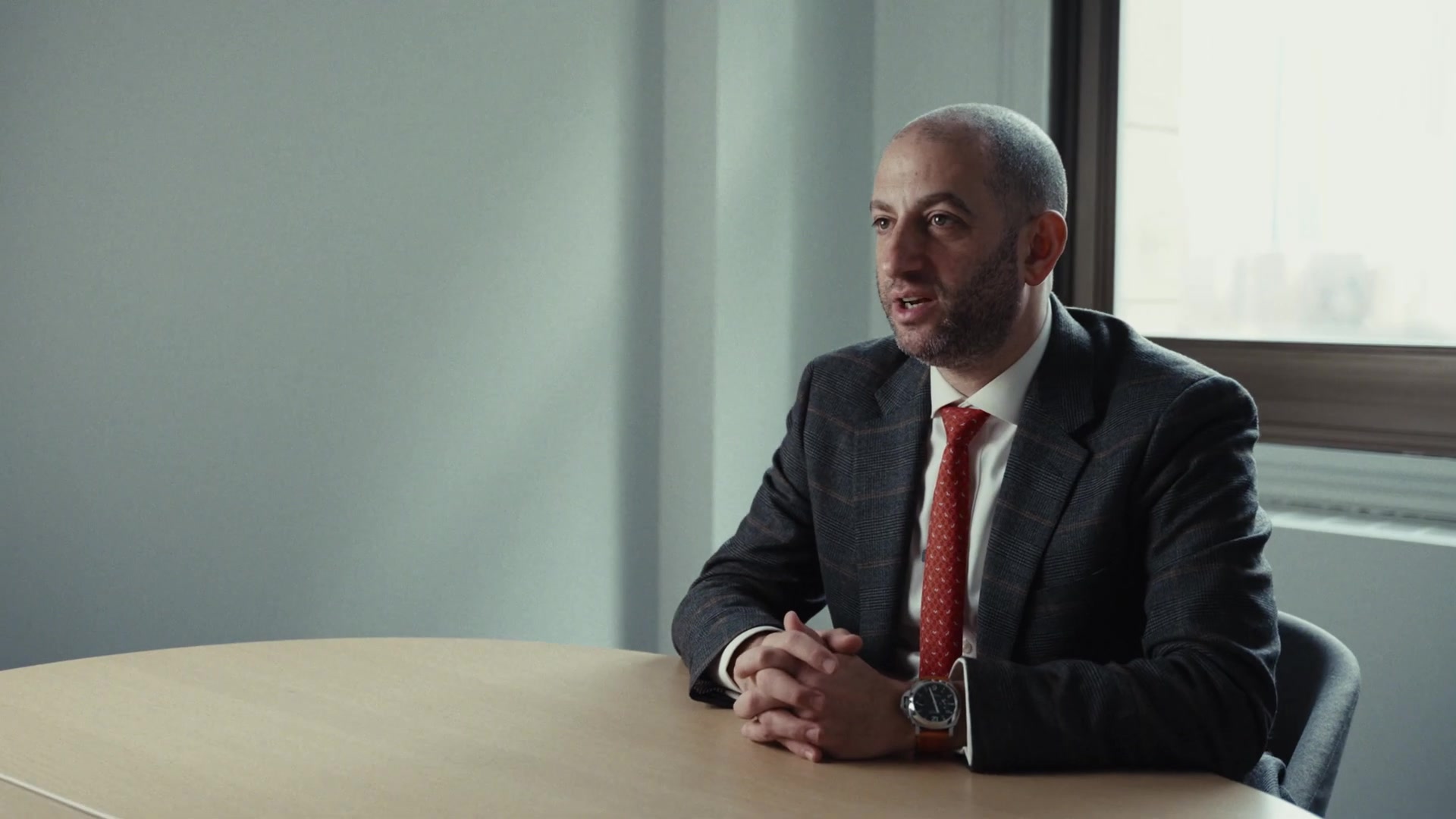
Todd Spodek
Lead Attorney & Founder
Featured on Netflix's "Inventing Anna," Todd Spodek brings decades of high-stakes criminal defense experience. His aggressive approach has secured dismissals and acquittals in cases others deemed unwinnable.
Current charges: You must face felony or misdemeanor charges where drug addiction is a component. Possession, low-level sales, prescription fraud qualify. Major trafficking, distribution networks, or firearm cases typically don’t.

Federal agents execute a search warrant at your medical practice, seizing patient records and prescription logs.
Can they take patient records without patient consent?
A valid federal search warrant overrides HIPAA privacy protections. However, the warrant must be properly scoped. An attorney can challenge overly broad warrants and move to suppress improperly seized evidence.
This is general information only. Contact us for advice specific to your situation.
Voluntary participation: Drug court is voluntary. Prosecutors and defense attorneys negotiate participation. If you refuse or prosecutors object, you proceed through traditional prosecution.
How Drug Court Works: The Multi-Phase Structure
Drug courts follow multi-phase structures lasting 1-2 years.