Sex Crimes

Rape Defense Lawyers

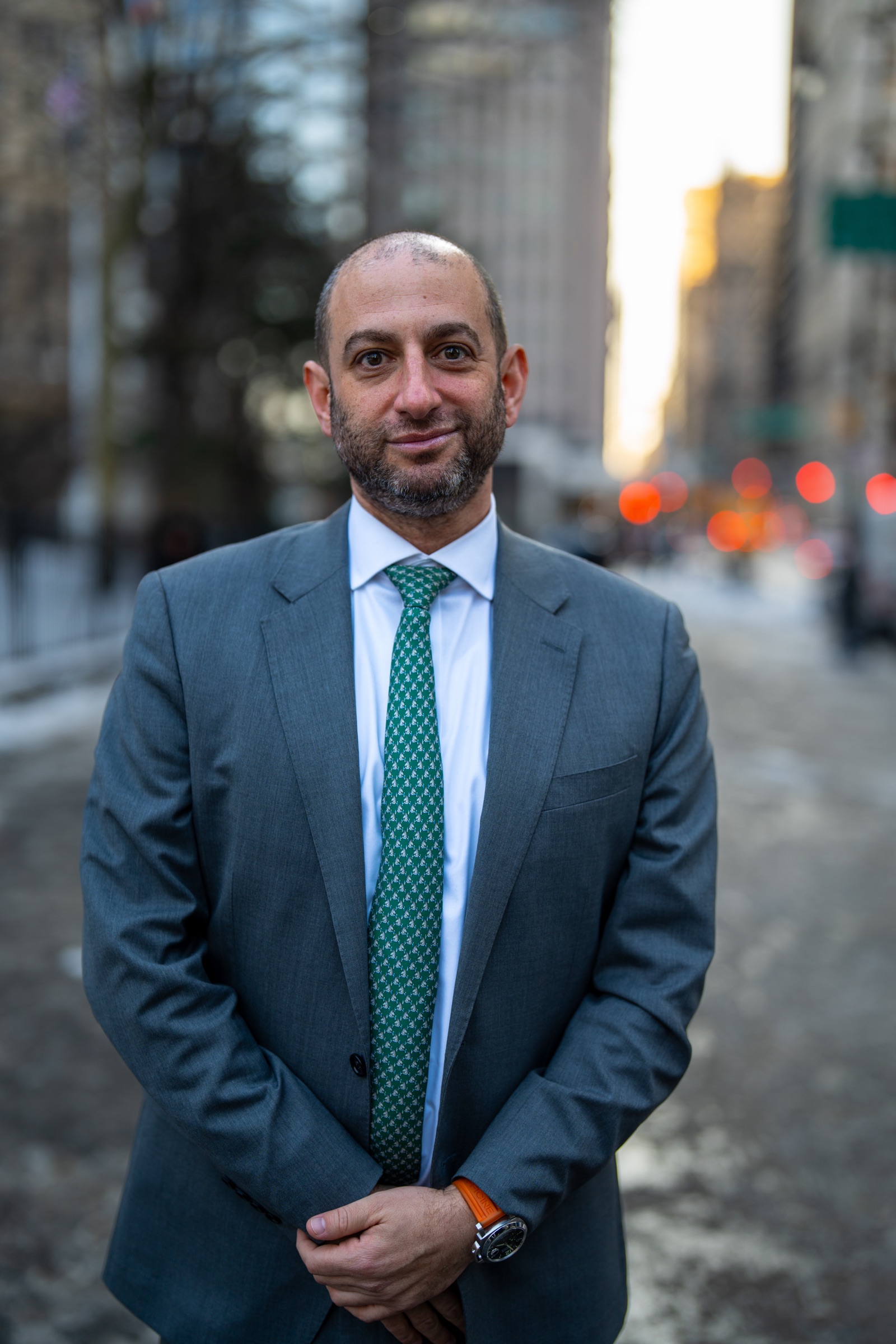
Todd Spodek, Managing Partner

Prominently Featured In:

CNN
Netflix
Newsweek
Business Insider
Time

Federal Sexual Assault and Rape Charges: What You Need to Know

Sexual assault and rape allegations are among the most serious charges a person can face in the federal criminal justice system. A conviction carries severe prison sentences, mandatory sex offender registration, and consequences that extend far beyond the courtroom — affecting careers, relationships, housing, and virtually every aspect of a person’s life for years or decades after release. The social stigma alone can be devastating, even before a case reaches trial.

At Federal Lawyers, we understand the gravity of these charges, and we understand that an accusation is not a conviction. Every person accused of a crime is entitled to a vigorous, competent defense — and that is exactly what we provide. We approach these cases with the seriousness they deserve, the sensitivity that the circumstances require, and the aggressive advocacy that our clients need.

When Does Federal Jurisdiction Apply to Sexual Assault?

Unlike most criminal offenses, sexual assault and rape are primarily prosecuted under state law. Federal jurisdiction applies only in specific circumstances:

Federal Property and Federal Enclaves

Sexual assaults that occur on federal property — including military bases, national parks, federal buildings, Veterans Affairs facilities, and Bureau of Prisons facilities — fall under federal jurisdiction. The Assimilative Crimes Act (18 U.S.C. § 13) allows federal courts to apply state criminal law to offenses committed on federal land when no specific federal statute covers the conduct.

Indian Country

Under the Major Crimes Act (18 U.S.C. § 1153) and the Indian Country Crimes Act (18 U.S.C. § 1152), the federal government has jurisdiction over certain serious crimes — including sexual assault — committed in Indian country. These cases present unique jurisdictional and cultural complexities that require experienced counsel.

Military Sexual Assault (UCMJ)

Sexual assault cases involving military personnel are prosecuted under the Uniform Code of Military Justice (UCMJ), specifically Article 120. Recent reforms, including the establishment of the Office of Special Trial Counsel, have dramatically changed how military sexual assault cases are investigated and prosecuted. While military cases follow different procedures than civilian federal cases, the consequences are equally severe — including dishonorable discharge, confinement, and sex offender registration.

Interstate and International Offenses

Federal jurisdiction also applies when sexual offenses involve interstate commerce or international travel. This includes sex trafficking (18 U.S.C. §§ 1591, 2421-2424), which can carry mandatory minimum sentences of 15 years to life, and offenses involving the use of the internet to facilitate sexual exploitation.

Federal Penalties for Sexual Assault Offenses

Federal sexual assault penalties are severe and vary depending on the specific charge:

  • Aggravated sexual abuse (18 U.S.C. § 2241): Up to life imprisonment. If the victim is under 12, the mandatory minimum is 30 years. If the victim is between 12 and 16, the mandatory minimum is also 30 years.
  • Sexual abuse (18 U.S.C. § 2242): Up to 20 years. Applies when sexual acts are accomplished through threats, fear, or when the victim is incapable of consenting.
  • Sexual abuse of a minor or ward (18 U.S.C. § 2243): Up to 15 years for sexual acts with a minor between 12 and 16; up to 15 years for sexual acts with a ward in official detention.
  • Abusive sexual contact (18 U.S.C. § 2244): Up to 10 years, depending on the circumstances.

In addition to imprisonment, federal sexual assault convictions trigger mandatory supervised release terms of 5 years to life, during which the defendant is subject to strict conditions including GPS monitoring, sex offender treatment, and restrictions on contact with minors.

Sex Offender Registration: SORNA

The Sex Offender Registration and Notification Act (SORNA), codified at 34 U.S.C. § 20901 et seq., establishes a comprehensive national system for sex offender registration. Federal sex offense convictions require registration as a sex offender, with the duration and requirements depending on the tier classification:

FREE CONSULTATION

Need Help With Your Case?

Don't face criminal charges alone. Our experienced defense attorneys are ready to fight for your rights and freedom.

  • 100% Confidential
  • Response Within 1 Hour
  • No Obligation Consultation

Or call us directly:

(212) 300-5196
  • Tier I: 15 years of registration, annual verification. Applies to lower-level offenses.
  • Tier II: 25 years of registration, semi-annual verification. Applies to offenses involving minors and other specified offenses.
  • Tier III: Lifetime registration, quarterly verification. Applies to the most serious sexual offenses, including aggravated sexual abuse.

Registration requirements include providing current address, employment information, vehicle information, and other personal details to law enforcement. This information is made publicly available through sex offender registries, creating devastating consequences for employment, housing, and personal relationships. Failure to register or update registration information is itself a federal offense under 18 U.S.C. § 2250, carrying a maximum sentence of 10 years.

Defense Strategies in Federal Sexual Assault Cases

Every sexual assault case is different, and effective defense requires a thorough investigation of the facts, the evidence, and the circumstances surrounding the allegations. At Federal Lawyers, we employ multiple defense strategies depending on the specifics of each case:

Consent

In cases involving adult complainants, consent is frequently the central issue. The defense of consent requires a careful examination of the circumstances surrounding the alleged encounter — including communications before and after, the relationship between the parties, witness testimony, and any other evidence bearing on whether the sexual activity was consensual. Digital evidence, including text messages, emails, and social media communications, can be critically important in establishing consent or undermining the credibility of allegations.

Identification Challenges

In cases where the complainant alleges assault by a stranger or an individual they did not know well, identification can be a central issue. Eyewitness identification is notoriously unreliable — decades of research have demonstrated that factors such as stress, cross-racial identification, lighting conditions, and the passage of time can dramatically affect accuracy. We retain expert witnesses in eyewitness identification to educate juries about these issues and challenge the reliability of the identification.

Forensic Evidence Challenges

Sexual assault cases often involve forensic evidence — DNA, sexual assault kit results, toxicology reports, and digital forensics. Each type of evidence presents opportunities for defense challenges:

Todd Spodek
DEFENSE TEAM SPOTLIGHT

Todd Spodek

Lead Attorney & Founder

Featured on Netflix's "Inventing Anna," Todd Spodek brings decades of high-stakes criminal defense experience. His aggressive approach has secured dismissals and acquittals in cases others deemed unwinnable.

NY Bar Admitted Multi-State Licensed Federal Courts
Meet the Full Team
  • DNA evidence: While DNA evidence can establish that sexual contact occurred, it cannot establish whether that contact was consensual. We scrutinize DNA collection procedures, chain of custody, laboratory protocols, and statistical interpretations.
  • Sexual assault examination: The absence of physical injuries does not indicate consent, and the presence of injuries does not necessarily indicate force. We retain medical experts to provide context for examination findings and to challenge prosecution witnesses’ interpretations.
  • Toxicology: In cases alleging drug-facilitated sexual assault, toxicology results are critical. We examine the timing of sample collection, the substances detected, and whether the toxicology evidence is consistent with the complainant’s account.
  • Digital forensics: Cell phone records, location data, surveillance video, and social media activity can corroborate or undermine both the complainant’s and the defendant’s accounts. We retain digital forensics experts to analyze this evidence thoroughly.

False Allegations

While the majority of sexual assault allegations are made in good faith, false allegations do occur — motivated by revenge, custody disputes, financial gain, mental health issues, or other factors. Identifying potential motives for false accusations and developing evidence to support this defense requires careful investigation, often including review of the complainant’s prior statements, social media activity, and communications with third parties.

Constitutional and Procedural Defenses

We scrutinize every aspect of the investigation for constitutional violations. Was the defendant’s statement obtained in compliance with Miranda? Were search warrants properly supported by probable cause? Was the defendant’s right to counsel respected? Did the government comply with its Brady obligations to disclose exculpatory evidence? Procedural violations can result in suppression of evidence and, in some cases, dismissal of charges.

The Investigation Stage: Why Early Intervention Matters

In many federal sexual assault cases, there is a period between the initial allegation and the filing of formal charges during which law enforcement is actively investigating. This pre-charge period is critical. An experienced defense attorney can:

  • Advise the client on their rights and protect them from making incriminating statements
  • Conduct an independent investigation, including identifying and interviewing witnesses before their memories fade
  • Preserve exculpatory evidence — text messages, social media posts, surveillance footage — that might otherwise be lost
  • Engage with prosecutors before charges are filed, potentially presenting evidence that results in a decision not to prosecute
  • Prepare for the possibility of a grand jury indictment

The Stakes Are Too High for Anything Less Than the Best Defense

Federal sexual assault charges carry consequences that will follow you for the rest of your life. The prison sentences are measured in decades. Sex offender registration is permanent. The social and professional consequences are devastating. You need a defense team that understands the complexities of these cases, has the resources to conduct a thorough investigation, and has the courage to fight aggressively on your behalf.

At Federal Lawyers, we’ve built our reputation on taking on the toughest cases and delivering results for our clients. We don’t prejudge — we investigate. We don’t cave to pressure — we push back. And we never forget that our client’s freedom and future are on the line. Contact us today for a confidential consultation.

Share This Article:
Todd Spodek
ABOUT THE AUTHOR

Todd Spodek

Managing Partner

With decades of experience in high-stakes federal criminal defense, Todd Spodek has built a reputation for aggressive, strategic representation. Featured on Netflix's "Inventing Anna," he has successfully defended clients facing federal charges, white-collar allegations, and complex criminal cases in federal courts nationwide.

Bar Admissions: New York State Bar New Jersey State Bar U.S. District Court, SDNY U.S. District Court, EDNY
View Attorney Profile

Schedule Your Free, No Cost, No Obligation Consultation Today

Every minute matters when you are facing criminal charges. Contact us immediately for a free, confidential consultation.

Federal Lawyers By The Numbers

36 Cases Handled This Year and counting
15,536+ Total Clients Served since 2005
95% Case Success Rate dismissals & reduced charges
50+ Years Combined Experience in criminal defense

Data as of February 2026

URGENT

Take Control of Your Situation

Our team is standing by to discuss your legal options

Get Advice From An Experienced Criminal Defense Lawyer

All You Have To Do Is Call (212) 300-5196 To Receive Your Free Case Evaluation.