




NYC Domestic Violence and Stalking Lawyers
New York state law does not define any one particular crime as “domestic violence.” Instead, “domestic violence” is used to refer to a wide variety of different crimes. This means that you can’t be charged with domestic violence. That said, domestic violence might play a role in the severity of the charge you face for whatever crime was committed.
Domestic violence is an overarching term for any kind of violence occurring between people who are either related to each other or have a close social relationship such as dating, living together, or being married. Crimes do not have to involve romantic relationships to be considered of a domestic violence nature, as the term also refers to violence between anyone who shares the same household.
Anyone can be a victim or perpetrator of domestic violence. That said, in most cases that involve serious injury, the perpetrator is usually male and the victim is usually male.
A number of different crimes fall under the domestic violence umbrella; stalking is one of them.
Following people is considered stalking, as is communicating with them in a way which makes them fear for their personal safety. There are four different stalking offenses: stalking in the first degree, second degree, third degree, and fourth degree. Stalking in the fourth degree is the least serious offense, while stalking in the first degree is the most serious.
Stalking in the first degree involves causing physical injury to the victim or committing a sex crime against the victim. In these cases, you will also be subject to other criminal charges on top of the stalking charge.
Stalking in the third degree and the fourth degree are both misdemeanor crimes. The largest penalties for these are one year in jail, but sometimes lower sentences can be negotiated. Second degree stalking is considered a Class E felony. The sentence for a conviction is up to four years imprisoned. First degree stalking is a Class D felony, and the sentence might involve up to seven years imprisoned.
Need Help With Your Case?
Don't face criminal charges alone. Our experienced defense attorneys are ready to fight for your rights and freedom.
- 100% Confidential
- Response Within 1 Hour
- No Obligation Consultation
Or call us directly:
(212) 300-5196If you’re charged with a crime wherein the victim has any kind of domestic relationship with you, the preliminary actions taken by the court will include an order of protection issued. This will be issued to keep the victims of the crime safe from any potential further harm.
The judge has the ability to grant multiple different types of restrictions and protections. You might be required to cease communication with the victim electronically, through the mail, or over the telephone. You might also be required to pay child support, pay for hospitalizations that resulted from physical abuse, move out of your current residence, and surrender your guns.
Conviction of a domestic violence crime might yield any punishments from probation to life in prison. The type and severity of the charge matter most when determining the severity of the sentence.
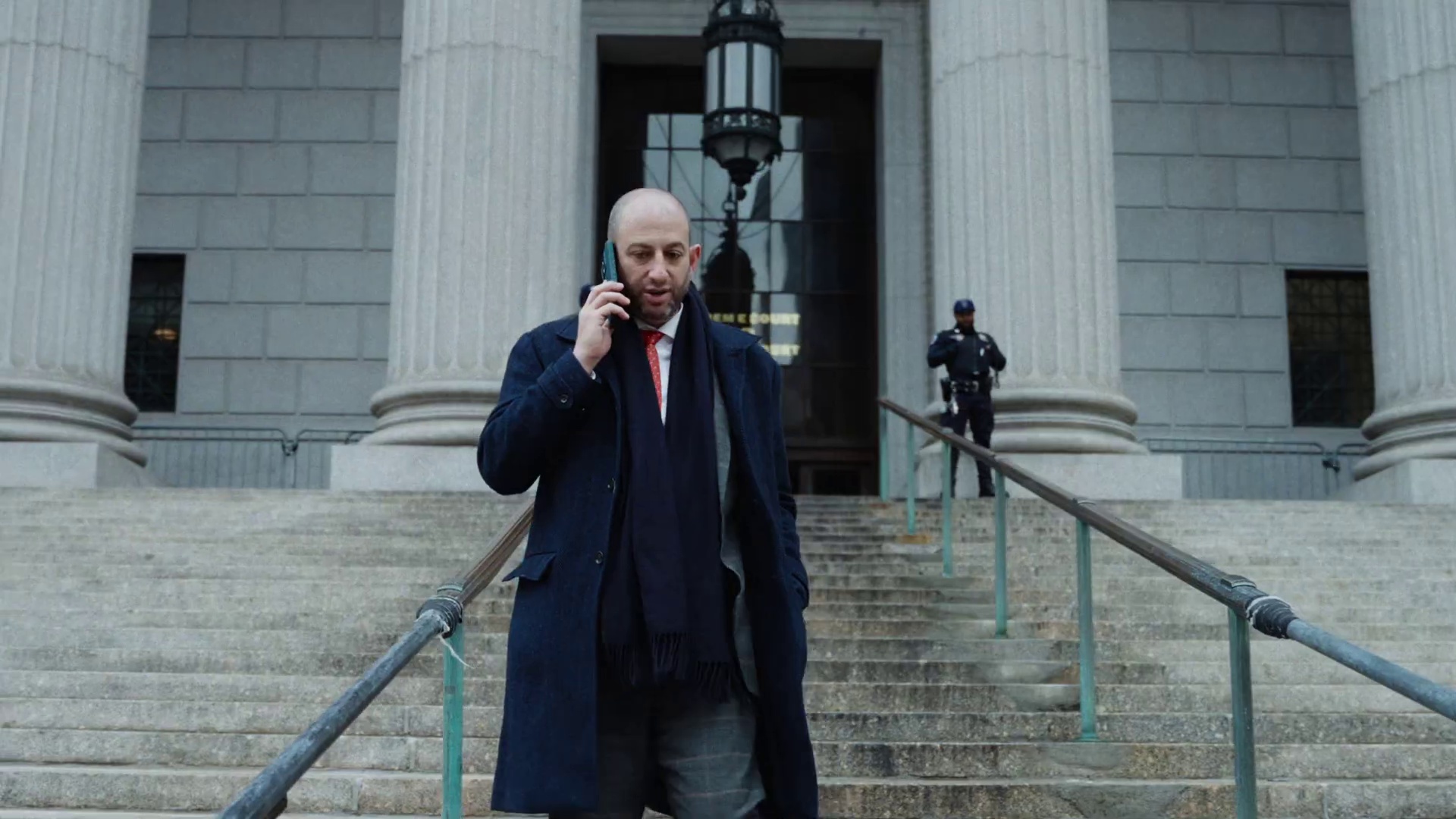
Todd Spodek
Lead Attorney & Founder
Featured on Netflix's "Inventing Anna," Todd Spodek brings decades of high-stakes criminal defense experience. His aggressive approach has secured dismissals and acquittals in cases others deemed unwinnable.
A Class D felony like first degree stalking carries a maximum sentence of seven years in prison along with a fine of up to five thousand dollars. A class E felony like second degree stalking carries a maximum sentence of four years in prison and a fine of up to five thousand dollars.

Your ex-partner has been showing up uninvited at your workplace and sending dozens of threatening text messages daily for the past three weeks. Last night, they followed you home from the grocery store and pounded on your door for twenty minutes while screaming threats, and you're afraid the situation is escalating.
Can I get both a restraining order and criminal charges filed against my ex for stalking and domestic violence in New York?
Under New York Penal Law § 120.45, your ex-partner's repeated following and threatening behavior likely constitutes stalking in the fourth degree, a class B misdemeanor, though the pattern you describe could support elevated charges under § 120.50 or § 120.55 depending on the circumstances. You can petition Family Court for an Order of Protection under Article 8 of the Family Court Act, which can mandate no contact, stay-away provisions, and other safeguards, while simultaneously pursuing criminal charges through the district attorney's office. Because New York treats domestic violence as an aggravating factor rather than a standalone charge, the stalking and harassment offenses themselves carry the criminal penalties, but the domestic relationship can influence bail decisions and sentencing under the Criminal Procedure Law. An experienced attorney can help you pursue both tracks simultaneously to maximize your immediate safety and long-term legal protection.
This is general information only. Contact us for advice specific to your situation.
It’s common for additional criminal charges to be levied against people who are charged with stalking in a domestic violence situation. These charges might carry penalties on top of the penalties for stalking if you are found guilty.
If you’ve been charged with a domestic violence crime, it is essential that you get a lawyer who understands domestic violence law in New York. Federal Lawyers is a group of lawyers who can help you understand your options and defend you.