




NY Penal Law § 156.25: Computer Tampering in the Third Degree
In the New York Penal code, the definition of “unlawful access of computers” is illegally accessing a computer or computer network, or allowing another person to have access. The crime of unauthorized access of a computer can entail a number of different activities, including deciphering another person’s secret password and utilizing it to access that person’s computer, sharing a password to other individuals who do not have authorization to access the computer, hacking into someone’s computer over the internet, or posing as another person in order to access computer services that would otherwise not be available to you. If you gain access to a computer without authorization and then you alter or destroy computer data, you would have committed the crime of computer tampering. In the New York criminal code, there are 4 different computer tampering crimes. The specific charge that you would be looking at greatly depends on the amount of damage you cause, your reason for altering or destroying the computer data and your prior criminal history. You have committed the crime of computer tampering in the third degree under New York Penal Law § 156.25 if you use or access a computer, computer service, or computer network without authorization and you intentionally alter or destroy computer data or a computer program of another person, and you also:
- Do it with the intention of committing a felony,
- Have previous convictions an offenses involving a computer or a theft of services crime that involves avoiding the payment for the use of a computer,
- Purposefully alter or destroy computer material, or
- Purposefully alter or destroy computer data or a computer program and the damages are in excess of $1,000.
An Example
Josiah hacked into the area telephone company’s computer system on a bet. When he did so, he shut off telephone service for 10 of their customers. Josiah could face prosecution for computer tampering in the third degree. The fact that Josiah gained access to the company’s internal computer system and made it so that the system would shut off the service of some of the customers would be sufficient to show that Josiah altered the computer data.
Offenses that are Related
Unauthorized use of a computer: New York Penal Law § 156.05
Computer trespass: New York Penal Law § 156.10
Criminal possession of computer related material: New York Penal Law § 156.35
Need Help With Your Case?
Don't face criminal charges alone. Our experienced defense attorneys are ready to fight for your rights and freedom.
- 100% Confidential
- Response Within 1 Hour
- No Obligation Consultation
Or call us directly:
(212) 300-5196Theft of services: New York Penal Law § 165.15
Computer tampering in the fourth degree: New York Penal Law § 156.20
Computer tampering in the second degree: New York Penal Law § 156.26
Possible Defenses
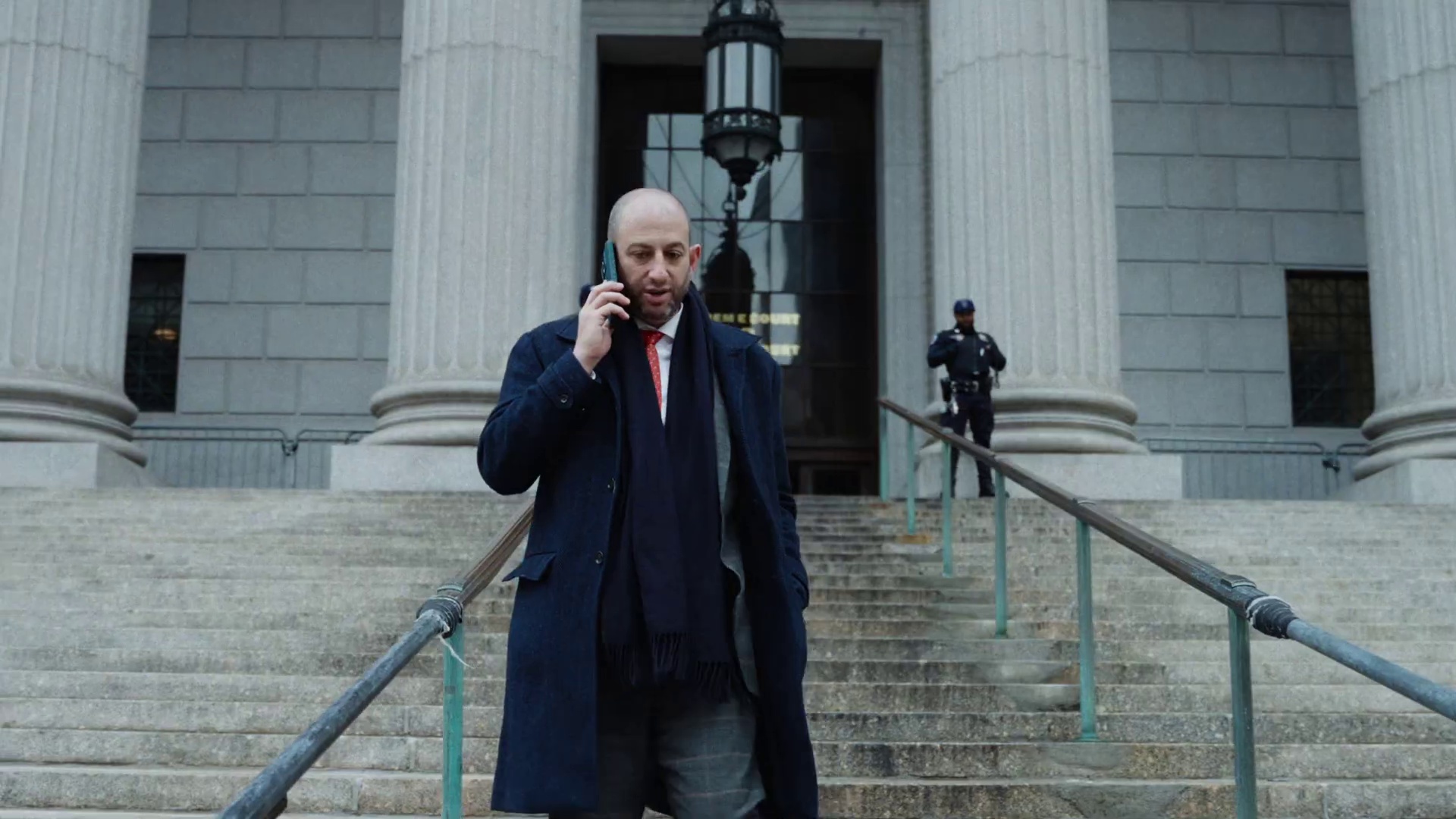
Todd Spodek
Lead Attorney & Founder
Featured on Netflix's "Inventing Anna," Todd Spodek brings decades of high-stakes criminal defense experience. His aggressive approach has secured dismissals and acquittals in cases others deemed unwinnable.
Pursuant to the computer tampering statute, a defense against this charge would be that you had a good reason to believe that you were authorized to alter or destroy the computer data. An alternative defense would be if you could demonstrate that you were not the one who altered or destroyed the material. For example, if the prosecutor’s case is built on the basis of evidence that the access to the computer was gained from an IP address owned by you, then if someone else utilized your IP address without your knowledge or without your permission to alter or destroy material on another computer, the prosecutor would have a tough time convincing a court that you are guilty.
Your ex-roommate changed the Netflix and email passwords you both used to share, but you figured out the new passwords by guessing security questions and logged into their accounts to retrieve your personal files and photos. Now your former roommate is threatening to press charges, claiming you illegally accessed their computer accounts.
Can I really face criminal charges just for guessing someone's password and logging into accounts I used to have access to?
Under NY Penal Law § 156.25, Computer Tampering in the Third Degree, you can be charged with a Class E felony if you intentionally altered or destroyed computer data or a computer program without authorization. Even if you once had legitimate access, that authorization ended when your roommate changed the passwords — circumventing those new credentials means your access was unauthorized under NY Penal Law § 156.05. The prosecution would need to prove you knowingly accessed the computer without permission and that you intentionally altered or damaged data or programs in the process. You should consult a criminal defense attorney immediately, as a Class E felony conviction can carry up to four years in state prison.
This is general information only. Contact us for advice specific to your situation.
The Sentence
Computer tampering in the third degree is categorized as a Class E felony. This means that, should you be convicted, the maximum prison sentence that you could get is 4 years. Your sentence might also include a probation term of 5 years as well as the obligation to pay a substantial fine.