




Prominently Featured In:

CNN
Netflix
Newsweek
Business Insider
Time

NY Penal Law § 121.12: Strangulation in the Second Degree

Understanding Strangulation and Choking Laws

To cause someone to stop breathing or to obstruct that person’s ability to breathe is against the law. Such actions are considered extremely serious by New York law enforcement because they frequently lead to severe injuries and even death. There are 3 criminal offenses under New York law related to choking or strangling another individual. One of these offenses is strangulation in the second degree.

Strangulation in the Second Degree

Pursuant to New York Penal Code § 121.12, you can be charged and prosecuted for strangulation in the second degree if you apply pressure on the throat or neck of another individual, or block another person’s nose or mouth, with intent to impede that person’s usual breathing or circulation of blood. For this charge, your action will have had to cause that person to:

  • Fall into a stupor or near-unconsciousness,
  • Completely lose consciousness, or
  • Sustain a physical injury
Share This Article:
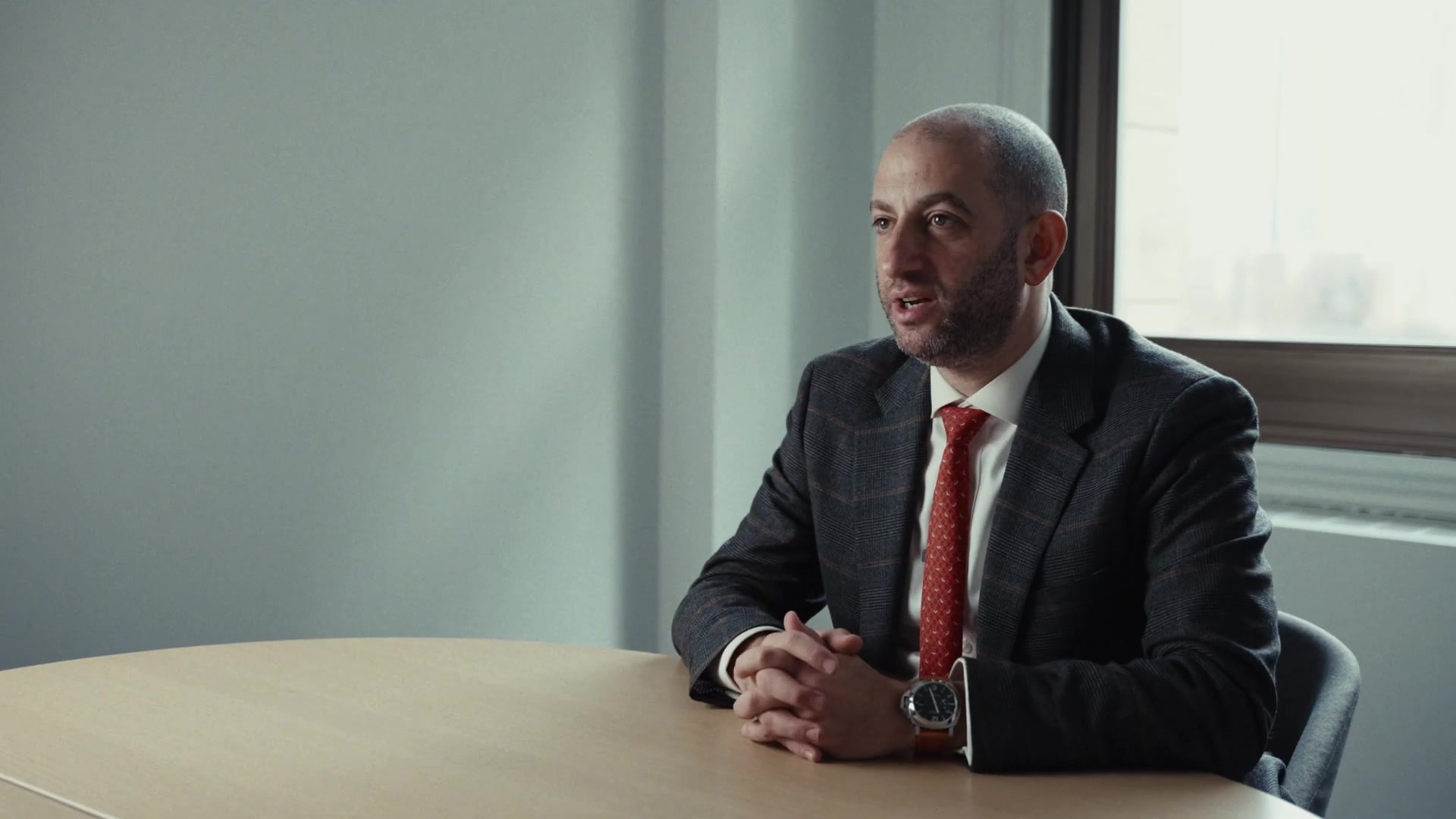
Todd Spodek
ABOUT THE AUTHOR

Todd Spodek

Managing Partner

With decades of experience in high-stakes federal criminal defense, Todd Spodek has built a reputation for aggressive, strategic representation. Featured on Netflix's "Inventing Anna," he has successfully defended clients facing federal charges, white-collar allegations, and complex criminal cases in federal courts nationwide.

Bar Admissions: New York State Bar New Jersey State Bar U.S. District Court, SDNY U.S. District Court, EDNY
View Attorney Profile

Federal Lawyers By The Numbers

36 Cases Handled This Year and counting
15,536+ Total Clients Served since 2005
95% Case Success Rate dismissals & reduced charges
50+ Years Combined Experience in criminal defense

Data as of February 2026

URGENT

Take Control of Your Situation

Our team is standing by to discuss your legal options

Get Advice From An Experienced Criminal Defense Lawyer

All You Have To Do Is Call (212) 300-5196 To Receive Your Free Case Evaluation.