





The Challenges and Rights of Non-Tenured Adjunct Faculty in New York
Are you a non-tenured adjunct professor in New York, struggling to navigate the complex landscape of your employment rights? You’re not alone. Adjunct faculty make up a significant portion of the teaching workforce in higher education, yet they often face unique challenges and uncertainties when it comes to their job security, compensation, and overall treatment.At Federal Lawyers, we understand the difficulties you may be facing as a non-tenured adjunct. Our experienced attorneys are here to provide you with the guidance and support you need to protect your rights and advocate for fair treatment in your workplace. In this comprehensive guide, we’ll explore the key issues affecting non-tenured adjunct faculty in New York and offer practical advice on how to address them.
Understanding Your Employment Status
One of the first steps in protecting your rights as a non-tenured adjunct is to clearly understand your employment status. In New York, adjunct faculty are typically hired on a semester-by-semester or year-to-year basis, without the job security and benefits that come with tenure. This means that your employment can be terminated at any time, for almost any reason – with some important exceptions.It’s crucial to carefully review your employment contract and any faculty handbooks or policies that govern your position. These documents should outline the terms of your employment, including your job duties, compensation, and any procedures for renewal or termination. If you have questions or concerns about your employment status, don’t hesitate to reach out to your department chair, human resources representative, or a knowledgeable employment attorney.
Need Help With Your Case?
Don't face criminal charges alone. Our experienced defense attorneys are ready to fight for your rights and freedom.
- 100% Confidential
- Response Within 1 Hour
- No Obligation Consultation
Or call us directly:
(212) 300-5196Protecting Your Academic Freedom
As an adjunct professor, you have the right to academic freedom – the ability to teach, research, and express your views without fear of censorship or retaliation. This fundamental principle is essential to the integrity of higher education and the free exchange of ideas. However, non-tenured faculty may feel particularly vulnerable when it comes to exercising their academic freedom, given their precarious employment status.If you believe your academic freedom has been violated, there are steps you can take to protect your rights. Document any incidents or communications that you feel infringe upon your freedom of expression, and consider reaching out to your faculty union or professional association for support. In some cases, you may need to file a formal complaint or grievance to address the issue.
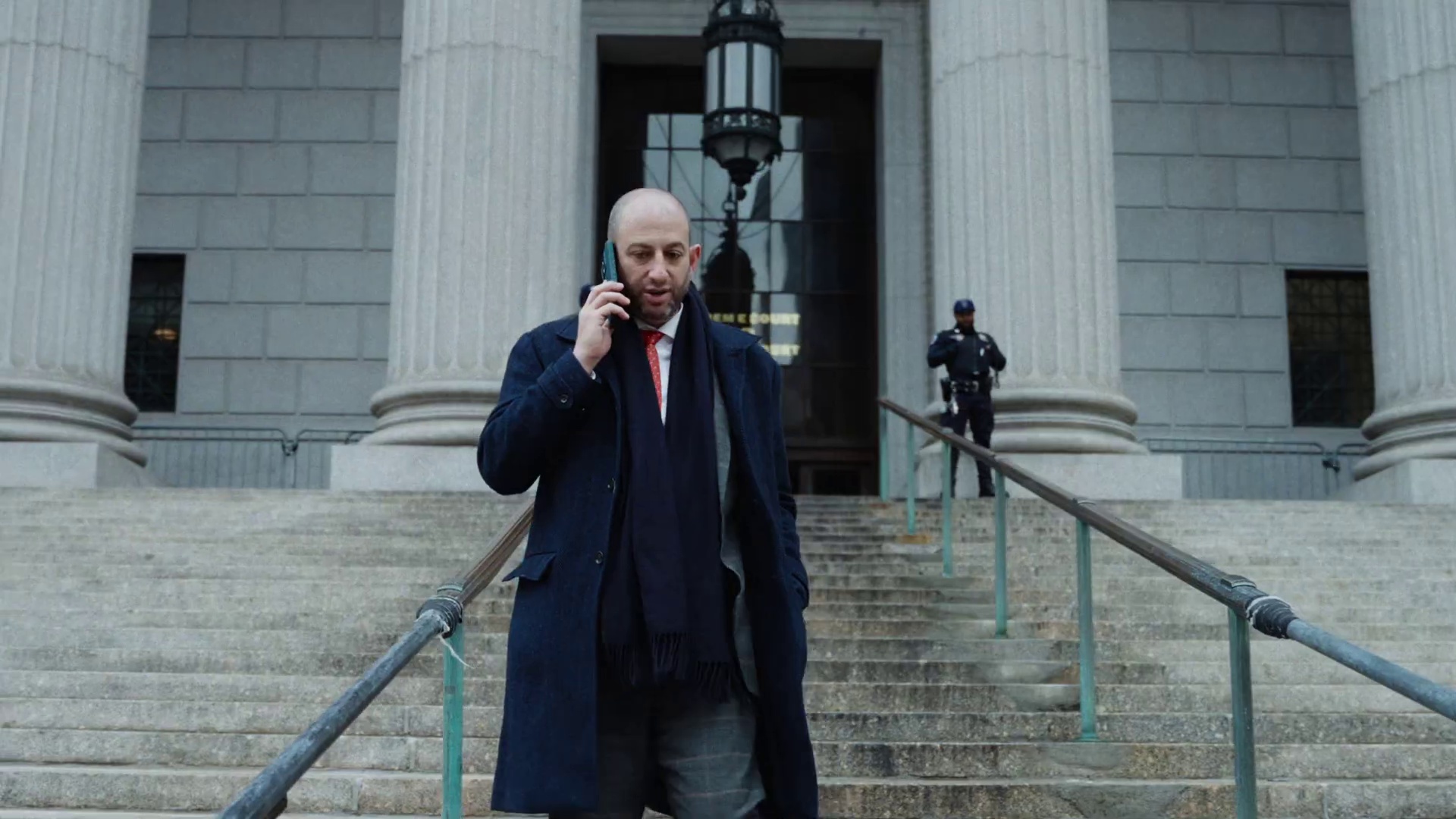
Todd Spodek
Lead Attorney & Founder
Featured on Netflix's "Inventing Anna," Todd Spodek brings decades of high-stakes criminal defense experience. His aggressive approach has secured dismissals and acquittals in cases others deemed unwinnable.

After teaching three courses per semester for six years at a CUNY community college, you receive an email stating your contract will not be renewed next fall — with no explanation and no opportunity to appeal. You suspect the decision is retaliation for speaking out at a faculty senate meeting about unsafe classroom conditions.
As a non-tenured adjunct professor in New York, do I have any legal protections against being let go without cause, especially if I believe it's retaliation for protected speech?
While non-tenured adjunct faculty in New York generally serve on at-will or fixed-term contracts, you may have significant legal protections under several frameworks. If you spoke out about workplace safety, you could be protected under New York Labor Law § 740, the state's whistleblower statute, which prohibits retaliation against employees who report unsafe conditions. Additionally, if your institution is public, the First Amendment and the U.S. Supreme Court's ruling in Garcetti v. Ceballos may protect speech made as a private citizen on matters of public concern. You should also review your institution's collective bargaining agreement — many CUNY adjuncts are represented by the Professional Staff Congress (PSC-CUNY), which may provide grievance procedures and protections against arbitrary non-renewal that go beyond what the law alone requires.
This is general information only. Contact us for advice specific to your situation.
Advocating for Fair Compensation and Benefits
One of the most pressing concerns for many adjunct faculty is the issue of fair compensation and benefits. Adjuncts often earn significantly less than their tenure-track colleagues, despite performing similar teaching duties. Additionally, many adjuncts do not receive health insurance, retirement benefits, or other crucial supports.If you feel that your compensation or benefits are inadequate, there are several avenues you can explore to advocate for change. Consider joining or organizing with your fellow adjuncts to collectively bargain for better pay and working conditions. You can also reach out to your institution’s administration or governing board to express your concerns and propose solutions. In some cases, legal action may be necessary to address systemic issues of unfair compensation.