





New York has a zero tolerance policy when it comes to driving while intoxicated. They impose strict penalties on those who are found guilty of the offense. In order for the state to have evidence that you were actually driving while intoxicated, though, they the arresting officer usually asks you to consent to a blood alcohol test. You might have refused this test, and if you did, the DMV will usually impose an administrative suspension on your license that makes it so that you can’t legally drive unless you apply for and get granted a hardship license.
Implied Consent Law
Many people refuse to submit to BAC tests because it used to be that when the State didn’t have chemical evidence proving that your BAC was over the legal limit of 0.08%, then your case would get thrown out for insufficient evidence. Some people were essentially getting away with drunk driving, so states like New York sought to rectify this by imposing implied consent laws on citizens. Implied consent makes it so that if you refuse to consent to a BAC, there will be some backlash from the DMV, if not from the judicial system.
Need Help With Your Case?
Don't face criminal charges alone. Our experienced defense attorneys are ready to fight for your rights and freedom.
- 100% Confidential
- Response Within 1 Hour
- No Obligation Consultation
Or call us directly:
(212) 300-5196Report of Refusal
However, maybe you really hadn’t been drinking, or maybe you just felt like your rights were being violated. Just because you didn’t submit to a BAC test doesn’t necessarily mean that your side of the story can’t be heard because it can. When a “Report of Refusal” is filed, you are given a chance to tell your side of things if you request a “Refusal Hearing.”
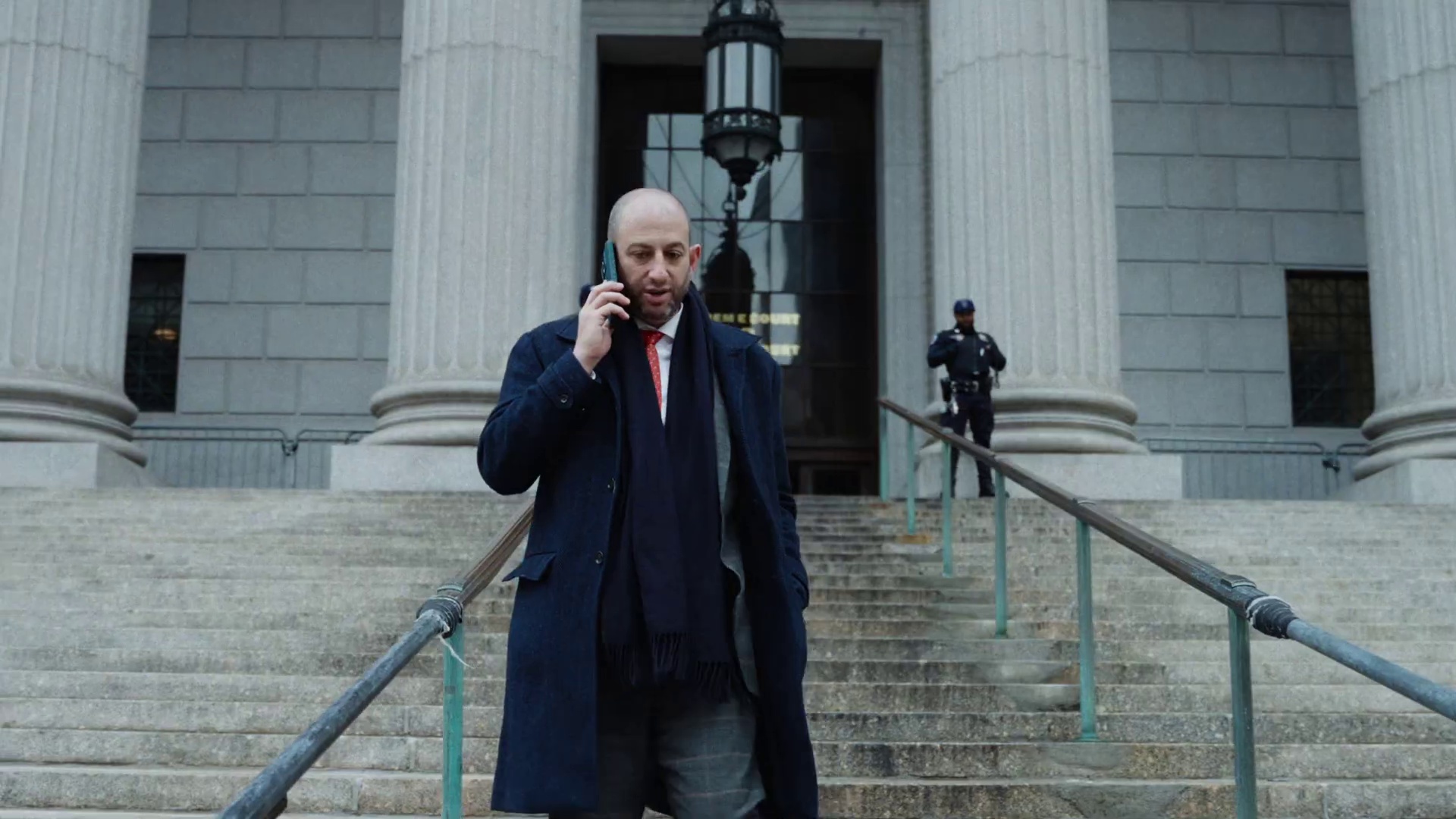
Todd Spodek
Lead Attorney & Founder
Featured on Netflix's "Inventing Anna," Todd Spodek brings decades of high-stakes criminal defense experience. His aggressive approach has secured dismissals and acquittals in cases others deemed unwinnable.

You were pulled over at a DWI checkpoint on the Long Island Expressway and refused to take the breathalyzer test when the officer requested it. A few weeks later, you received a notice from the DMV scheduling a refusal hearing and warning that your license could be revoked for at least one year.
What happens at a DMV refusal hearing, and is there any way I can keep my license after refusing the breath test?
Under New York Vehicle and Traffic Law Section 1194, when you refused the chemical test, you triggered an administrative proceeding separate from any criminal DWI charges. At the refusal hearing, the DMV administrative law judge will determine whether the officer had reasonable grounds to believe you were intoxicated, whether you were lawfully arrested, whether you were properly warned that refusing would result in license revocation, and whether you did in fact refuse. If the ALJ finds against you, your license will be revoked for at least one year and you will face a $500 civil penalty — but an experienced attorney can challenge the officer's basis for the stop and the adequacy of the refusal warnings to fight for a favorable outcome.
This is general information only. Contact us for advice specific to your situation.
What is a Refusal Hearing?
A “Refusal Hearing” is an administrative hearing where you get to go before the people in charge of suspending your license and plead your side of why you refused to take the BAC test. A Refusal Hearing is separate from any criminal charges you’re facing – it’s purely administrative, and it is beneficial for you to at least try to state your case at the Refusal Hearing because if you win the hearing, it could have some bearing on your criminal case’s outcome. It would also make your life so much easier since you wouldn’t have to go through the trouble of getting a hardship license until your case is settled.