




7 Business Owners Who Were Drowning in MCA Debt and Came Out the Other Side
The Stories That Do Not Make the News
MCA defaults produce headlines when they involve lawsuits, FTC actions, or bankruptcies of recognizable companies. They do not produce headlines when a business owner, overwhelmed by stacked advances and daily debits, engages an attorney, settles the debt at a fraction of the claimed amount, and returns to operating the business. The resolution is quiet. The quiet is the point. What follows are seven situations (details altered to preserve confidentiality) in which the outcome was not the one the funder expected.
The Restaurant With Three Advances
A restaurant owner in the southeast signed three MCA agreements in eighteen months. Combined daily debits exceeded $1,400. Monthly revenue had declined thirty percent from the period used to underwrite the advances. The owner had not invoked the reconciliation clause in any of the three agreements. An attorney reviewed the contracts, submitted reconciliation requests to all three funders simultaneously, and demonstrated that the actual daily revenue could not support the agreed payment structure. Two of the three funders settled at forty‑two percent of the outstanding balance. The third, after a motion to challenge the confession of judgment revealed a procedural defect in the filing, settled at thirty‑eight percent. The restaurant is still open.
The Trucking Company Facing a Confession of Judgment
A trucking company in the midwest discovered its bank accounts had been frozen after a New York funder filed a confession of judgment. The company’s owner had never been to New York. The 2019 amendment to CPLR Section 3218 prohibited exactly this filing. The attorney filed a motion to vacate. The judgment was vacated within three weeks. The funder, having lost its primary enforcement mechanism, agreed to a settlement at forty‑five percent. The owner told us afterward that he had been prepared to close the company on the day the accounts were frozen.
The Contractor Whose Customers Received UCC Lien Notices
A general contractor’s largest clients received UCC lien demand notices from an MCA funder, instructing them to redirect payments. Two clients froze all payments pending clarification. The attorney reviewed the assignment and determined that the notices lacked proper authentication under UCC Section 9‑406. A demand for proof of assignment was sent to the funder. The funder could not provide compliant documentation. The notices were withdrawn. The clients resumed payment to the contractor. The underlying MCA was settled at fifty‑one percent.
The Medical Practice With a Personal Guarantee
Need Help With Your Case?
Don't face criminal charges alone. Our experienced defense attorneys are ready to fight for your rights and freedom.
- 100% Confidential
- Response Within 1 Hour
- No Obligation Consultation
Or call us directly:
(212) 300-5196A physician who operated a small practice had signed an MCA with an unlimited personal guarantee. After default, the funder threatened to pursue the physician’s personal residence. An attorney examined the effective APR of the advance, which, when the factor rate was annualized, exceeded one hundred forty percent. The attorney raised the usury defense. The funder, facing the possibility that the entire agreement could be voided (and with it, the personal guarantee), settled the business obligation at forty‑seven percent and released the personal guarantee entirely. The physician’s home was never at risk. But the physician did not know that until someone examined the contract.
The Salon Owner Who Was Told to Close
A salon owner had engaged a debt relief company that advised her to stop payments, save the money, and wait for a settlement. Four months later, the funder had filed a confession of judgment, frozen the business account, and begun contacting the salon’s wholesale suppliers. The debt relief company had not filed any legal challenge. The salon owner terminated the relationship and engaged an attorney, who moved to vacate the COJ on the basis that the underlying agreement functioned as a usurious loan. The motion succeeded. The settlement that followed was at forty‑four percent. The salon owner’s observation, which I will paraphrase: the relief company’s plan was to let everything happen and then ask the funder to be reasonable.
Funders are not reasonable. They are strategic. The response must be equally so.
The Retail Store With the Defective Contract
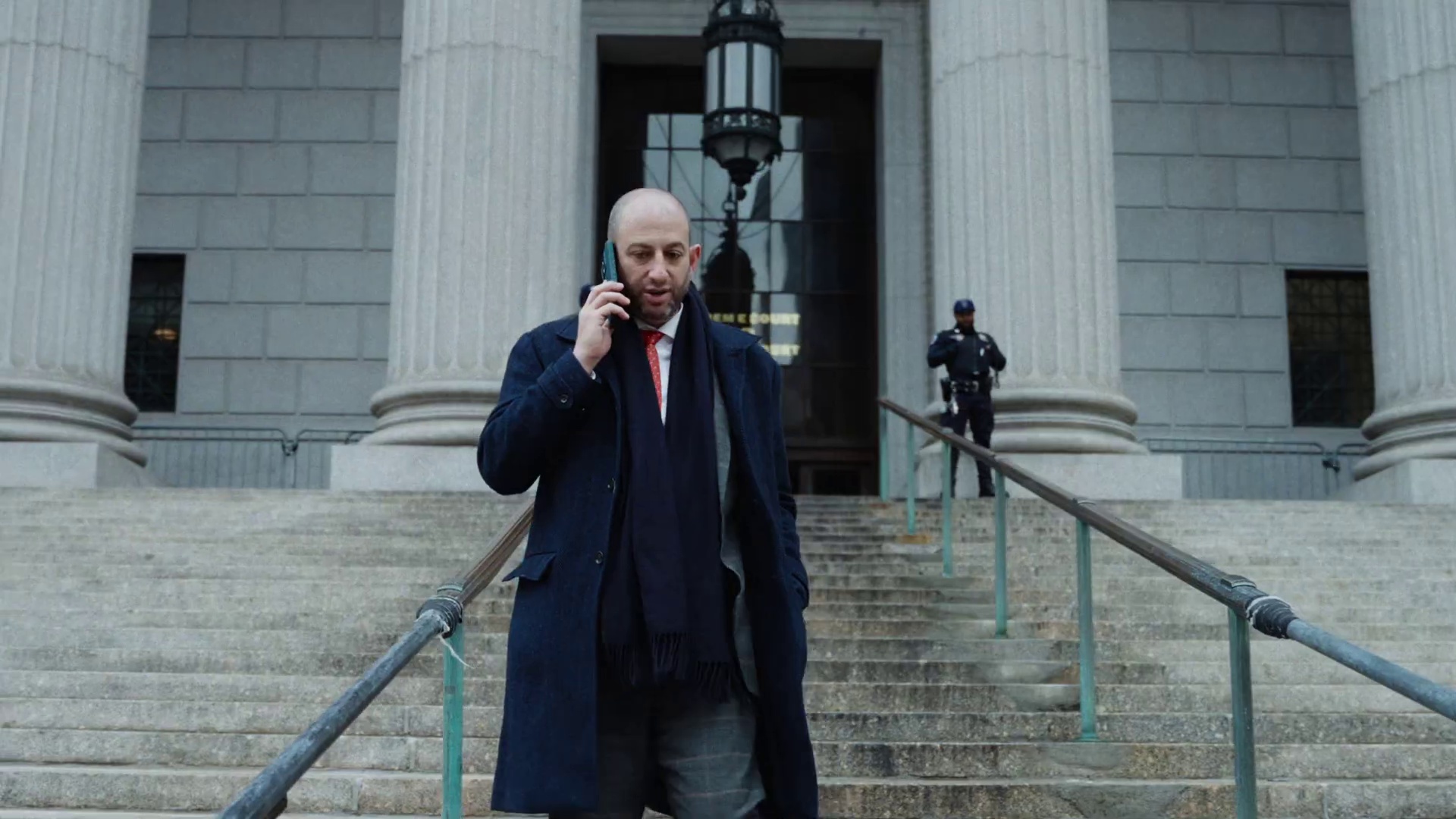
Todd Spodek
Lead Attorney & Founder
Featured on Netflix's "Inventing Anna," Todd Spodek brings decades of high-stakes criminal defense experience. His aggressive approach has secured dismissals and acquittals in cases others deemed unwinnable.
A retail store owner signed an MCA agreement that contained a reconciliation clause the funder had never honored. The daily payment remained constant despite a documented forty percent decline in revenue. An attorney invoked the reconciliation provision formally and, when the funder refused to adjust, argued that the refusal demonstrated the arrangement was a loan, not a purchase of receivables. The funder settled at thirty‑nine percent rather than litigate a case in which its own contract worked against it.
The Auto Shop That Was Stacking to Survive
An auto repair shop had five active MCA agreements. Combined daily debits totaled more than the shop’s average daily revenue. The owner had taken each subsequent advance to cover the payments on the previous one. An attorney reviewed all five agreements and identified overlapping UCC liens, conflicting security interests, and two contracts whose effective APRs exceeded the criminal usury threshold. The attorney negotiated with all five funders concurrently, using the leverage of potential usury claims and the practical reality that none of the funders would recover the full amount from a bankrupt business. Total settlement: forty‑six percent of the combined outstanding balance. The shop is operational. The owner sleeps.
These seven outcomes share a common element: each one required someone to examine the contract, identify its weaknesses, and use those weaknesses in a negotiation the funder did not expect to encounter. The debt did not resolve itself. The panic did not produce a strategy. The strategy arrived when someone who understood the instruments began to work on behalf of the person who signed them.