




5 Ways to Respond When Your MCA Company Threatens to Contact Your Customers
The Letter That Arrives Before the Letter
The threat comes before the action, and the threat is the point. When an MCA funder tells you they intend to contact your customers, they are not informing you of a next step. They are testing whether fear alone will produce a payment. In seven of the last twelve cases we reviewed involving customer contact threats, the funder never followed through. The threat was sufficient. The business owner paid from a reserve that should have covered payroll.
This does not mean the threat is empty. It means the response matters more than the fear.
Understand What the Contract Actually Permits
The first response is the most tedious and the most consequential. Retrieve the MCA agreement and locate the assignment of receivables clause. This clause, if it exists, is the legal mechanism that permits the funder to contact your customers. Under UCC Section 9‑406, an MCA funder who has purchased your future receivables may notify your account debtors (your customers) that payments should be redirected. But the clause must be specific, the assignment must be valid, and the notice must be properly authenticated.
Many MCA agreements contain language broad enough to suggest this power exists even where the underlying assignment would not survive scrutiny. The contract you signed at speed, in a conference room or at a kitchen table, may not say what the funder claims it says. An attorney who works with MCA contracts can tell you in an afternoon whether the customer contact provision is enforceable or whether it is a paper threat dressed in legal language.
Respond in Writing, Not on the Phone
The second response is procedural and deliberate. When a funder threatens customer contact, the instinct is to call back, argue, plead. Do not. Respond in writing. A written response creates a record. A phone call creates a memory, and memories are unreliable witnesses.
The written response should do three things: acknowledge that you received the communication, request written proof of the assignment under UCC Section 9‑406 (which the funder is required to provide if asked), and state that you dispute the right to contact your customers absent valid documentation. You are not conceding the debt. You are requiring the funder to prove the mechanism they claim entitles them to reach your clients. If the proof does not arrive, the threat was posture. If it does arrive, you now have a document your attorney can evaluate.
Notify Your Customers Before the Funder Does
The third response is uncomfortable, and it is often the wisest. If customer contact is likely (not merely threatened, but probable), consider reaching out to your key accounts first. A brief, professional communication explaining that a financing matter is being resolved and that they may receive correspondence from a third party is not an admission of weakness. It is a demonstration of control.
Need Help With Your Case?
Don't face criminal charges alone. Our experienced defense attorneys are ready to fight for your rights and freedom.
- 100% Confidential
- Response Within 1 Hour
- No Obligation Consultation
Or call us directly:
(212) 300-5196The alternative is your largest client receiving a letter from an entity they have never heard of, demanding that future payments be redirected to an address in midtown Manhattan. The confusion alone can fracture a relationship that took years to construct. I have seen this happen to a contractor in February whose single largest account, a municipal project worth six figures annually, froze all payments for eleven weeks while the assignment dispute was litigated. The contractor did not lose the account. But eleven weeks without that revenue nearly accomplished what the funder could not.
Challenge the Notice if It Has Already Been Sent
The fourth response applies when the threat has already materialized. If your customers have received a UCC lien demand notice or an assignment notification, you have the right to demand that the funder provide reasonable proof of the assignment. Your customers, under the same statute, have the right to request that proof before redirecting any payments. If the funder fails to furnish it, your customers may continue paying you without risk of double liability.
This is not always straightforward. The funder’s notice, if properly authenticated (sent on company letterhead, referencing the specific agreement), creates an obligation your customers cannot simply ignore. But authentication has requirements. And MCA funders, particularly those operating through multiple entities and subsidiaries, do not always meet them.
The notice your customer received may look official. Whether it is enforceable is a different question, and the difference between those two things is where the negotiation lives.
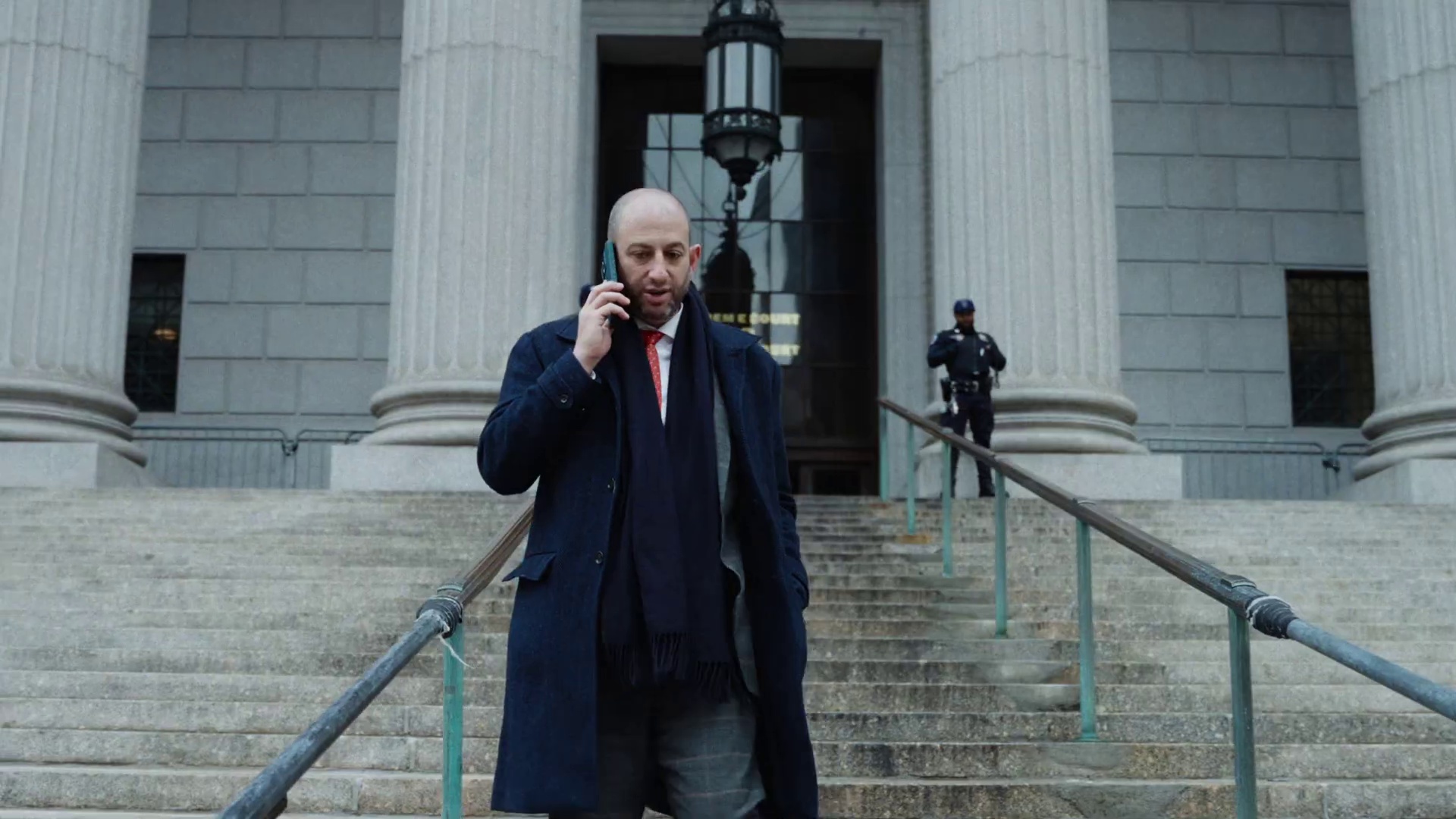
Todd Spodek
Lead Attorney & Founder
Featured on Netflix's "Inventing Anna," Todd Spodek brings decades of high-stakes criminal defense experience. His aggressive approach has secured dismissals and acquittals in cases others deemed unwinnable.
Engage an Attorney Who Understands the Funder’s Playbook
The fifth response is the one that makes the other four effective. An attorney experienced in MCA defense can file a motion to quash improper assignment notices, challenge the validity of the UCC lien itself, and in some cases obtain injunctive relief preventing further customer contact while the dispute is resolved. The funder is counting on the fact that most business owners do not know these options exist. That assumption is, in a significant number of cases, correct.
But you are reading this, which means the assumption no longer applies to you.
The threat to contact your customers is designed to isolate you, to make you feel that the damage is inevitable and the only exit is payment on the funder’s terms. It is not. The law provides mechanisms for challenging improper notices, for requiring proof, for protecting the relationships your business depends on. The question is not whether those mechanisms exist. The question is whether someone invokes them on your behalf before the funder’s letter reaches your client’s desk.
A consultation is where that process begins.