5 Things to Do Right Now If You Cannot Make Your MCA Payments This Week
The payment will fail, and what follows will not resemble anything a bank would do.
Most business owners who reach this moment have already spent weeks watching the arithmetic close in. The daily ACH withdrawal that once felt manageable now arrives like a second rent payment, except rent is monthly, and this is every morning before the doors open. By the time you are reading this sentence, the funder has almost certainly noticed the pattern in your account balance. They monitor it. That is not speculation.
What separates the businesses that survive this week from those that do not is a set of decisions made in the next seventy-two hours. Not next month. Not after the next sales cycle. Now.
The Withdrawal You Cannot Afford to Ignore
Before the first failed ACH attempt, before the funder's collections team places its first call, the contract you signed has already determined most of what happens next. In eight of the last ten MCA agreements we have reviewed, a single missed payment triggers an acceleration clause. The remaining balance, the entire sum, becomes due immediately. Not in installments. Not on a revised schedule. All of it, at once, on a Tuesday morning when you were trying to make payroll.
The instinct is to block the withdrawal. Revoke the ACH authorization through your bank, close the account, move the money. This instinct is understandable. It is also, in most cases, the fastest way to escalate every provision in the contract simultaneously.
You do not solve a debt problem by hiding from the mechanism that collects it.
Invoke the Reconciliation Clause Before They Invoke the Default
Your MCA agreement almost certainly contains a reconciliation provision. It is the clause that permits an adjustment to your daily payment when your revenue declines. Most business owners do not know it exists. Most funders prefer it that way.
"The clause is always there. The process for activating it is designed to be invisible."
In nine of the fourteen contracts we examined last quarter, the reconciliation clause required the merchant to initiate the request in writing, provide documentation of revenue decline, and submit within a specific window (often ten business days). The funder is under no obligation to remind you this right exists. If your revenue has dropped, request reconciliation before you miss a payment. The request itself creates a paper trail that matters if the dispute escalates to litigation.
A 2024 ruling in New York's Second Department confirmed that a merchant who never engaged the reconciliation procedure could not later argue the clause was illusory. The court held that the funder had established its entitlement to judgment. The lesson is procedural, not moral: assert the right or lose the argument.
Open a Parallel Bank Account
This is not evasion. This is triage.
If your primary business account is the one authorized for ACH withdrawals, every dollar that enters it is exposed. Payroll, vendor payments, operating expenses: all of it sits in the path of the funder's daily deduction. In three cases this year alone, we observed businesses lose the ability to pay employees because the funder's repeated withdrawal attempts (including failed ones, which generate overdraft fees) drained the account below the operating threshold.
Open a second business account at a different institution. Begin routing new receivables to it. The original account remains open, remains compliant with the existing ACH authorization, but your operational funds are no longer a single point of failure. This does not violate the contract. It preserves the business while you negotiate. Whether courts will regard this differently in the context of a specific agreement is a question worth considering.
Need Help With Your Case?
Don't face criminal charges alone. Our experienced defense attorneys are ready to fight for your rights and freedom.
- 100% Confidential
- Response Within 1 Hour
- No Obligation Consultation
Or call us directly:
(212) 300-5196Contact the Funder, But Only After You Have Counsel
The funder will call you. In most cases, within twenty-four to seventy-two hours of a failed withdrawal. The tone of that call will vary, but the objective does not: they want payment, and they want you to agree to something on the phone before you have spoken to an attorney.
Do not negotiate alone. MCA funders are not regulated the way banks are. The person calling you has done this hundreds of times. You have done it, if you are fortunate, never.
And here is the part most articles on this subject omit: the funder may offer you a new advance to cover the shortfall. A second MCA, layered on top of the first. They may call it a consolidation. It is not. It is an additional purchase of your future receivables at a factor rate that will compound the problem into something a spreadsheet can no longer contain. In the spring of 2024, I reviewed a file where a restaurant owner had accepted three such offers in eleven months. The total repayment obligation exceeded his annual gross revenue.
I understand why he said yes each time.
Engage an Attorney Who Knows the Difference Between a Loan and a Purchase
The January 2025 settlement between the New York Attorney General and Yellowstone Capital resulted in over one billion dollars in judgment and the cancellation of more than five hundred million dollars in outstanding merchant debt. The core allegation was not complex: the advances were loans disguised as purchases of future receivables, carrying effective interest rates that reached, in some instances, eight hundred percent annually.
New York courts now apply a three factor test to determine whether an MCA is a genuine sale of receivables or a loan subject to usury limits. The court examines the reconciliation provision, the treatment of bankruptcy, and risk allocation. If the agreement lacks genuine reconciliation, if the funder retains recourse against you personally through a guarantee that eliminates their risk, the contract may not be what it claims to be.
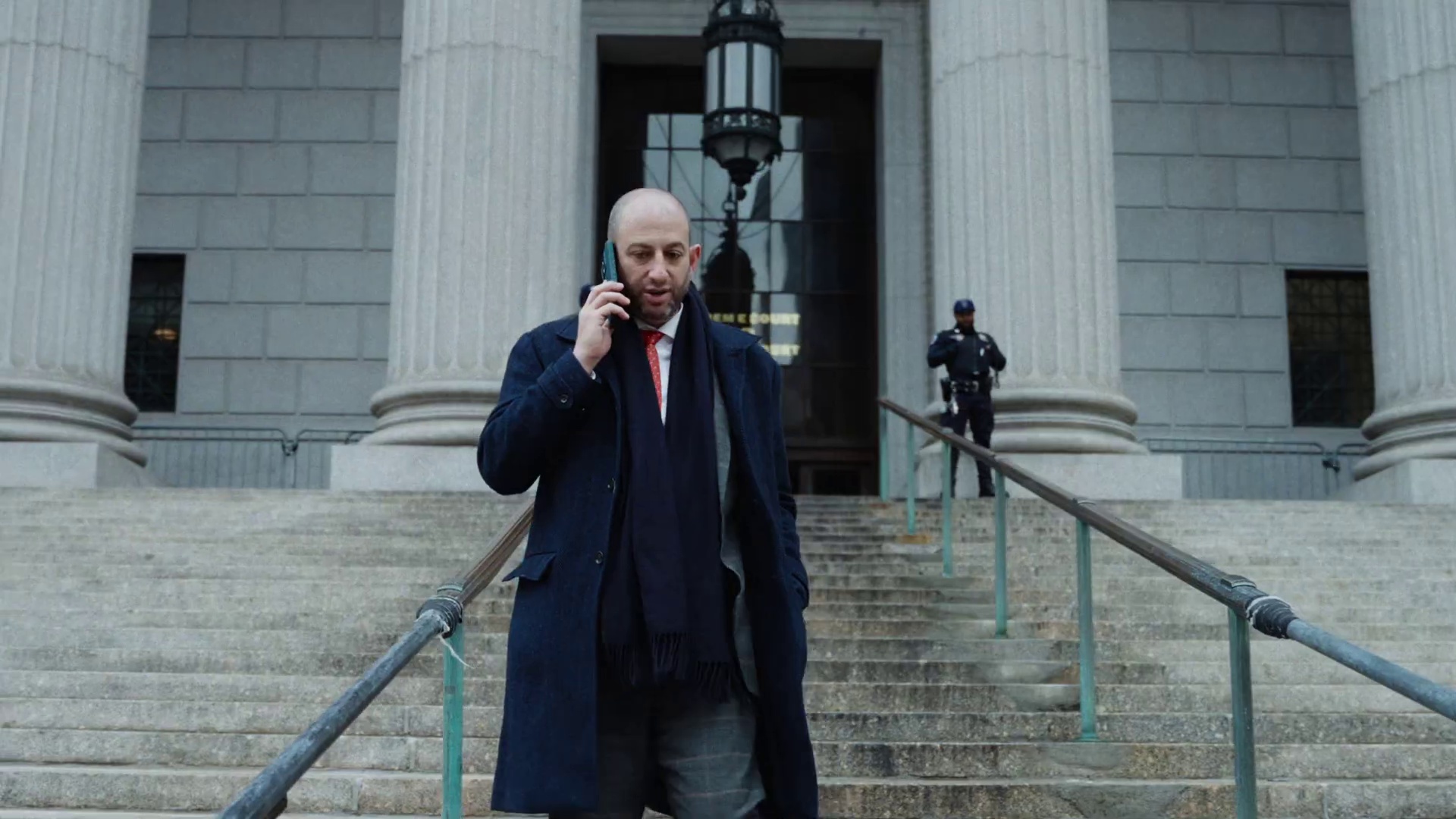
Todd Spodek
Lead Attorney & Founder
Featured on Netflix's "Inventing Anna," Todd Spodek brings decades of high-stakes criminal defense experience. His aggressive approach has secured dismissals and acquittals in cases others deemed unwinnable.
This distinction is not academic. It is the difference between a debt you owe in full and a contract that may be void.
But you will not know which side of that line you stand on until an attorney reads the document sitting in your desk drawer, the one you signed nine months ago and have not opened since.
The Seventy-Two Hours That Determine the Next Twelve Months
The businesses that come through this are not the ones with the most resources. They are the ones that treated the first missed payment as a legal event, not a financial inconvenience.
Invoke reconciliation. Separate your operating funds. Retain counsel. Do not accept new debt to service existing debt. And do not assume that silence, on either side of the conversation, is a strategy.
A consultation with an attorney who practices in this space is not a commitment to litigation. It is a diagnosis. And the difference between the two is something every business owner in this position deserves to understand before the funder's attorney understands it for them.