




5 Things Salon and Spa Owners Need to Know Before Their MCA Goes to Collections
The Business That Runs on Relationships
A salon is not a balance sheet. It is a network of relationships between stylists and clients, built over years, sustained by consistency, and vulnerable to disruption in ways that a funder’s collections department neither understands nor considers. When an MCA goes to collections, the funder’s tactics (contacting your processor, sending notices to vendors, potentially reaching out to the business’s clients) threaten the relational fabric on which the business depends. Knowing what comes next, before it arrives, is the difference between managing the situation and being managed by it.
Collections Begin Sooner Than You Expect
The first thing to know is temporal. MCA funders do not observe a long grace period. Once payments begin bouncing, the collections process can initiate within days, not weeks. Automated systems flag failed ACH debits rapidly, and the transition from the servicing department to the collections department (or to an outside collections attorney) can occur without notice. If your payments have bounced twice, collections may already be underway.
The Funder May Contact Your Credit Card Processor
The second thing to know is operational and potentially devastating for a salon. Many MCA agreements authorize the funder to redirect your credit card processing revenue. If the funder contacts your processor and exercises this right, your daily card transactions (which, for most salons, represent the majority of revenue) flow to the funder rather than to your business account. You discover this when the day’s receipts do not deposit. Your stylists, who may be booth renters or commission employees, discover it when their compensation does not arrive.
Your Client List Is Not a Collection Target, but Protect It
The third thing concerns your clients directly. If the MCA agreement includes an assignment of receivables and your business invoices clients (corporate accounts, bridal parties, institutional arrangements), the funder may attempt to redirect those payments. For most salon and spa businesses, the majority of transactions are point‑of‑sale and do not involve receivables in the traditional sense. But if you have any accounts receivable, however small, they may be subject to the funder’s lien. Identify whether any such accounts exist and, if so, communicate with those clients before the funder does.
Need Help With Your Case?
Don't face criminal charges alone. Our experienced defense attorneys are ready to fight for your rights and freedom.
- 100% Confidential
- Response Within 1 Hour
- No Obligation Consultation
Or call us directly:
(212) 300-5196Your Stylists Need to Know Something, Even if Not Everything
The fourth thing is about the people who work in your salon. If a collections action disrupts your processor or your bank account, the effect on your team is immediate. Booth renters whose payments are delayed, commission employees whose checks bounce, assistants whose hours are cut: each of these consequences affects a person who depends on the business you are trying to save. They do not need to know the details of the MCA agreement. They may need to know that a financial matter is being addressed and that their compensation is being protected through a separate account or payment arrangement. Transparency, calibrated to what is appropriate, preserves the trust that holds the team together.
The Contract May Be Your Best Defense
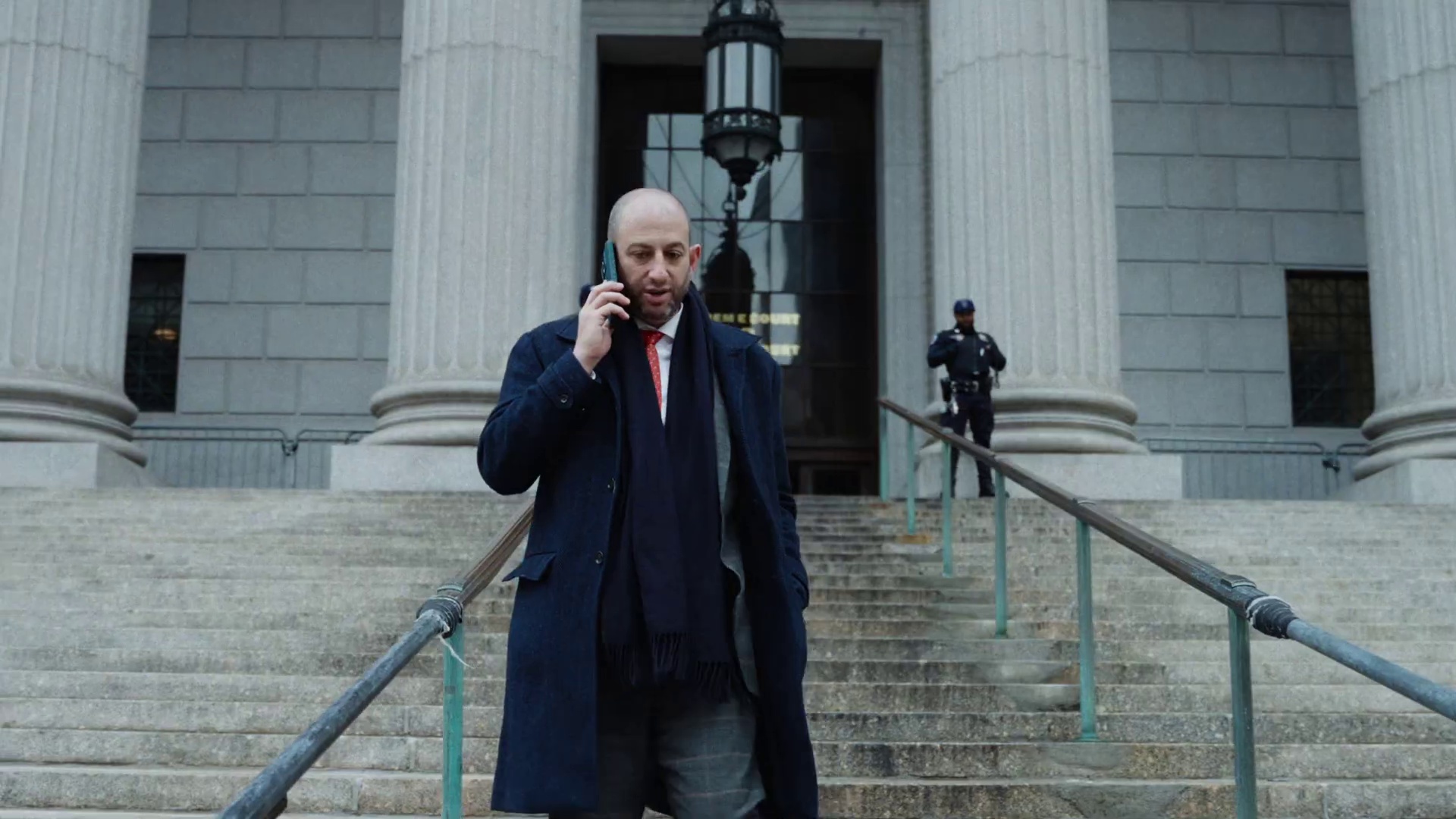
Todd Spodek
Lead Attorney & Founder
Featured on Netflix's "Inventing Anna," Todd Spodek brings decades of high-stakes criminal defense experience. His aggressive approach has secured dismissals and acquittals in cases others deemed unwinnable.
The fifth thing is the one that changes the trajectory. Salons and spas have revenue patterns that vary by season, by week, and by day. If your MCA agreement purports to be a purchase of future receivables but debits a fixed daily amount regardless of your actual sales, the agreement may be reclassifiable as a loan. A loan with the effective APR that most MCA factor rates produce is, in many jurisdictions, usurious. A usurious loan is void. A void loan cannot go to collections because there is nothing enforceable to collect.
This is not a certainty. It is a possibility that an attorney can evaluate by reading the agreement and reviewing your payment history. The evaluation takes less time than the anxiety that precedes it.
The salon is still booking appointments. The chairs are still occupied. The business the funder is trying to collect from is still, despite the pressure, producing the revenue that makes resolution possible. A consultation is where the plan takes shape.