5 Critical Mistakes to Avoid After Receiving a Target Letter
The indictment, in most cases, was not inevitable. What made it so was what happened in the weeks after the letter arrived.
Federal investigations that produce target letters have typically been underway for months. The evidence already gathered is, by definition, substantial. But the period between the letter and any formal charge is not empty. It is a window, sometimes narrow, in which the trajectory of a prosecution can be altered. That window closes faster when the recipient takes any of the following steps.
Speaking to Investigators Without Counsel
Federal agents who appear at your door after a target letter has been issued are not there to hear your side of the story. They are there to gather additional evidence. The conversation feels like an opportunity to clarify. It is an opportunity for them to document inconsistencies between what you say and what the grand jury has already been told.
The Fifth Amendment right to remain silent applies at this stage with full force. You are not obligated to speak. You are not required to invite agents inside, to answer questions on the doorstep, or to agree to a voluntary interview. A polite statement that you are represented by counsel and that your attorney will be in contact is the entirety of an appropriate response.
I have reviewed transcripts of voluntary interviews that began with a recipient’s genuine belief that candor would help. It rarely did.
Discussing the Investigation with Potential Witnesses
The people closest to you, colleagues, partners, employees, and family members with knowledge of the relevant transactions, are potential witnesses. Federal law prohibits the obstruction of a federal investigation, and obstruction can be established through conversations that were never intended as obstruction. Urging someone to remember events differently, suggesting that certain topics need not be mentioned, or coordinating accounts before anyone has spoken with an attorney are each sufficient to support a separate charge.
In 2022, a defendant in the Southern District of New York received a sentence enhancement not for the underlying fraud but for a series of text messages sent to a colleague the week after a target letter arrived. The messages were later recovered from a device the colleague had already produced.
The safest course is to say nothing about the subject matter of the investigation to anyone who might be questioned. That instruction is broader than it feels.
Need Help With Your Case?
Don't face criminal charges alone. Our experienced defense attorneys are ready to fight for your rights and freedom.
- 100% Confidential
- Response Within 1 Hour
- No Obligation Consultation
Or call us directly:
(212) 300-5196Destroying or Altering Documents
Document destruction after receipt of a target letter is obstruction. The obligation to preserve evidence attaches at the moment you are aware that a federal investigation involves your conduct, and a target letter is, by definition, that moment.
This applies to physical records, electronic communications, financial documents, and anything stored by a third-party service provider who might be subject to a subpoena. It applies to records you believe are favorable to you. It applies to records you believe are irrelevant. The determination of relevance belongs to the government and, ultimately, to the court.
Fourteen of the target letter matters I have encountered over the past several years involved document preservation obligations that were not met. The obstruction exposure in several of those cases exceeded the exposure from the underlying conduct.
Attempting to Contact the Prosecutor Directly
The target letter may include contact information for the assigned assistant United States attorney. The invitation to reach out, when it appears, is directed at counsel, not at you.
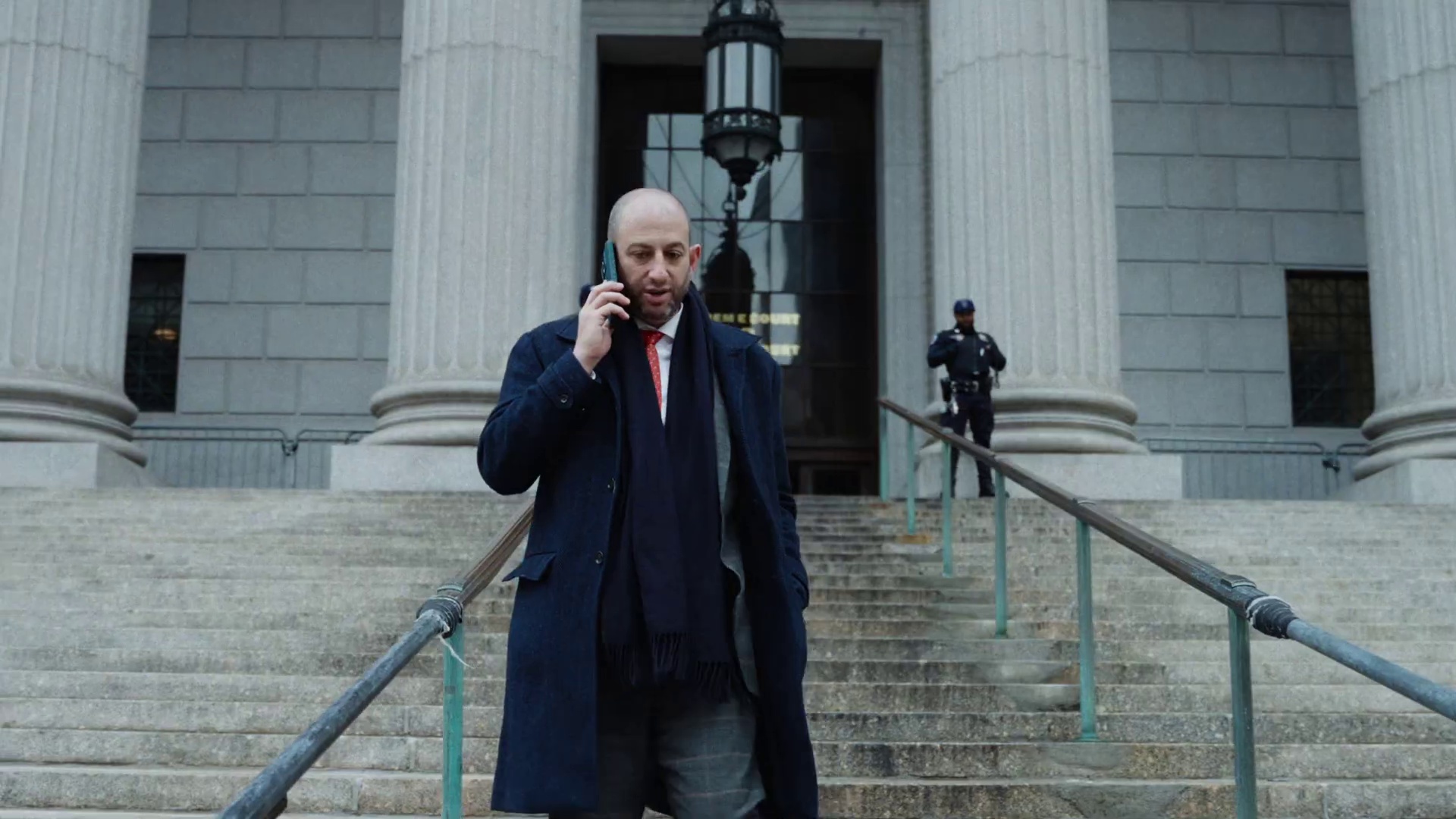
Todd Spodek
Lead Attorney & Founder
Featured on Netflix's "Inventing Anna," Todd Spodek brings decades of high-stakes criminal defense experience. His aggressive approach has secured dismissals and acquittals in cases others deemed unwinnable.
Direct communication between a represented target and a federal prosecutor, outside the presence of that target’s attorney, is procedurally improper and strategically inadvisable. Anything stated in that conversation is admissible. The prosecutor is under no obligation to inform you of the investigation’s scope, the evidence assembled, or the government’s current intentions. You are.
Waiting
Pre-indictment intervention requires time to work. The mechanisms available to counsel, proffer agreements, cooperation discussions, presentations to the prosecutor’s supervisors, and requests for declination, all operate within a timeline that narrows as the grand jury’s work approaches completion.
And then one day the window is not there. The consultation that was available on the day the letter arrived has a different character six months later, when the indictment is already drafted and the question is no longer whether charges will be filed but how to defend against them.
The letter is the beginning of a process. It is also the best moment to begin a different one.