




4 Things the NY Attorney General’s MCA Lawsuit Means for Your Business
The billion-dollar settlement was not the end of the case. It was the prologue.
In January 2025, New York Attorney General Letitia James announced a settlement with Yellowstone Capital and its network of twenty-five affiliated companies that produced a $1.065 billion judgment, the largest single-state consumer restitution in New York's history. Over five hundred thirty-four million dollars in outstanding merchant debt was cancelled. Yellowstone and its principals, Isaac Stern and Jeffrey Reece, were permanently barred from the MCA industry. Unsatisfied judgments against merchants were ordered vacated. Liens were terminated.
The settlement resolved the claims against Yellowstone. It did not resolve the lawsuit. The action continues against Delta Bridge Funding (also operating as Cloudfund) and remaining individual defendants. The theory of the case, that MCA agreements structured as purchases of future receivables were in fact illegal high-interest loans, remains the live framework through which the court will evaluate the remaining defendants' conduct.
What does this mean if you are a business owner carrying MCA debt from a funder that is not Yellowstone?
The Legal Theory Applies Beyond Yellowstone
The Attorney General's complaint did not allege that Yellowstone was uniquely predatory. It alleged that Yellowstone's business model, which involved fixed daily debiting, rates reaching eight hundred percent annually, and contracts that labeled loans as purchases of receivables, was illegal. The model, not the company, was the target.
Every MCA funder that operates a substantially similar model is exposed to the same analysis. If your agreement prescribes fixed daily ACH withdrawals rather than percentage-based holdbacks, if the reconciliation clause exists on paper but was never honored in practice, if the funder retains full recourse through a personal guarantee that eliminates risk, the same three-factor test that dismantled Yellowstone's position applies to your contract.
The settlement did not create new law. It applied existing law to facts that the MCA industry had preferred not to test. The test is now public, the analysis is on the record, and the precedent (though technically a settlement rather than a judicial ruling) will influence every MCA dispute litigated in New York for years.
The settlement told the industry what the law always said. The industry had simply chosen not to listen.
The Delta Bridge Litigation Is Still Open
The action against Delta Bridge (Cloudfund) and individual defendants continues. This matters for two reasons.
The first is that a judicial ruling on the merits, rather than a settlement, would produce binding precedent. A settlement is persuasive but not mandatory. A court decision holding that a specific MCA structure constitutes a loan is a ruling that other courts must follow. If the Delta Bridge litigation produces such a decision, it will reshape the enforceability of MCA agreements industry-wide.
The second is that the continuing litigation signals the Attorney General's intention to pursue the theory beyond a single settlement. Yellowstone was the largest target, but it was not intended to be the last. The Attorney General's press release announcing the original lawsuit in March 2024 referenced Yellowstone's operations as representative of broader industry practices. The investigation that produced the Yellowstone complaint produced evidence and analytical frameworks applicable to other funders.
If your MCA funder operates a structure similar to Yellowstone's, the Attorney General's office has already developed the blueprint for challenging it.
Merchants with Yellowstone Debt Have Specific Remedies
If you received a merchant cash advance from Yellowstone Capital or any of its subsidiaries, the settlement provides three categories of relief.
Need Help With Your Case?
Don't face criminal charges alone. Our experienced defense attorneys are ready to fight for your rights and freedom.
- 100% Confidential
- Response Within 1 Hour
- No Obligation Consultation
Or call us directly:
(212) 300-5196The first is automatic: all outstanding MCA debt owed to Yellowstone entities has been cancelled. You do not need to submit a claim for this relief.
The second requires action: if Yellowstone filed a UCC lien against your business, you must submit a claim to have the lien terminated. The deadline for UCC lien termination claims was July 8, 2025.
The third also requires action: if Yellowstone obtained a court judgment against you that remains unsatisfied, you must submit a claim to have the judgment vacated. The deadline for judgment vacatur claims was January 9, 2026.
If you missed these deadlines, the settlement administrator (Rust Consulting) may still have options. Consult an attorney. The settlement's benefits are real, but they are not self-executing.
In March and October 2025, Rust Consulting sent notices to eligible merchants. If you did not receive a notice, check whether your MCA contract listed Yellowstone Capital, Green Capital, or any of the two dozen affiliated entities as the funder. The name at the top of your contract may differ from the legal entity behind it.
The Framework Changes How Your Funder Negotiates
Even if your funder is not Yellowstone, the settlement altered the negotiation environment. MCA funders are aware that the legal theory used to dismantle Yellowstone's portfolio can be applied to their own agreements. Funders with similar structures (fixed daily payments, illusory reconciliation, personal guarantees that eliminate risk) know they are operating within a framework that has now been publicly identified as potentially illegal.
This awareness changes behavior. Funders who were unwilling to negotiate may become willing. Funders who insisted on full payment may accept settlements. Funders who threatened litigation may reconsider whether their own agreements would survive judicial scrutiny.
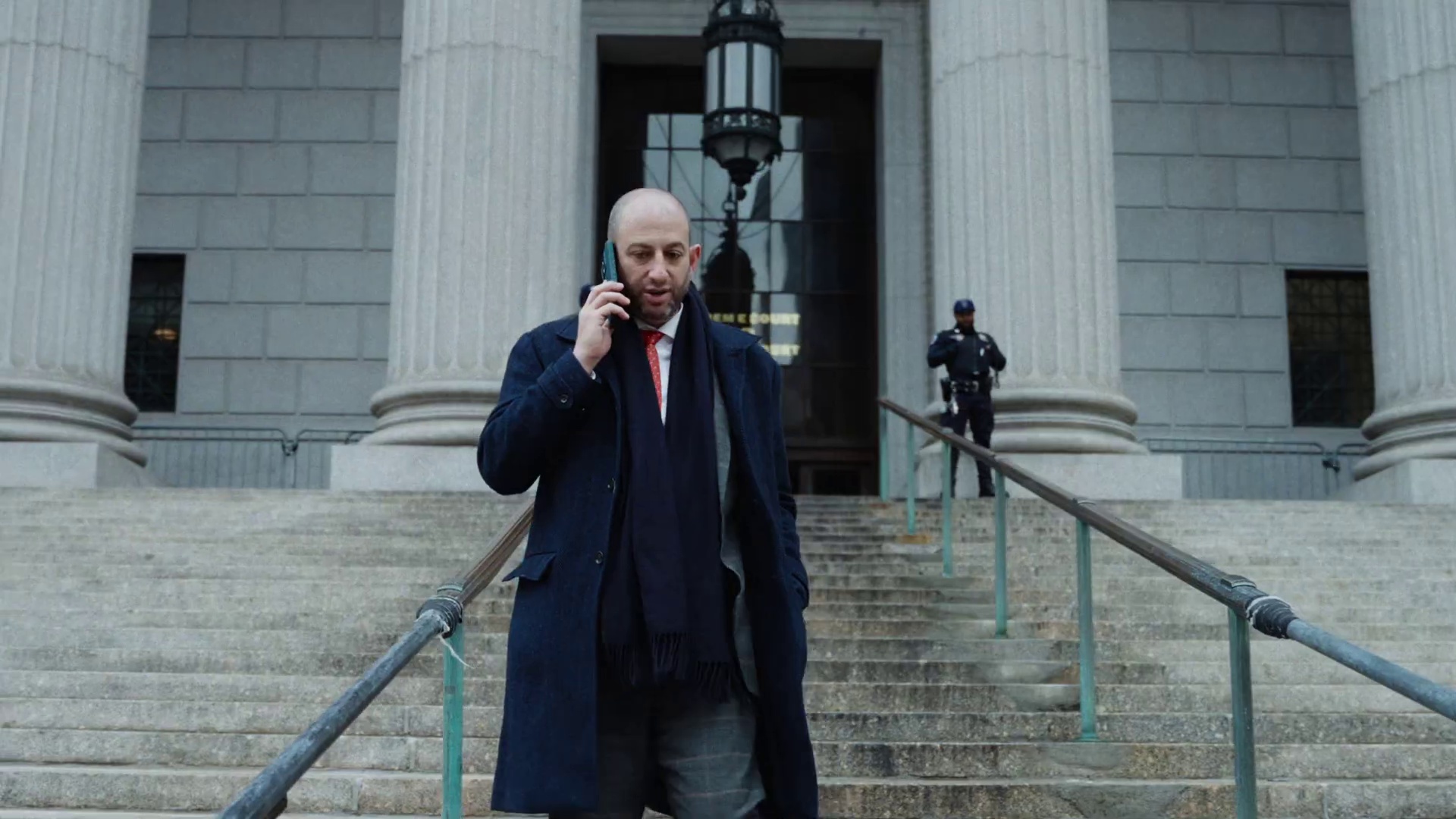
Todd Spodek
Lead Attorney & Founder
Featured on Netflix's "Inventing Anna," Todd Spodek brings decades of high-stakes criminal defense experience. His aggressive approach has secured dismissals and acquittals in cases others deemed unwinnable.
I have observed this shift in the eight months since the settlement. Funders who, in 2024, refused to engage in meaningful settlement discussions have, in 2025, agreed to resolutions at forty to sixty cents on the dollar. The Yellowstone settlement did not compel these outcomes. It created the conditions under which funders calculated that settlement was preferable to the risk of a court examining their contracts.
Not every funder has adjusted. Some continue to litigate aggressively, confident that their agreements are distinguishable from Yellowstone's. Whether that confidence is warranted depends on the specific terms of the agreement. An attorney can make that determination.
The Precedent Is Larger Than the Case
The Yellowstone settlement and the continuing Delta Bridge litigation are part of a broader pattern. State attorneys general are paying attention to the MCA industry. New York led, but California's implementation of the Rosenthal Fair Debt Collection Practices Act amendments (effective January 2025) extended certain consumer protection principles to commercial transactions. Other states are considering disclosure requirements specifically targeting MCA funders.
The industry that built itself on the premise of regulatory exemption is discovering that the exemption was conditional, contingent on the agreements actually functioning as purchases of receivables rather than loans. When they do not, the full weight of lending regulation applies, retroactively and without sympathy.
For business owners carrying MCA debt, this is not merely an interesting legal development. It is a material change in the strength of your position. The agreements you signed may be weaker than the funders who drafted them believe. The defenses available to you may be stronger than you have been told.
The assessment of your specific agreements, in light of the evolving legal environment, is a conversation that begins with a single call. The call is free. What follows from it may alter the terms of every obligation you carry.