





4 Reasons Your Second MCA Made Everything Worse (And What to Do Now)
The second advance was supposed to stabilize the first. It did the opposite, and it did so by design.
The second MCA entered your financial structure at a moment of vulnerability. The first advance was consuming more cash flow than anticipated. Revenue had declined, or the factor rate was higher than the broker described, or the daily withdrawal simply proved unsustainable against the realities of operating the business. The second advance addressed the symptom (insufficient cash) without addressing the cause (an obligation that exceeded capacity). And it added a second daily withdrawal to an account that was already failing to support the first.
The Second Factor Rate Was Higher
The second funder priced the advance for a borrower carrying existing MCA debt, which is a borrower at elevated risk. The factor rate on the second advance was higher than the first, reflecting that risk. If the first advance carried a 1.35 factor rate and the second carried a 1.45, the cost of capital increased by approximately seven percentage points on the new principal. The total repayment obligation grew faster than the available revenue.
The Combined Daily Withdrawal Exceeded the Sustainable Threshold
A single MCA withdrawal at twelve percent of daily revenue is manageable. Two withdrawals totaling twenty-two percent are not. The threshold between manageable and unsustainable is not theoretical. It is the point at which the business can no longer pay operating expenses after the withdrawals clear.
You crossed that threshold the day the second advance funded. The business has been operating in deficit since.
The Second Advance Paid Off Part of the First
In many cases, a portion of the second advance was used to satisfy the remaining balance on the first (or to bring the first current after missed payments). This means you received less usable capital than the face amount of the second advance, while incurring the full factor-rate obligation on the entire amount.
Need Help With Your Case?
Don't face criminal charges alone. Our experienced defense attorneys are ready to fight for your rights and freedom.
- 100% Confidential
- Response Within 1 Hour
- No Obligation Consultation
Or call us directly:
(212) 300-5196You borrowed $60,000. You received $25,000. You owe $87,000.
The arithmetic is the argument. The second advance did not provide $60,000 in working capital. It provided $25,000, at a cost that will compound until the obligation is resolved or the business cannot continue.
The First Agreement's Legal Defenses Were Extinguished
If the first MCA contained an illusory reconciliation clause, a defective confession of judgment, or a structure supporting a usury challenge, those defenses existed as long as the agreement was active. When the second advance paid off the first, the first agreement was satisfied. Its defenses died with it.
The second agreement, drafted by attorneys aware of the first agreement's vulnerabilities, was designed to withstand the challenges that would have succeeded against its predecessor. You traded a weak contract for a strong one and paid for the privilege.
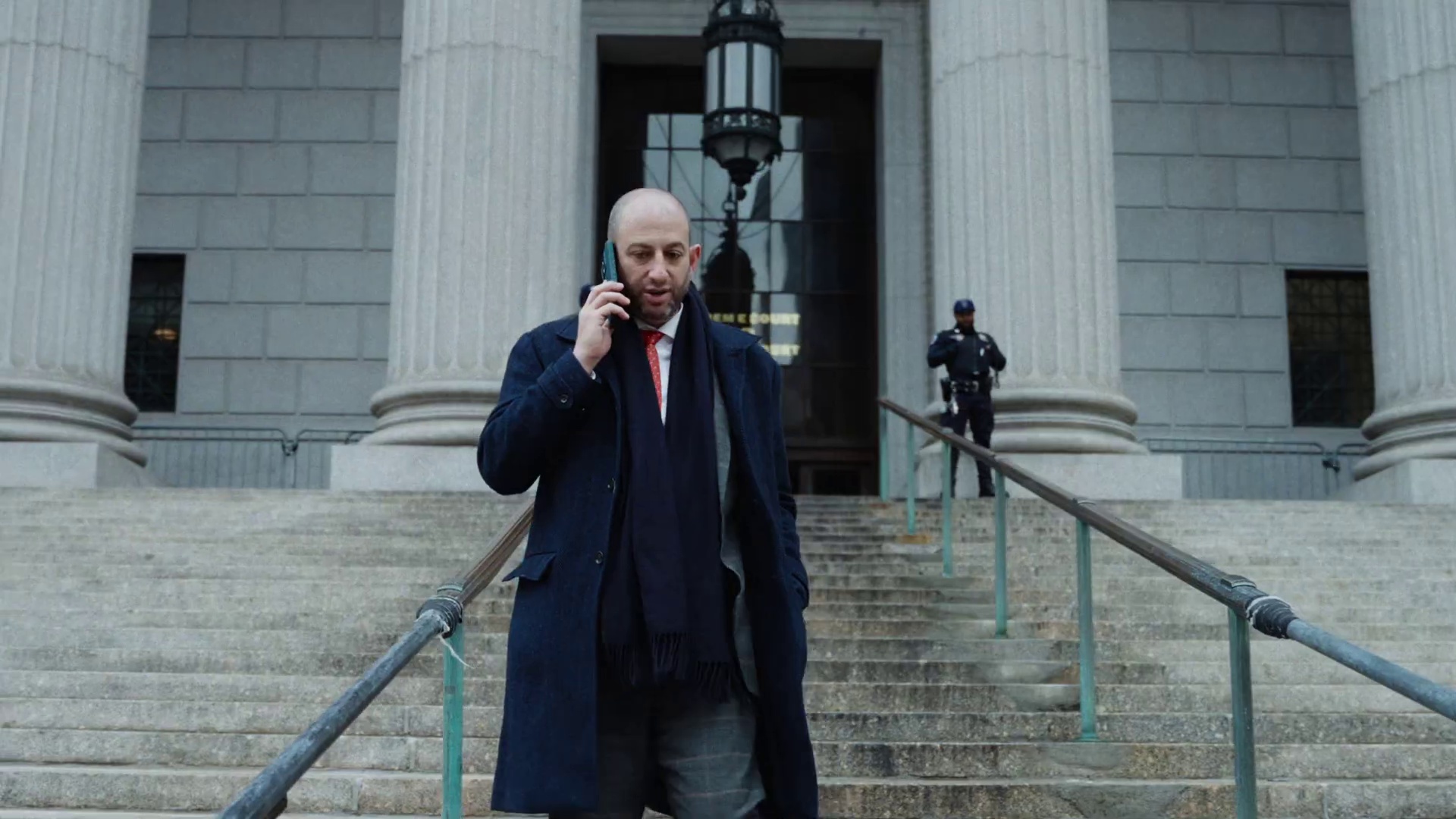
Todd Spodek
Lead Attorney & Founder
Featured on Netflix's "Inventing Anna," Todd Spodek brings decades of high-stakes criminal defense experience. His aggressive approach has secured dismissals and acquittals in cases others deemed unwinnable.
What to Do Now
The second agreement is the agreement you carry. It must be evaluated on its own terms: Does its reconciliation clause function? Was its confession of judgment properly executed? Does its payment structure support reclassification as a loan?
An attorney can determine whether the second agreement is enforceable, whether the total obligation can be settled at a reduced amount, and whether the combination of two advances (one retired, one active) supports a broader pattern-of-conduct challenge against the funder or broker who facilitated the stacking.
The second advance made everything worse. The question is whether the current agreement can be challenged, settled, or restructured. That question is answered in a consultation.