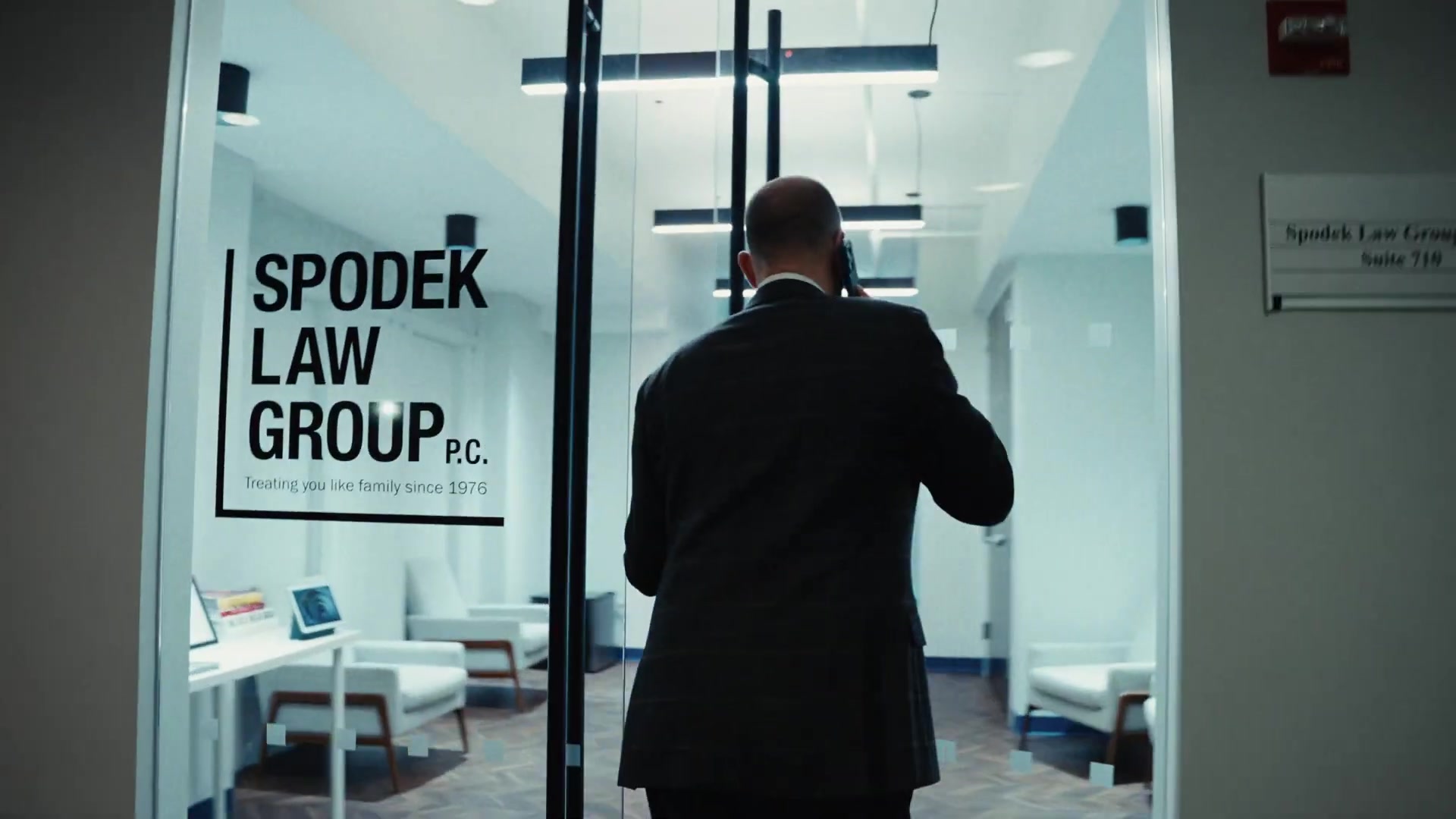
Wire Fraud Defense
Defending clients against federal wire fraud charges under 18 U.S.C. Section 1343.
Understanding Wire Fraud Defense
Wire fraud under 18 U.S.C. Section 1343 is one of the most frequently charged federal crimes. Federal prosecutors favor wire fraud charges because the statute is broad enough to encompass virtually any scheme to defraud that involves electronic communications, including phone calls, emails, text messages, and internet transactions. A single email or phone call is sufficient to satisfy the wire communication element.
Our Firm in the Media
Our attorneys have been featured across national media for their work defending high-profile wire fraud and white collar cases. Todd Spodek was featured in the Netflix series “Inventing Anna” — a case involving wire fraud charges against Anna Delvey/Sorokin. Our team has provided expert legal commentary on wire fraud prosecutions for CBS News, Fox News, CNN, and ABC News.
Watch: Federal Wire Fraud Defense Explained
Notable Wire Fraud Cases We Have Handled
Elements of Wire Fraud
To secure a wire fraud conviction, the government must prove three elements beyond a reasonable doubt: (1) the defendant knowingly devised or participated in a scheme to defraud; (2) the defendant acted with intent to defraud; and (3) the defendant used or caused the use of interstate wire communications in furtherance of the scheme. The breadth of these elements gives prosecutors significant flexibility in charging decisions.
Sentencing Exposure
Wire fraud carries a maximum sentence of 20 years in prison per count. If the fraud involves a financial institution or is connected to a presidentially declared disaster, the maximum increases to 30 years per count with fines up to $1 million. Because each use of wire communications can constitute a separate count, defendants often face multiple counts and the potential for consecutive sentences.
Why Choose Our Firm for Wire Fraud Defense
- Netflix-Featured Attorneys — Our lead attorney was featured in “Inventing Anna” for his defense work on a case involving wire fraud
- National Media Recognition — Regularly consulted as legal experts by CNN, Fox News, CBS, and major publications
- Proven Track Record — Exposed to 1,000+ federal cases with documented results including dismissals, acquittals, and dramatically reduced sentences
- Former Prosecutors on Team — Our of-counsel attorney Chad Lewin brings the prosecution perspective, having served as an ADA
- 24/7 Availability — Federal investigations don’t wait, and neither do we
Building an Effective Defense
Defending against wire fraud charges requires a meticulous analysis of the government’s evidence and theory. The intent element is frequently the most contested issue. Our attorneys work to demonstrate that our clients acted in good faith, lacked knowledge of any fraudulent scheme, or that the alleged misrepresentations were not material. We also challenge the government’s loss calculations, which directly impact sentencing exposure.
If you are under investigation for or have been charged with wire fraud, time is of the essence. The earlier you engage experienced federal defense counsel, the more options are available to protect your rights and your future. Our firm has successfully defended clients against wire fraud charges in cases ranging from business disputes to complex multi-defendant schemes.
Potential Penalties
| Offense Level | Penalties |
|---|---|
| Wire Fraud (Standard) | Up to 20 years imprisonment per count, $250,000 fine |
| Wire Fraud (Financial Institution) | Up to 30 years imprisonment per count, $1 million fine |
| Wire Fraud Conspiracy | Up to 20 years imprisonment |
| Loss Enhancement (over $1.5M) | Significant increase under Federal Sentencing Guidelines |
Defense Strategies We Use
The Federal Criminal Process
Understanding what happens next is critical. Here is a step-by-step overview of the federal criminal process — and where an experienced attorney can make the biggest impact.
Investigation
Federal agencies (FBI, DEA, IRS) build a case. You may not know you're under investigation. Early attorney involvement can make a critical difference.
Grand Jury
A federal grand jury reviews evidence and decides whether to issue an indictment. This happens in secret — you won't be present.
Indictment
Formal charges are filed. The indictment outlines each count and the statutory penalties you face.
Arraignment
Your first court appearance. You enter a plea (typically not guilty), and bail conditions are set.
Discovery
Both sides exchange evidence. Your defense team reviews thousands of pages of government documents, wiretaps, and financial records.
Pre-Trial Motions
Critical phase where your attorneys file motions to suppress evidence, dismiss charges, or compel disclosure.
Plea Negotiations
Most federal cases resolve through plea agreements. Your attorney negotiates for reduced charges or sentencing concessions.
Trial
If no plea is reached, the case goes before a jury. Federal trials are typically shorter but more intense than state trials.
Sentencing
The judge considers the Federal Sentencing Guidelines, your criminal history, and mitigating factors to determine your sentence.
Appeal
If convicted, you have the right to appeal to the Circuit Court. Appeals focus on legal errors, not factual disputes.
Frequently Asked Questions
Todd Spodek in the Media
Watch our managing partner discuss criminal defense strategy on major news networks.
Sentencing Calculators for Wire Fraud Defense
Recent Articles: Wire Fraud Defense

Fighting Wire Fraud Defense Charges?
Don't face these serious charges alone. Our experienced attorneys are available 24/7 to discuss your case.
