Insurance Fraud Defense
Defense against federal insurance fraud charges and related conspiracy allegations.
Understanding Insurance Fraud Defense
Federal insurance fraud under 18 U.S.C. Section 1033 and related statutes is a serious criminal offense that can result in significant prison time, fines, and permanent professional consequences. Federal jurisdiction over insurance fraud typically arises when the scheme involves interstate commerce, federal programs, or the use of mail or wire communications. The FBI, the Department of Labor, and various Offices of Inspector General investigate these cases.
Types of Federal Insurance Fraud
Federal insurance fraud charges can involve a wide range of schemes, including staging accidents or injuries to collect insurance proceeds, inflating or fabricating insurance claims, healthcare insurance billing fraud, workers’ compensation fraud involving federal employees, crop insurance fraud, flood insurance fraud, and schemes involving life insurance or annuities. Federal prosecutors also target insurance industry professionals who engage in premium diversion, unauthorized insurance sales, and fraudulent reinsurance schemes.
Investigation and Prosecution
Federal insurance fraud investigations are often initiated by the insurance companies themselves, through their Special Investigations Units (SIUs), or by state insurance fraud bureaus that refer cases to federal authorities. The FBI and other agencies use surveillance, financial analysis, medical record reviews, and cooperating witnesses to build cases. Many investigations involve multiple defendants and complex schemes that span months or years. Prosecutors frequently charge insurance fraud alongside mail fraud, wire fraud, and conspiracy, significantly increasing sentencing exposure.
Defending Insurance Fraud Cases
Effective defense against insurance fraud charges involves challenging the government’s evidence of fraudulent intent, demonstrating that claims were legitimate, disputing the characterization of business practices as fraudulent, and attacking the credibility of cooperating witnesses. Our attorneys retain industry experts, medical professionals, and forensic accountants to support the defense. We also explore whether the conduct at issue is more properly addressed through civil litigation or administrative proceedings rather than criminal prosecution.
A federal insurance fraud conviction can end careers, particularly for licensed professionals in the insurance, medical, and legal fields. Our firm provides the aggressive defense needed to protect your freedom and livelihood.
Potential Penalties
| Offense Level | Penalties |
|---|---|
| Insurance Fraud (18 USC 1033) | Up to 10 years imprisonment per count |
| Wire/Mail Fraud (Insurance-related) | Up to 20 years imprisonment per count |
| Conspiracy to Commit Insurance Fraud | Up to 5 years imprisonment |
| Aggravated Identity Theft | 2-year mandatory minimum, consecutive |
Defense Strategies We Use
The Federal Criminal Process
Understanding what happens next is critical. Here is a step-by-step overview of the federal criminal process — and where an experienced attorney can make the biggest impact.
Investigation
Federal agencies (FBI, DEA, IRS) build a case. You may not know you're under investigation. Early attorney involvement can make a critical difference.
Grand Jury
A federal grand jury reviews evidence and decides whether to issue an indictment. This happens in secret — you won't be present.
Indictment
Formal charges are filed. The indictment outlines each count and the statutory penalties you face.
Arraignment
Your first court appearance. You enter a plea (typically not guilty), and bail conditions are set.
Discovery
Both sides exchange evidence. Your defense team reviews thousands of pages of government documents, wiretaps, and financial records.
Pre-Trial Motions
Critical phase where your attorneys file motions to suppress evidence, dismiss charges, or compel disclosure.
Plea Negotiations
Most federal cases resolve through plea agreements. Your attorney negotiates for reduced charges or sentencing concessions.
Trial
If no plea is reached, the case goes before a jury. Federal trials are typically shorter but more intense than state trials.
Sentencing
The judge considers the Federal Sentencing Guidelines, your criminal history, and mitigating factors to determine your sentence.
Appeal
If convicted, you have the right to appeal to the Circuit Court. Appeals focus on legal errors, not factual disputes.
Frequently Asked Questions
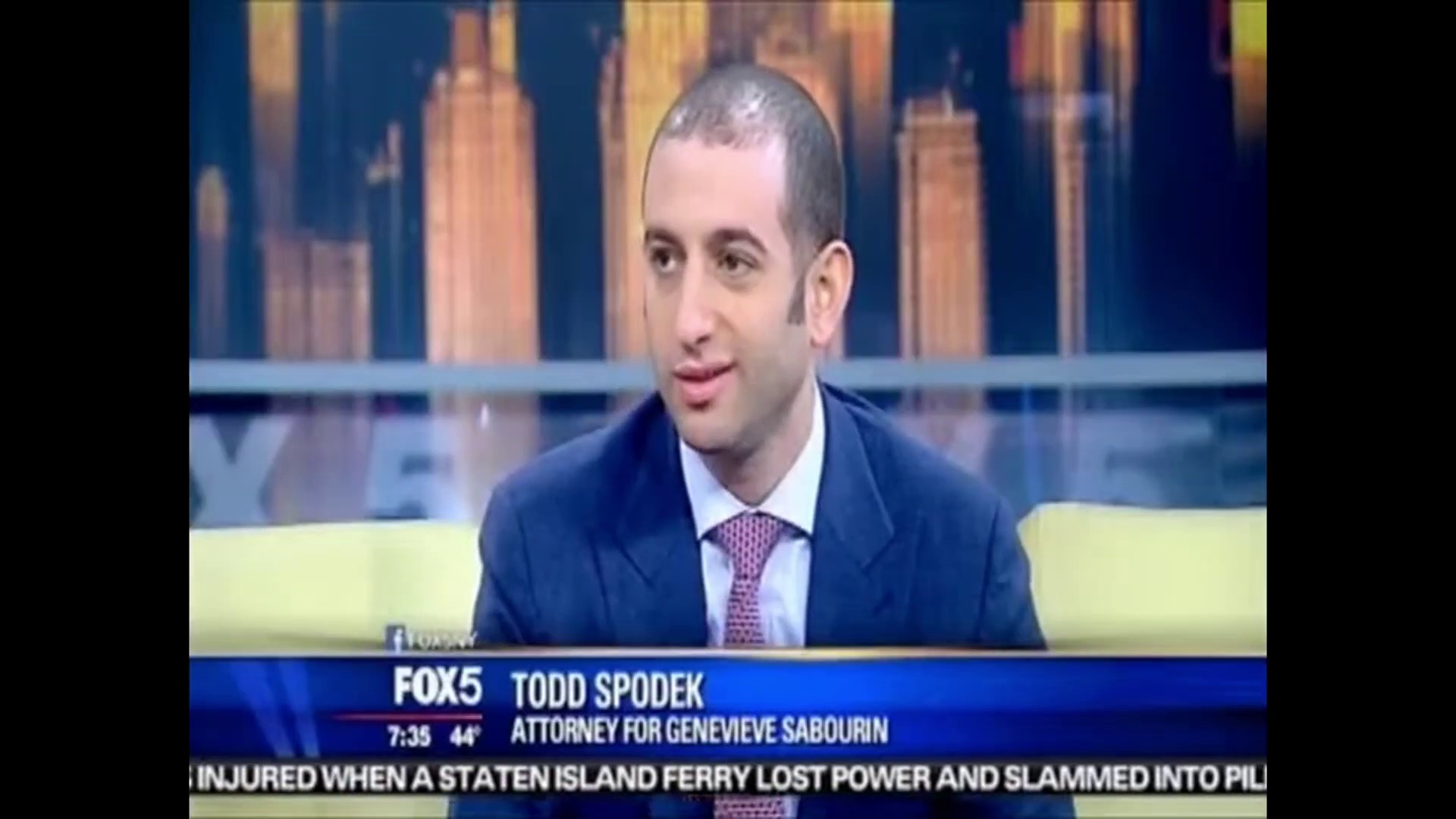
Todd Spodek in the Media
Watch our managing partner discuss criminal defense strategy on major news networks.
Sentencing Calculators for Insurance Fraud Defense
Recent Articles: Insurance Fraud Defense

Fighting Insurance Fraud Defense Charges?
Don't face these serious charges alone. Our experienced attorneys are available 24/7 to discuss your case.
